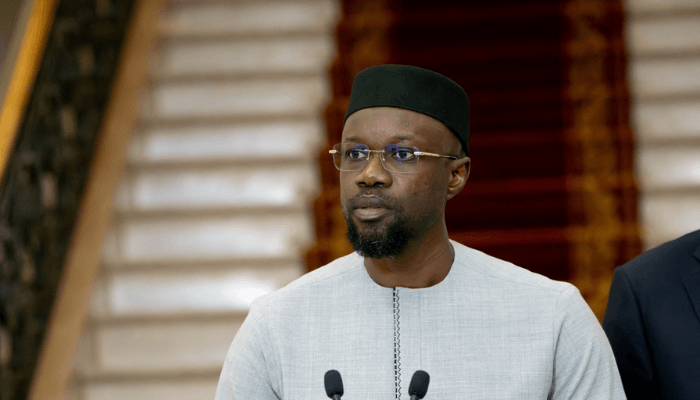
Bassirou Diomaye Faye, Senegalese president has appointed veteran economist Ahmadou Al Aminou Lo as the country’s new prime minister, in a major political reshuffle aimed at restoring confidence in an economy under mounting pressure.
- +Senegal turns to veteran economist as new prime minister amid debt crisis
The appointment comes just days after Faye dissolved the previous government, a move that has intensified attention on the direction of Senegal’s leadership at a time of growing fiscal strain and uncertainty over the country’s economic future.
The appointment comes just days after Faye dissolved the previous government, a move that has intensified attention on the direction of Senegal’s leadership at a time of growing fiscal strain and uncertainty over the country’s economic future.
Lo, a respected figure within West Africa’s financial system, previously served in senior positions at the Central Bank of West African States, including as head of its Senegal branch. His arrival at the top of government is being seen by analysts as a signal that Dakar wants to place greater emphasis on economic management and financial credibility.
Speaking shortly after his appointment, Lo acknowledged the scale of the challenges facing the country and sought to reassure both local businesses and international investors.
“Senegal remains committed to preserving confidence in its economy despite current fiscal pressures,” he said, adding that the government would continue pursuing reforms aimed at long term stability and growth.
The leadership change follows the departure of former prime minister Ousmane Sonko after months of reported political tensions within the administration. Although removed from government, Sonko remains one of Senegal’s most influential political figures through the ruling Pastef party, which continues to command strong support in parliament.
Political observers are now watching closely for Sonko’s next move amid speculation that he could return to the National Assembly in a more prominent role following recent shifts within the legislature.
Lo sought to calm concerns that his appointment signalled a break from the government’s broader political agenda. “This should not be interpreted as a change in direction,” he said. “The commitment to national transformation and reform remains intact.”
Senegal is facing one of its most serious financial crises in recent years after the International Monetary Fund suspended a $1.8 billion lending programme following the discovery of previously undisclosed debt obligations.
The revised figures pushed the country’s debt burden to around 132 percent of gross domestic product by the end of 2024, raising fresh concerns among investors and international lenders about the sustainability of Senegal’s public finances.
The fallout has complicated negotiations with international partners and increased pressure on the new administration to restore transparency, improve fiscal discipline and revive confidence in one of West Africa’s largest economies.
Sonko had previously resisted discussions around debt restructuring, arguing that some proposed measures risked undermining Senegal’s economic sovereignty.
Analysts say Lo’s appointment may help steady relations with financial institutions and reassure investors seeking clearer signals from Dakar on how the government plans to address the crisis.
For many Senegalese, however, the immediate concern remains whether the new leadership team can stabilise the economy, contain rising pressure on public finances and deliver on promises of reform made after Faye’s historic election victory.