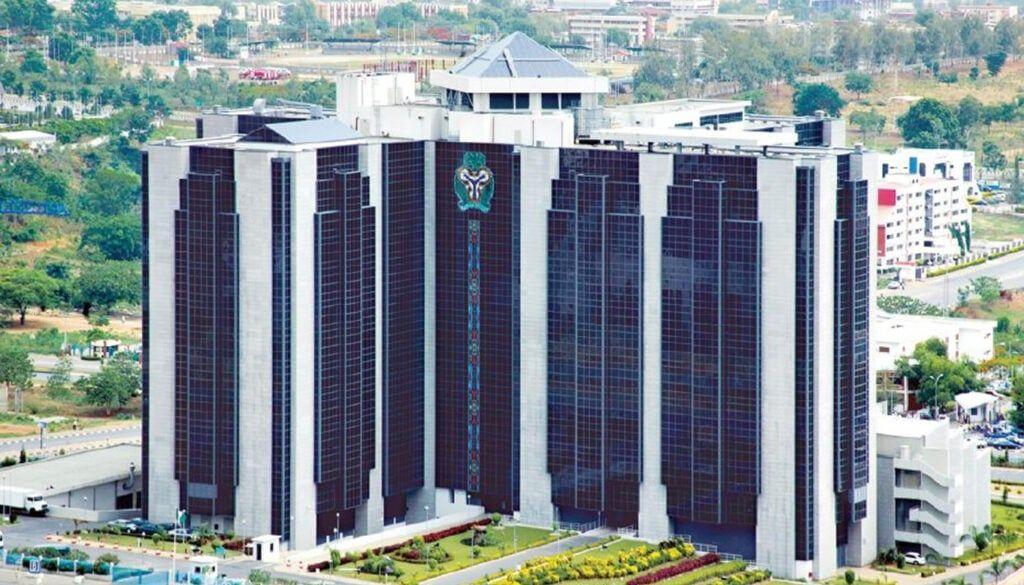
There is a notable structural shift in the Nigerian banking sector as the industry is characterized as highly capitalized but has to navigate a dynamic macroeconomic and regulatory climate, particularly after the Central Bank of Nigeria (CBN) has carried out a vigorous 24-month recapitalization exercise that spanned requirements of N500 billion for international licenses and N200 billion for national licenses.
- +Nigeria’s banks get major makeover under CBN
Recent capital raises have enabled top-tier banks to have large liquidity buffers, and several Nigerian banks have a Capital Adequacy Ratio (CAR) of more than 20 percent.
Recent capital raises have enabled top-tier banks to have large liquidity buffers, and several Nigerian banks have a Capital Adequacy Ratio (CAR) of more than 20 percent.
These banks can expand more cross-border banking within the continent to participate in more intra-regional trade of the AfCFTA (African Continental Free Trade area), and to accelerate nominal loan growth, which is projected to cross 20 percent this year by rating agencies.
Banks with lower capital adequacy ratios are subject to “enhanced supervisory scrutiny” and are given graduate limits in specific industries, particularly power and telecom.
The CBN stopped the COVID-related forbearance in June of last year. This ended Nigerian banks’ ability to keep the high levels of oil and gas loans due to the issue of forbearance.
This meant oil and gas loans were labelled with Stage 2 and not Stage 3, which kept the Total NPL (non-performing loan) ratio low and deceptive.
Break of forbearance created an estimated rise in NPL ratio in the banking industry of 4.9% to 7% in the period of the fiscal year 2025. fluctuations will be in the 6-7% if prices for oil stay within the range of $70/barrel
The CBN closed the forbearance with an offering of a ‘strategic reset’ framework. Until banks were able to restore both their capital levels and provisioning, there was a forbearance in which banks were not allowed to pay directors’ bonuses or dividends.
Waivers that allowed banks to lend high amounts of money to an oil major, often more than regulatory limits, were also removed by June 2025.
Additionally, the CBN is enforcing a policy of no capital and no funding. Banks are not allowed to pay dividends until they have demonstrated sustainable, core operational liquidity. This prohibition applies to banks that relied on accounting schemes or planned “paper gains” through changes in foreign exchange rates to hit capital.
The CBN made Nigeria’s major banks maintain a paid-up capital of N500 billion (International) or N200 billion (National). Banks will be able to set aside a significant amount of money to protect them from losing money, known as an impairment charge.
The trade-off for this is fewer net income/assets, although banks have raised a tremendous amount of money (over N2.3 trillion), which reduces the bank’s income from lending. As the trade-off continues, the bank’s net profitability will also decline.
Nigerian Banks are now subjected to severe stress tests, such as simulating a 100% default rate on insider and director-related loans. Furthermore, the CBN’s extraordinarily high Cash Reserve Ratio (CRR), at 45 percent of naira deposits, continues to limit deployable liquidity and impede overall credit growth significantly.
The Nigerian sector seems more transparent now that hidden risks in oil and gas portfolios are finally being booked. The 2026 balance sheets appear “messier” than those from 2024, but they are significantly more honest and backed by a much larger capital base.
Nigerian banks are driving a historic bull run on the Nigerian Exchange. The 2026 rally is the first driven almost entirely by domestic retail investors, comprising about 73% of trades via a new investment platform developed for bank public offers.
The sector has the largest trading volume in the entire stock market with a bullish outlook but has also had extreme volatility as seen in recent price action in late April as investors rotated capital from banks to the industrial and oil sector.