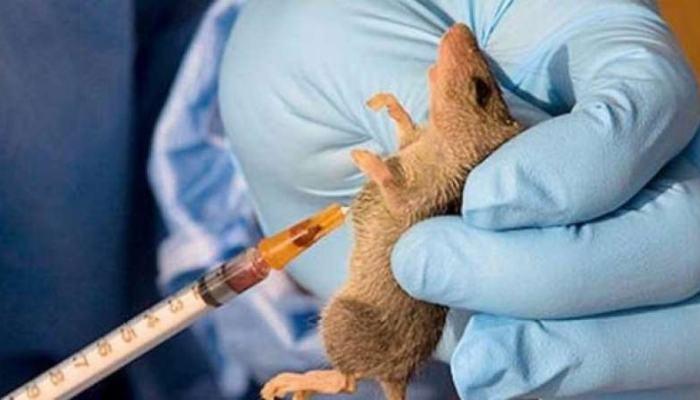
Lassa fever is an acute viral disease endemic in parts of West Africa, transmitted primarily through contact with food or household items contaminated by urine or faeces of infected rodents, particularly the multimammate rat.
- +Lassa fever prevalent in North-Central, kills 14, infects 63
- +…Frontline workers heavily impacted
The disease often begins like common illnesses—fever, weakness, and headache—but can rapidly progress to severe complications including bleeding, respiratory distress, organ failure, and, in fatal cases, death.
…Frontline workers heavily impacted
The disease often begins like common illnesses—fever, weakness, and headache—but can rapidly progress to severe complications including bleeding, respiratory distress, organ failure, and, in fatal cases, death.
Its impact goes beyond physical symptoms, placing immense pressure on already stretched healthcare systems and exposing frontline workers to significant risk. Infected individuals may require isolation and intensive care, while outbreaks often trigger fear, disrupt livelihoods, and strain public health responses, especially in vulnerable communities with limited resources.
It is against this backdrop that Nigeria’s North Central, like some other Northern geopolitical zones, especially Taraba State, is currently confronting a worrying surge, as cases emerge across Plateau, Benue and Kwara States, raising fresh concerns about containment and preparedness.
From December 2025 to March 2026, the outbreak pattern across the North Central region has shown a steady spread, with cases emerging intermittently in Plateau and Benue States while Kwara State continues intensive preventive surveillance to avoid any confirmed infection.
The Plateau State Government in February confirmed an outbreak of Lassa fever, with 11 positive cases and four deaths recorded across seven Local Government Areas since December 2025.
Nicholas Baamlong, Commissioner for Health, disclosed this recently in Jos, where he provided an update on the situation and the State’s response measures.
According to him, the outbreak was first detected on December 20, 2025, following a reported case from Quanpan Local Government Area, which prompted the immediate activation of the State’s Incident Management Team.
“We were first alerted on December 20, 2025, after a case was reported from Quanpan Local Government Area, and we immediately activated our incident management team,” Baamlong said.
He explained that initial investigations confirmed two cases, leading to extensive contact tracing and surveillance across affected communities.
The commissioner said the State had recorded a total of 28 suspected cases so far, with 11 confirmed positive for Lassa fever.
Baamlong disclosed that four deaths had been recorded as a result of the outbreak, including the death of a health worker.
“Sadly, we have recorded four deaths — two at the Jos University Teaching Hospital (JUTH), one at the Plateau Specialist Hospital, and one at the Bingham University Teaching Hospital. One of the deaths is a medical practitioner who attended to an infected patient. As of today, another medical doctor is also on admission and receiving treatment,” he said.
The affected local government areas include Quanpan, Shendam, Wase, Langtang South, Jos North, Jos South, and Mangu.
The commissioner said the State Government had intensified active case searches and deployed rapid response teams to affected areas to contain the spread of the disease.
“We are continuing active case search through surveillance and deploying our rapid response teams to affected communities,” he said.
Baamlong stressed that public health enlightenment remains critical in curbing the transmission of Lassa fever, noting that awareness campaigns are being intensified across the State.
“We are commencing active public health enlightenment, which is very key in addressing and suppressing the transmission of this disease,” he said.
He also assured residents of the availability of treatment and protective materials, stating that essential drugs and personal protective equipment have been distributed to health facilities.
“The drugs required for treatment, including personal protective equipment, are available at the Jos University Teaching Hospital and the Plateau Specialist Hospital,” Baamlong said.
The commissioner urged residents to adhere strictly to preventive measures and to seek immediate medical attention if they experience symptoms associated with Lassa fever, stressing that collective responsibility is vital to containing the outbreak.
In Benue State, the Ministry of Health and Human Services disclosed that the State had recorded 10 deaths out of the 52 Lassa Fever laboratory-confirmed Cases giving a Case Fatality Rate (CFR) of 19% from the 315 suspected cases.
Paul Ogwuche the Commissioner for Health and Human Services, who disclosed this while giving an update of Lassa Fever in the State lamented that 14 out of the 52 confirmed cases, are medical personnel.
According to Ogwuche, “as of March 2026, the State has recorded a total number of 315 suspected cases, out of which 52 have been laboratory-confirmed. Sadly, we have recorded 10 deaths among the confirmed cases, giving a Case Fatality Rate (CFR) of 19%.”
The commissioner, who expressed worries over the disease surge and spread among health workers explained that out of the 10 deaths recorded, Two are medical personnel adding that “we are encouraged by the significant reduction in the Case Fatality Rate from 37% to 19% during the same period.
He said, “This improvement is a strong indication that our public health response measures, including early detection, prompt treatment, and improved clinical management, are beginning to yield positive outcomes”.
The commissioner however said, a major concern about the outbreak is the high number of infections among healthcare workers, saying, so far, the state has recorded 14 infections among health personnel, which icludes six medical doctors one pharmacist, four nurses, two community health extension workers, one hospital porter. Unfortunately, we lost two of the healthcare workers.
The commissioner highlighted the occupational risk faced by frontline workers which he said reinforced the need for strict adherence to infection prevention and control measures in all health facilities.
He added that the confirmed cases had been reported across four Local Government areas including Makurdi, Guma, Buruku, and Okpokwu.
“In response to the rising numbers of Lassa Fever cases, the State Public Health Emergency Operations Centre (PHEOC) has expanded its field response teams to intensify active case search, contact tracing, risk communication, community engagement, and public sensitisation.
“These measures are critical in breaking the chain of transmission and preventing further spread within communities. We have also strengthened collaboration with our technical and development partners to ensure a more effective response.