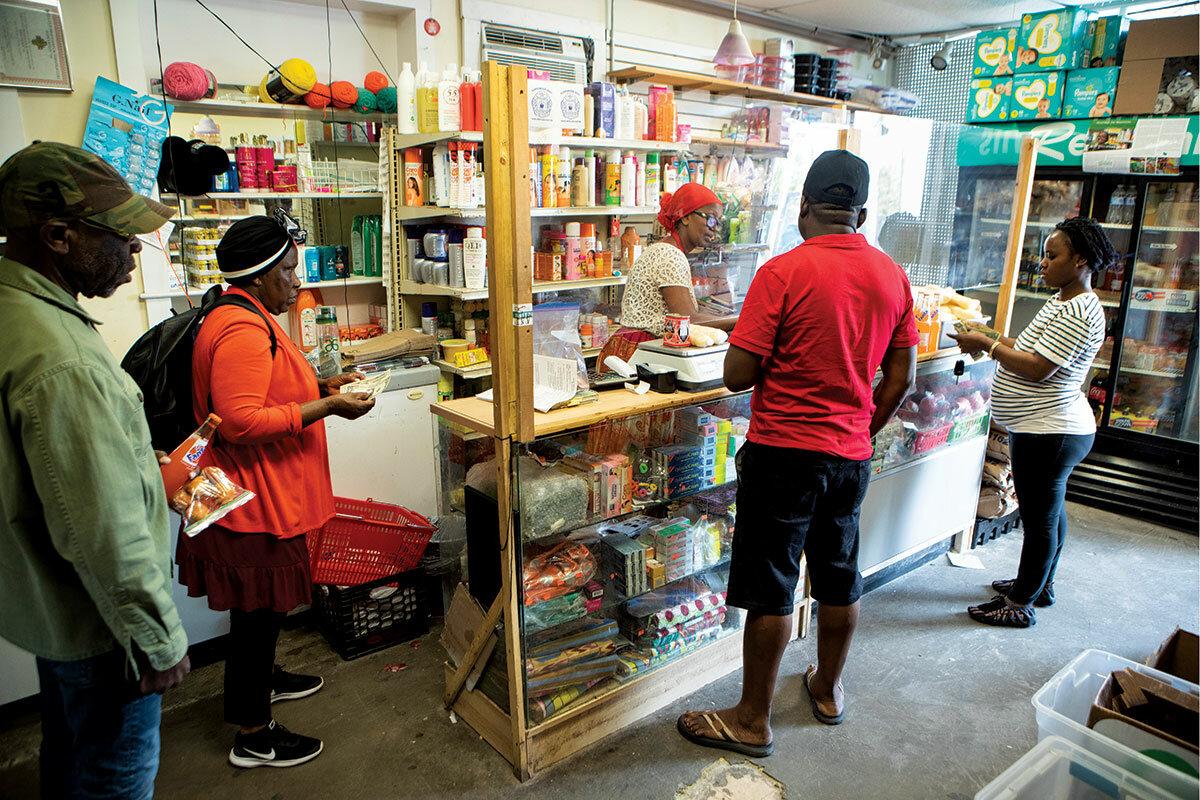
When foreign-owned spaza shops, South Africa’s township convenience stores, shut their doors after weeks of anti-immigrant protests, many township residents expected little more than a change in ownership. Instead, they found themselves paying more for everyday essentials.
- +After foreigners leave, South Africa’s convenience stores face a tech test
The scale of the disruption is becoming clearer.
The scale of the disruption is becoming clearer. While there is no official tally of closures, the Africa Diaspora Forum (ADF), a migrant advocacy group, says hundreds of foreign-owned spaza shops have shut across KwaZulu-Natal, Gauteng and the Western Cape provinces in recent weeks.
“We don’t have a complete audit, but the number is in the hundreds,” ADF chairperson Amir Sheikh told TechCabal in an interview on Thursday. “Most of our members operate in the fast-moving consumer goods sector, selling everyday essentials like bread, sugar and other basic groceries. Those are the products where we have seen the sharpest increases.”
Bread, he said, has risen from about R16 ($0.95) to as much as R30 ($1.79) in some communities. “The concern from residents is becoming louder because higher prices are directly affecting household budgets,” said Sheikh.
The price increases have fuelled heated debate on social media, where videos of foreign shopkeepers leaving township businesses have gone viral. While some South Africans have welcomed the return of locally owned businesses, others question whether township consumers can afford the higher prices that have followed. The issue has also dominated radio phone-ins. East Coast Radio reported sharp divisions among listeners over whether supporting local ownership should come at the expense of affordability.
Those frustrations spilled into a KZN Spaza Shop Roundtable on Tuesday, where local shop owners appealed to the government for urgent support. Many said that although they welcomed efforts to grow South African-owned businesses, they struggled to match the buying power, supplier networks and operating efficiencies that had helped many foreign-owned retailers keep prices low.
Yet beneath the political debate lies a much larger business story.
The next battle for South Africa’s estimated R900 billion ($53.6 billion) township economy may not be over nationality at all. Government officials and fintech companies have shared with TechCabal that digital payments, merchant data, embedded finance and smarter supply chains, not ownership alone, will determine whether local spaza shops can remain competitive while keeping prices affordable.
That belief lies at the heart of the Department of Small Business Development’s strategy to modernise township retail.
For Minister Stella Ndabeni-Abrahams, the recent disruptions have reinforced the need to help South African-owned spaza shops overcome structural barriers that have long undermined their competitiveness.
“Spaza shops are vital contributors to township and rural economies,” Ndabeni-Abrahams told TechCabal in an interview on Monday. “They provide communities with access to essential goods, create employment opportunities and support local economic activity.”
Despite their importance, many South African-owned spaza shops continue to face limited access to finance, high operating costs, weak bulk-buying power, low levels of digital adoption and intense competition, she said.
To tackle those challenges, the government launched the R500 million ($29.80 million) Spaza Shop Support Fund in March 2025. Unlike earlier support programmes, the initiative combines funding with digital infrastructure, including point-of-sale (POS) systems, inventory management software, digital payments, compliance support and business development services.
“The Department has approved the Small Business Portfolio Digital Transformation Strategy,” said Ndabeni-Abrahams. “The strategy sets out a range of digital interventions aimed at addressing the structural barriers faced by spaza shops and other micro, small and medium enterprises.”
Among its flagship initiatives is a National Micro, Small and Medium Enterprise (MSME) Service Portal, designed to give entrepreneurs access to funding opportunities, business support programmes and government services through a single platform.
The government also plans to roll out an Integrated Payment Gateway for electronic payments and a national Application Programming Interface (API) Gateway linking banks, fintech and public systems to improve access to finance and digital services.
“Through these initiatives, government seeks to build a more competitive, inclusive, digitally enabled and sustainable spaza shop sector by improving access to finance, supporting the adoption of digital payments, strengthening integration into broader business ecosystems and value chains, and contributing to township economic growth, job creation and broader economic transformation,” she stated.
For retailers that have historically operated almost entirely in cash, those changes could reshape how they do business.
The Small Enterprise Development Finance Agency (SEDFA), the government’s small business funding agency, has already begun equipping qualifying spaza shops with modern PoS devices that do far more than process card payments. They enable barcode inventory tracking, real-time stock management, automated sales reporting, digital ordering and business analytics that help owners understand which products generate profits and which quietly erode margins.
“Technology is expected to play a transformative role in the future of South Africa’s spaza economy by improving competitiveness, operational efficiency, financial inclusion and long-term sustainability,” noted Ndabeni-Abrahams.
The digital records generated by those systems also create something many informal retailers have never had before: a verifiable transaction history. Rather than relying solely on collateral, fintech lenders can use merchant sales data and cash-flow analytics to assess creditworthiness, giving small retailers better access to working capital.
“Digital tools can improve stock control, reduce losses, support better purchasing decisions and create transaction histories that strengthen credit assessments, making it easier for businesses to access finance,” said Ndabeni-Abrahams.
While the government sees digital infrastructure as a way to modernise township businesses, some spaza shop owners are already seeing the benefits of adopting tech.
Terry Gatsheni, who owns two convenience stores and a tavern in Thokoza, says technology has transformed the way he runs his business. His stores use touchscreen POS terminals to process sales, manage inventory, conduct stock-taking and curb theft.