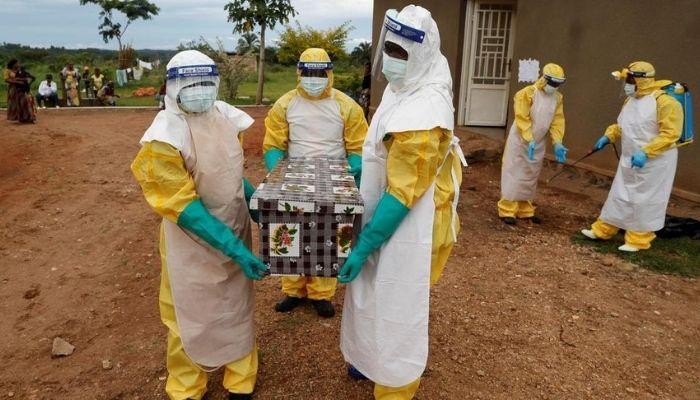
The Bill & Melinda Gates Foundation is unlocking an initial $15 million in emergency funding to help contain a nascent outbreak of the Bundibugyo Ebola virus spreading across the Democratic Republic of Congo and Uganda.
- +Gates Foundation commits $15m to combat cross-border Ebola outbreak in Africa
To ensure capital reaches the front lines with maximum velocity, the foundation is dividing the commitment into three equal $5 million tranches.
To ensure capital reaches the front lines with maximum velocity, the foundation is dividing the commitment into three equal $5 million tranches. The Africa Centers for Disease Control and Prevention will receive a third of the funds to spearhead regional coordination, rapid deployment, and cross-border surveillance.
Another $5 million is earmarked for the World Health Organization’s regional office for Africa to back frontline operations, while the final tranche will flow to WHO headquarters to finance rapid procurement, surge logistics, and critical diagnostic commodities.
“No single country or institution can contain an outbreak alone, especially when there are risks of cross-border spread,” the Seattle-based philanthropy said in a statement, noting that the governments of DRC and Uganda are actively leading containment efforts.
The foundation firmly endorsed a unified, African-led strategy, praising the “one plan, one budget, one team” operational blueprint focused on rapid containment.
The financial lifeline arrives at a highly fraught juncture for the continent’s public health infrastructure. The 2026 resurgence of the deadly Ebola strain in the DRC has stoked fears of a broader epidemic, echoing the catastrophic outbreak that devastated parts of West Africa a dozen years ago in 2014.
Compounding these systemic anxieties is a separate Hantavirus scare currently being closely monitored in South Africa and Zimbabwe.
Public health experts warn that these converging pathogenic threats are severely stress-testing Africa’s disease surveillance networks. The dual crises threaten to expose vulnerabilities in nations already saddled with limited diagnostic capacity and uneven outbreak preparedness.
Expressing solidarity with the communities and frontline health workers operating under punishing conditions, the Gates Foundation reaffirmed its long-term financial backing for organizations like the Coalition for Epidemic Preparedness Innovations to accelerate the development of future countermeasures.
“Our thoughts are with the families who have lost loved ones, the communities facing uncertainty, and the frontline health workers, laboratory teams, responders, and community volunteers working under extremely difficult conditions to protect lives,” the statement said.
The philanthropy is also leveraging the Joint Emergency Action Plan—a strategic framework linking the Africa CDC and WHO—to unify emergency support and prevent the pitfalls of a fragmented, parallel response.
The urgency of the capital deployment is underscored by a stark medical reality: there are currently no approved vaccines or therapeutics on the market for the Bundibugyo strain of Ebola. As a result, the immediate tactical priority remains strictly defensive, relying on aggressive rapid detection, rigorous public health protocols, and coordinated action to break the chains of transmission before the virus can cross further borders.