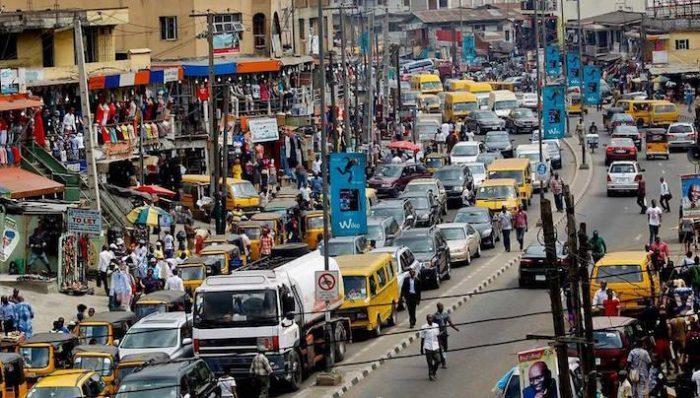
There is a quiet desperation spreading across Nigeria, one that statistics cannot fully capture. It lives in the markets where mothers bargain endlessly over shrinking portions of food; in the homes where fathers silently skip meals so their children can eat; and in the weary faces of young Nigerians who, despite their education and resilience, find opportunity slipping further out of reach.
- +Nigeria: fixing the basics is not rocket science
You do not need to be a seer to understand that something is fundamentally wrong; the everyday experience is enough.
You do not need to be a seer to understand that something is fundamentally wrong; the everyday experience is enough. Nigerians are not asking for miracles. They are asking for a government that works, one that focuses on the basics and gets them right.
Across Nigeria, citizens have become their own government. They generate their own electricity, dig their own boreholes, fund their own security, and even improvise healthcare and education systems. What this reveals is not just resilience, but a painful truth that Nigerians have been left largely on their own.
Yet, even in this bleak landscape, the solutions are neither mysterious nor unattainable.
First, the issue of petroleum must be addressed with clarity and courage. Nigeria remains one of the world’s largest crude oil producers, yet its citizens pay exorbitant prices for refined products. This contradiction is at the heart of much of the economic distress. Renegotiating crude swap arrangements the Nigeria National Petroleum Corporation entered into on behalf of Nigerians and prioritising local refining, particularly through the Dangote Refinery and modular refineries in the Niger Delta, could significantly reduce petrol costs. Lower petrol prices would cascade across the economy, easing transportation costs, reducing food prices, and ultimately improving living standards.
Subsidy removal, though controversial, need not translate into unchecked hardship. If anything, it should come with strong regulatory safeguards. This is where agencies like the Consumer Protection Council must step in decisively. Strategic price controls, carefully implemented and transparently monitored, can protect citizens from exploitative pricing, especially in essential goods and services. Other nations have done this effectively; Nigeria can too, if there is sincerity of purpose.
Equally urgent is reform in the financial and telecommunications sectors. For millions of Nigerians, small transactions are lifelines. Yet, these are often burdened with multiple charges that erode already meagre incomes. It is unconscionable that a N500 transaction can attract layers of deductions. The Central Bank of Nigeria must act firmly to protect low-income earners by eliminating or significantly reducing charges on micro-transactions. Financial inclusion should not become financial exploitation.
Beyond these immediate measures lies the deeper structural crisis, security and power. No economy can thrive where farmers are afraid to go to their fields. Nigeria’s agricultural potential remains vast, but it is crippled by insecurity. Addressing this is not just a matter of national defence but an economic imperative. Securing farmlands would boost food production, stabilise prices, and reduce dependence on imports.
Power supply presents a similarly glaring failure. Nigeria’s ‘generator economy’ is both an embarrassment and a heavy economic burden. Small businesses spend a significant portion of their earnings on fuel, while households struggle to maintain basic comfort. The government does not need to reinvent the wheel. Incremental improvements, fixing transmission gaps, supporting decentralised power generation, and ensuring accountability in the power sector can collectively make a significant difference.
In addition, the government must invest in targeted social protection programmes. Conditional cash transfers, food subsidies for the most vulnerable, and public works programmes can provide immediate relief while stimulating economic activity. These are not handouts but lifelines that can prevent millions from slipping further into poverty.
Transparency and communication also matter. Nigerians are more likely to endure hardship if they trust that sacrifices are temporary and meaningful. But where there is vagueness, suspicion thrives. The government must communicate policies clearly, involve stakeholders, and demonstrate accountability at every level.
Ultimately, what Nigerians seek is not extravagant governance but effective governance. They want fairness in policy, sincerity in leadership, and a sense that their lives matter.
As another election cycle approaches, it would be a profound indictment if the same fundamental issues (security, power, and economic stability) remain unresolved. Leadership is not measured by promises made but by lives improved.
Fixing the essentials in Nigeria is not rocket science. It requires discipline, empathy, and the political will to prioritise the common good over personal or political interests. Nigerians have shown extraordinary patience and resilience. What they deserve in return is a government that meets them halfway, one that does the little it must do but does it well.
Because at the heart of this crisis are not just numbers but human lives. And those lives must count for more than they currently do.