Kano to re gazette 371 encroached grazing reserves after the governor’s executive order
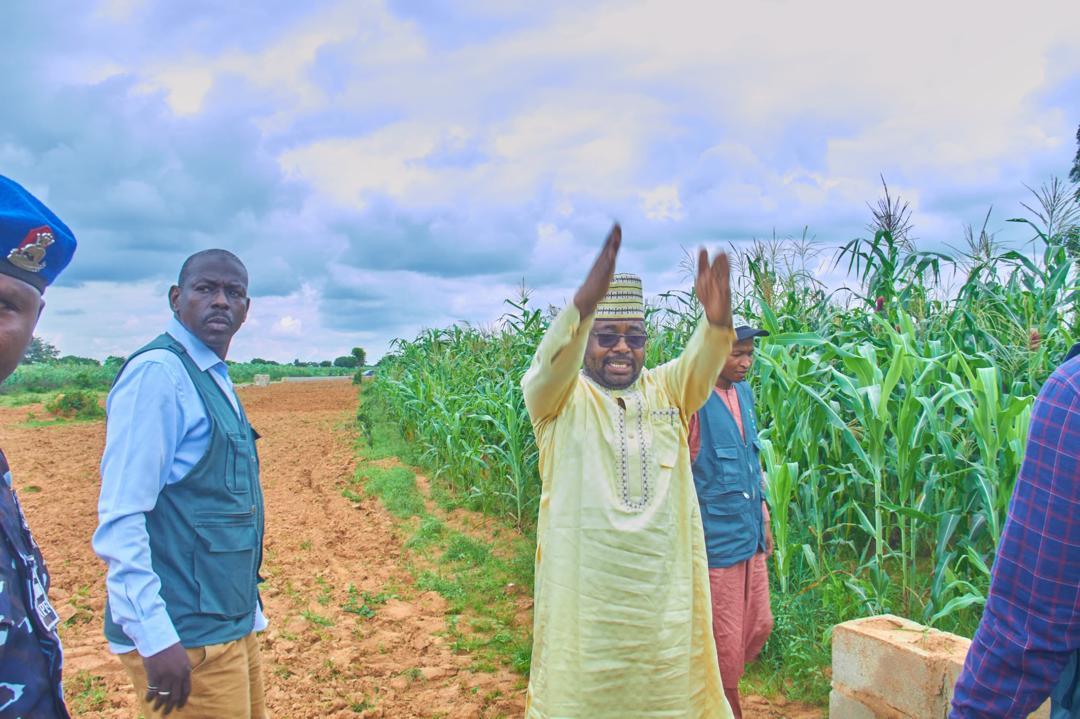
The Kano State Government is regazetting about 371 grazing reserves across the state’s 44 local government areas that have been encroached upon by farmers.
The Kano State Government is regazetting about 371 grazing reserves across the state’s 44 local government areas that have been encroached upon by farmers.
This development followed an executive order issued by Governor Abba Yusuf in 2024, which prohibits the allocation of designated grazing reserves and cattle routes (Burtali).
According to the Executive Order, “No ministry, department, or agency—including the Ministry of Agriculture, local government authorities, traditional institutions, titleholders, or individuals within the state—shall allocate, permit, or confer any right of occupancy, whether permanent or temporary, on any designated grazing reserve or cattle route.”
The governor tasked the Chairman of the State Public Complaints and Anti-Corruption Commission with ensuring strict compliance.
“Under this order, the commission shall deploy all available legal instruments to check the excesses of Kano State public institutions, including local government councils, and prosecute violators,” the statement added.
In the 1960s, the Nigerian government established grazing reserves and demarcated livestock routes (commonly known in Hausa as Burtali) to encourage nomadic herders to settle, manage their livestock sustainably, and avoid trespassing on agricultural lands.
These corridors were designed to allow herders to move cattle from the arid north to the wetter southern regions during the dry season without disrupting local farms.
Over the decades, crop farmers have expanded their fields into the areas designated for cattle grazing and transit, leaving the land vulnerable to illegal selling, allocation by corrupt local authorities, or urbanisation.
When farmers block traditional cattle routes or cultivate crops within grazing reserves, migrating herds trample or consume the crops.
In response, farmers frequently retaliate by seizing or harming the livestock, often escalating into violent cycles of reprisal between crop farmers and cattle herders.
Following the commencement of the gazetting process, Fulani leaders have commended the Kano State Government for its efforts to reclaim encroached grazing reserves, cattle routes, and other pastoral resources across the state.
The leaders of the Miyetti Allah Cattle Breeders Association of Nigeria (MACBAN) and the Fulani Development Association of Nigeria (FULDAN) disclosed this in separate interviews with the News Agency of Nigeria (NAN) on Saturday in Kano.
The Kano State Chairman of MACBAN, Abdullahi Bakoji, a retired military officer, and his FULDAN counterpart, Sani Adamu, described the move as a welcome development and a proactive measure to protect grazing reserves and cattle routes in the interest of peaceful coexistence.
The groups noted that the encroachment of grazing reserves has been a primary driver of incessant clashes and disputes between herders and farmers.
“We particularly commend Governor Abba Kabir-Yusuf for issuing an Executive Order prohibiting the sale, allocation, or unlawful conversion of grazing reserves and cattle routes.
“MACBAN expresses profound appreciation for responding positively to our longstanding concerns regarding the illegal sale and encroachment of grazing reserves and stock routes across the state.
“This courageous and timely decision demonstrates the administration’s commitment to safeguarding critical livestock infrastructure and promoting peaceful coexistence among all communities in Kano State,” the group stated.
According to the leadership, a particularly significant aspect of the initiative is the establishment of a multi-stakeholder committee comprising local government chairpersons, district heads, land officers, leaders of Miyetti Allah, and representatives of pastoralist communities from the local government areas.
“The committee adopted a transparent verification process whereby pastoralist representatives identified grazing reserves and stock routes that had allegedly been sold, encroached upon, or diverted over the past two years.
“These submissions were subsequently verified by the relevant District Heads and Land Officers before being formally documented and endorsed by all parties.
“Through this collaborative exercise, the committee identified 371 grazing reserves and cattle routes that had been affected within the last two years, despite existing government directives intended to protect such areas.
“We wish to emphasise that this initiative is not designed to favour any particular ethnic group, profession, or community,” the group stated.
The leaders observed that experience has shown that disputes arising from the loss of grazing reserves and stock routes have significantly contributed to tensions and insecurity across several parts of Nigeria.
“Addressing these issues through lawful and transparent means is therefore in the collective interest of all citizens.
“We believe the actions taken by the Kano State Government represent an important step toward sustainable conflict prevention, effective land management, and the promotion of peaceful relations between pastoralist and farming communities,” the group added.