The ongoing United States-Israel-Iran war which started on February 28, 2026 has been described in its impact on global supply of oil and gas as “unprecedented in its immediate scope.” The International Energy Agency’s early assessment of the current crisis has established that its impact is greater than the combined effect of the 1973 Arab oil embargo and the 1979 Iranian Revolution, which reveals the speed and scope of the impact, even more so that the end of the conflict is not in sight.
- +The war in Iran and its ripple effects on international energy markets
The impact of the global energy shock generated by the U.S.-Israel versus Iran war has reverberated worldwide, with Brent Crude selling above $120 per barrel.
The impact of the global energy shock generated by the U.S.-Israel versus Iran war has reverberated worldwide, with Brent Crude selling above $120 per barrel. This has led generally to over 50% rise in the pump price of petrol globally. Similarly the prices of gas, diesel and aviation fuel have spiked, threatening global inflation and recession. Cost of living – which was already high as a result of the effect of economic reforms and removal of fuel subsidy and gradual move to remove electricity subsidy in Nigeria – has been further exacerbated. If the Middle East conflict drags beyond the near term, the global economy and national economies will take a hit; and the Nigerian government will have to consider quickly enough cost of living support packages to assuage the cost of public transport, especially for the most vulnerable, beyond the presidential intervention in CNG and electric vehicles.
At the centre of the global energy shock is the closure or near closure by Iran of the Strait of Hormuz through which 20% of global shipping in oil and gas is undertaken. The global supply disruption goes beyond oil and gas to include other commodities like helium, a byproduct of natural gas processing; methanol, aluminium, petrochemicals, fertilizers, sulfur, graphite feedstocks, used in electric vehicle (EV) battery anodes; monoethylene glycol (MEG), a key input for polyester fibres; and iron ore/steel pellets – causing widespread industrial and supply chain disruptions on a global scale. But we will be focusing more on global oil and gas supply disruptions; and collateral damage to oil and gas infrastructure in neighbouring Gulf States.
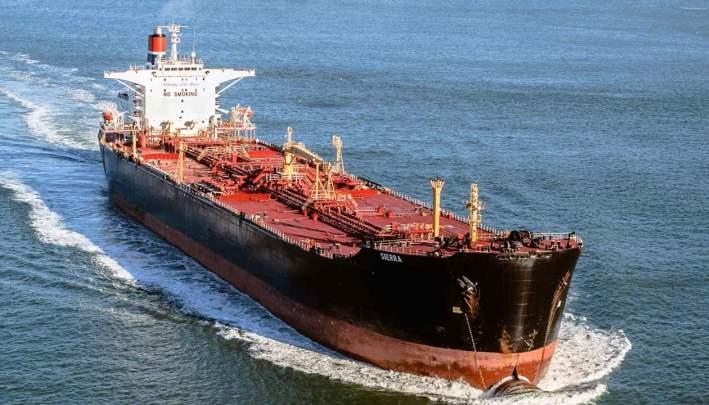
On a normal day, 130 to 150 ships passed through the Strait of Hormuz according to reports from the beginning of 2026 before the conflict started. Apart from crude oil, about 100 oil tankers would pass through daily carrying petroleum and energy products, including liquefied natural gas (LNG). As of March 2026 traffic through the critical shipping corridor dropped by 95%. Nearly a hundred percent of Qatar’s LNG exports passed through the Strait of Hormuz before the outbreak of hostility between US/Israel and Iran. Qatar, which accounts 20% of global LNG supplies, suspended LNG production and exports after an Iranian missile attack on its Ras Laffan Industrial City, which houses the Ras Laffan LNG export terminal complex, the largest LNG export facility in the world.
United States and Israeli attacks on Iran have targeted mostly military sites, but sometimes energy and infrastructural facilities, especially by Israel. In retaliation, Iran has mounted reprisal attacks against all the six Gulf States of United Arab Emirates (UAE), Saudi Arabia, Bahrain, Qatar, Kuwait and Oman, which are hosts to American military facilities. UAE has been the most targeted, with over 2000 drones and missiles directed at sites in Dubai, Abu Dhabi, and the Fajairah oil terminal. Saudi Arabia has been targeted with drones and missiles hitting oil refineries and petrochemical plants. Power plants and energy facilities in Qatar and Kuwait have been targeted by drone and missile attacks. Iranian strikes on Bahrain included the U.S. Navy 5th Fleet headquarters, which caused a fire. But Oman has experienced fewer attacks, compared to the other five Gulf States.
The Gulf States or Gulf Arab states are located on the southern shores of the Persian Gulf and the Arabian Peninsula. The six states form the Gulf Cooperation Council (GCC). The primary objectives of the GCC include economic cooperation and coordination with economic integration as the ultimate goal; political coordination and security cooperation and coordination, with initiatives like the Peninsula Shield Force. GCC member states’ security concerns have always had Iran in mind: first, because five of the six states are small prosperous Arab kingdoms weary of the potential military threat from a powerful non-Arab Shi’ite neighbor like Iran (four of them are predominantly Sunni Muslim); second, because Iran has the capacity to control the Strait of Hormuz which poses a maritime threat to the Gulf States; third, because Saudi Arabia, the only major country in geographical size, population and military might in the GCC – and is the homeland of Sunni Muslims – has traditionally been major regional rivals with Iran, homeland of Shi’ite Muslims; fourth, Iran has demonstrated a huge ability to interfere in the internal affairs of neighbouring countries like Iraq, Lebanon and Palestine with domestic military alliances loyal to Iran; and fifth, the proximity of Bahrain, Qatar and Kuwait to Iran, which makes them vulnerable to attacks from Iran.
The Gulf States (the GCC) share in common: 1) huge and extensive oil and gas reserves, accounting for 21% to 30% of global oil supply and 32% to 40% of global oil reserves, 13.5% of global gas exports and 20% to 23% of global natural gas reserves; 2) axis of prosperity and huge economic influences extending far beyond their region; and 3) security concerns, especially magnified by the ongoing U.S and Israel war against war against Iran and Iran’s retaliatory attacks
With the near closure of the Strait of Hormuz to global shipping, the U.S., Canada, Mexico, (and grudgingly Russia) and other sources including Africa have become alternative sources of additional supply of oil and natural gas. Africa accounts for 7.5%-10% of global crude oil production, with output hovering between 7 to 10 million barrels per day. Similarly, the continent accounts for about 6% of global gas production, while proven reserves are 8% of global proven gas reserves. The foregoing constitute a limiting factor in the ability of African oil and gas exporters to expand production and take ample advantage of the 20% global shortage in oil and gas supply due to the disruption in the global oil and gas supply chain.
As far as the supply of petroleum products is concerned, especially petrol, Dangote Refinery and Petrochemicals has risen to the challenge by supplying 500,000 tons of refined products to a number of African countries including South Africa, Ghana, Cote d’ivoire, Kenya, Cameroon, and Togo in the month of March 2026 – a good example of private sector preparation and thrust meeting with opportunity for success.