South-west, particularly Lagos, records highest mental health distress cases — Report
A 10-year impact report by She Writes Woman (SWW) has identified the South-west, particularly Lagos State, as the region with the highest number of reported mental health distress cases in Nigeria.
A 10-year impact report by She Writes Woman (SWW) has identified the South-west, particularly Lagos State, as the region with the highest number of reported mental health distress cases in Nigeria.
The report, unveiled on Sunday in Abuja and obtained by PREMIUM TIMES on Monday, analysed over 25,000 real-time distress calls received through the organisation’s nationwide toll-free helpline.
It found that nearly 50 per cent of callers were from the South-west, with Lagos accounting for the largest share.
The report also revealed that 55 per cent of callers experienced suicidal ideation, while one in five reported a combination of suicidal thoughts and depression, highlighting a high prevalence of severe psychological distress.
According to the findings, the high figures recorded in Lagos may reflect both greater awareness and better access to support services, as well as the pressures associated with urban living.
In contrast, the North-east recorded fewer than 100 calls.
The report attributed this not to lower need, but to systemic barriers such as stigma, weak infrastructure and limited awareness.
Meanwhile, 24 per cent of abuse-related calls originated from the South-south, indicating patterns of gender-based vulnerability in the region.
In the North-central zone, 50 per cent of callers reported suicidal ideation, while 31 per cent experienced depression and anxiety.
The report further highlighted delayed help-seeking behaviour among men, pointing to persistent social and cultural barriers to accessing mental health support.
The report showed that more than 80 per cent of callers were aged between 18 and 30, placing young Nigerians at the centre of the mental health crisis.
The report linked spikes in distress to wider economic and socio-political shocks, particularly during the COVID-19 pandemic and the #EndSARS protests, when the helpline recorded over 3,000 contacts within a short period.
Despite the scale of demand, the report noted that access to care remained limited.
It added that mental health consultations in Nigeria typically cost between N5,000 and N60,000, putting them beyond the reach of many.
It also found that four in seven suicide-related interventions involved men at high-risk stages.
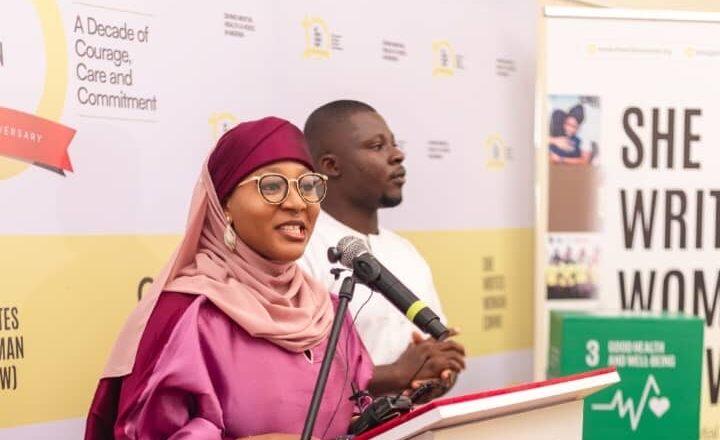
Speaking on the report, SWW Executive Director Hauwa Ojeifo described it as one of the most comprehensive and dynamic non-academic datasets on mental health first response in Nigeria.
Ms Ojeifo added that many callers expressed their distress through words such as isolation, exhaustion, overwhelm and hopelessness.
“For years, we have imported data, relied on anecdotes, and assumed what mental health in Nigeria looks like. This report changes that. It presents real-time evidence of how Nigerians experience distress, and how systems are failing them,”she said.
“While women tend to seek support earlier, men often reach out when harm is imminent. These are not abstract terms; they reflect lived realities shaped by economic instability, social pressure, and systemic neglect”, said the sexual violence and mental health activist.
Ms Ojeifo said SWW was founded in 2016 following her personal experience with bipolar disorder and post-traumatic stress disorder (PTSD), to ensure that people living with mental health conditions are actively involved in shaping policies that affect them.
She noted that the organisation has grown from a grassroots initiative into a prominent voice in Nigeria’s mental health advocacy space.
“The system is not broken. It works exactly as it was designed, but unfortunately, it excludes people with mental health conditions from care, dignity and decision-making. Hope alone is not protection. Without systems, people will continue to fall through the cracks,” she added.
She urged the government to take more decisive steps, including increased funding, stronger infrastructure, and the integration of mental health into broader public health and social protection systems.