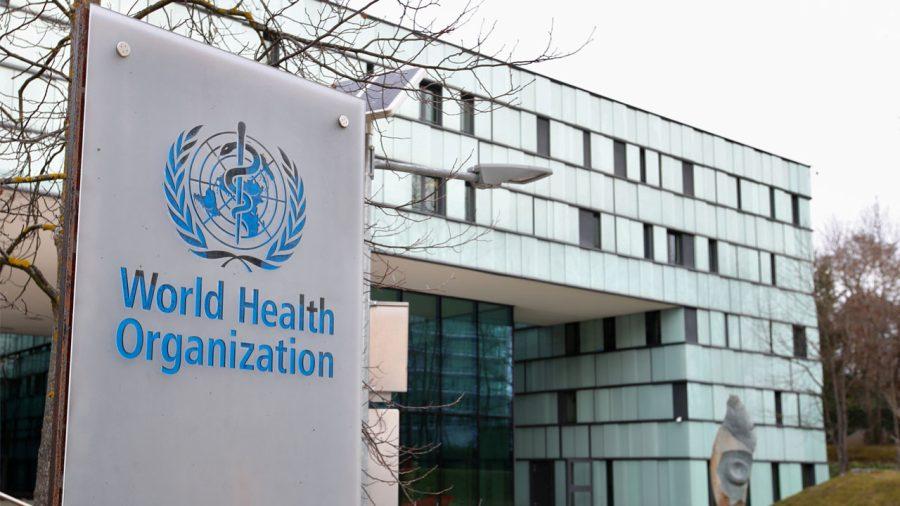
World Health Organization (WHO) has declared the ongoing Ebola outbreak linked to the rare Bundibugyo virus strain a Public Health Emergency of International Concern (PHEIC), warning that there is currently no approved vaccine or specific treatment for the variant spreading across parts of Central Africa.
- +WHO declares Ebola outbreak global health emergency, says no approved vaccine
This was contained in a detailed statement released by the global health body on Sunday, May 17, following the confirmation of Bundibugyo Ebola virus cases in Ituri Province of the Democratic Republic of the Congo (DR Congo) and the subsequent spread of infections to Kampala, the Ugandan capital, after infected individuals travelled from DR Congo.
This was contained in a detailed statement released by the global health body on Sunday, May 17, following the confirmation of Bundibugyo Ebola virus cases in Ituri Province of the Democratic Republic of the Congo (DR Congo) and the subsequent spread of infections to Kampala, the Ugandan capital, after infected individuals travelled from DR Congo.
According to WHO, although the “Bundibugyo virus in the Democratic Republic of the Congo and Uganda constitutes a public health emergency of international concern (PHEIC),” the outbreak does not yet qualify as a pandemic emergency under the International Health Regulations (IHR).
The agency explained that while the outbreak poses a serious international public health threat requiring urgent cross-border coordination, it still does not meet the legal threshold for a pandemic classification.
According to WHO, there are several troubling indicators suggesting that the outbreak may already be far larger than currently reported, raising fears of wider regional spread if containment measures fail.
The health body particularly pointed to the high positivity rate among initial laboratory samples, rising reports of unexplained deaths and the confirmation of infections in major urban centres.
The organisation further warned that worsening insecurity, humanitarian challenges, high population movement and weak healthcare structures in affected areas could significantly accelerate transmission, particularly because the current Ebola strain lacks approved vaccines or therapeutics.
WHO said the outbreak, which initially appeared concentrated in Ituri Province in eastern DR Congo, has continued spreading across multiple locations with both confirmed and suspected cases rapidly increasing.
Authorities also confirmed another Ebola case in Kinshasa, DR Congo’s capital city, involving an individual who recently returned from Ituri.
WHO warned that there are still “significant uncertainties” regarding the true scale of infections and the actual geographic spread of the outbreak, noting that health authorities are still struggling to fully establish epidemiological links between many of the reported cases.
Bundibugyo ebolavirus is regarded as one of the rarest Ebola species known to infect humans and has only caused two previously documented outbreaks — one in Uganda in 2007 and another in eastern DR Congo in 2012.
DR Congo itself has battled more than a dozen Ebola outbreaks over the last five decades and is widely considered one of the world’s most experienced countries in Ebola containment and outbreak response.