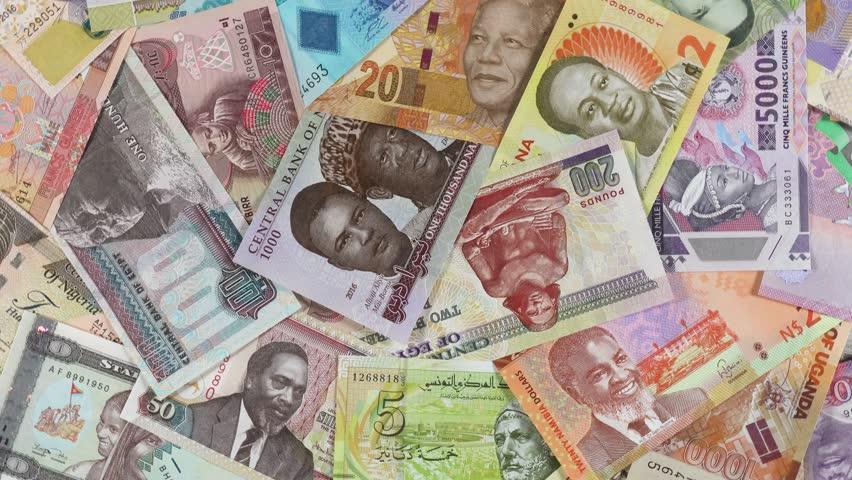
A strong currency remains one of the clearest signals of macroeconomic discipline, investor confidence and external stability. Across Africa, only a handful of economies have managed to sustain relatively firm exchange rates against the United States dollar, often reflecting tighter monetary policy, export strength, or managed currency regimes.
- +7 African countries with the strongest currencies/$ as of March 2026
In early March, the naira was stable at roughly N1,377 per US dollar in the official market, compared to volatility in 2024 and 2025.
In early March, the naira was stable at roughly N1,377 per US dollar in the official market, compared to volatility in 2024 and 2025.
Here are the 7 African countries with the strongest currencies in March 2026, per data from Forbes
Tunisia’s dinar continues to rank as Africa’s strongest, largely due to tight foreign exchange controls and central bank intervention. The currency is not freely convertible, allowing authorities to manage volatility and preserve value. While this limits flexibility, it has helped maintain relative stability amid external shocks.
Libya’s currency strength is heavily tied to its vast oil reserves. Hydrocarbon exports generate significant foreign exchange inflows, supporting the dinar. Additionally, a controlled exchange rate system and limited currency convertibility help shield it from speculative pressure despite ongoing political fragility.
Morocco’s dirham benefits from a carefully managed exchange rate regime pegged to a basket of currencies dominated by the euro and US dollar. Strong tourism receipts, remittances, and a diversified export base, including automotive and agriculture, provide consistent support.
After a period of sharp depreciation in earlier years, Ghana’s cedi has stabilised, supported by fiscal reforms and an IMF-backed programme. Improved gold exports and tighter monetary policy have helped restore investor confidence, contributing to a stronger and more predictable currency environment.
Botswana’s pula reflects one of Africa’s most disciplined macroeconomic frameworks. Backed by diamond exports and prudent fiscal management, the country maintains substantial foreign reserves.
The Seychelles rupee is supported by a tourism-driven economy that generates steady foreign currency inflows. Economic reforms and improved fiscal governance in recent years have strengthened resilience, though the currency remains sensitive to global travel trends.
Eritrea’s nakfa maintains its value largely through strict government controls and a fixed official exchange rate. Limited participation in global financial markets reduces exposure to external volatility, though it also constrains liquidity and broader economic dynamism.