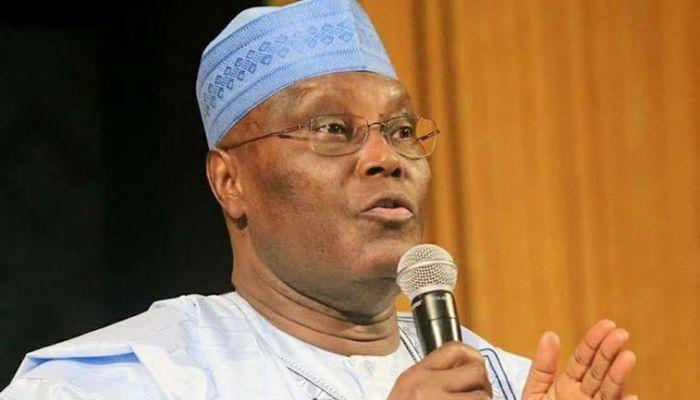
Former vice-president Atiku Abubakar has criticised the administration of President Bola Ahmed Tinubu following a World Bank report indicating that more than 60% of Nigerians now live below the poverty line. Atiku said the report confirms the harsh economic realities experienced by millions, describing the development as evidence that poverty is rising at an “alarming rate” under the current government.
- +World Bank report: Atiku knocks Tinubu as poverty rate hits 60%
In a statement issued on Friday in Abuja by Phrank Shaibu, senior special assistant on public communication, Atiku said the increase from about 40% a few years ago represents “not reform, but regression on a monumental scale”.
In a statement issued on Friday in Abuja by Phrank Shaibu, senior special assistant on public communication, Atiku said the increase from about 40% a few years ago represents “not reform, but regression on a monumental scale”.
The worsening poverty situation is neither accidental nor unavoidable, according to Atiku. He described the current state of affairs as a direct consequence of poorly designed and harshly implemented policies.
”It is the direct outcome of poorly conceived and harshly implemented policies, from the abrupt removal of fuel subsidies to the chaotic devaluation of the naira, all executed without adequate safeguards for the Nigerian people,” the statement said.
Atiku argued that the effects of these policies are evident across the country, pointing to soaring food prices, rising inflation, collapsing small businesses, and increasing hardship among citizens.
”While the Tinubu administration points to abstract macroeconomic indicators, Nigerians are living a far harsher reality—one defined by hunger, uncertainty, and a daily struggle for survival,” he said. Atiku characterised the current approach as “economic shock therapy” imposed on a vulnerable population.
He further criticised the government for blaming external factors for Nigeria’s economic difficulties, insisting that a failure to shield citizens from global shocks reflects poor leadership.