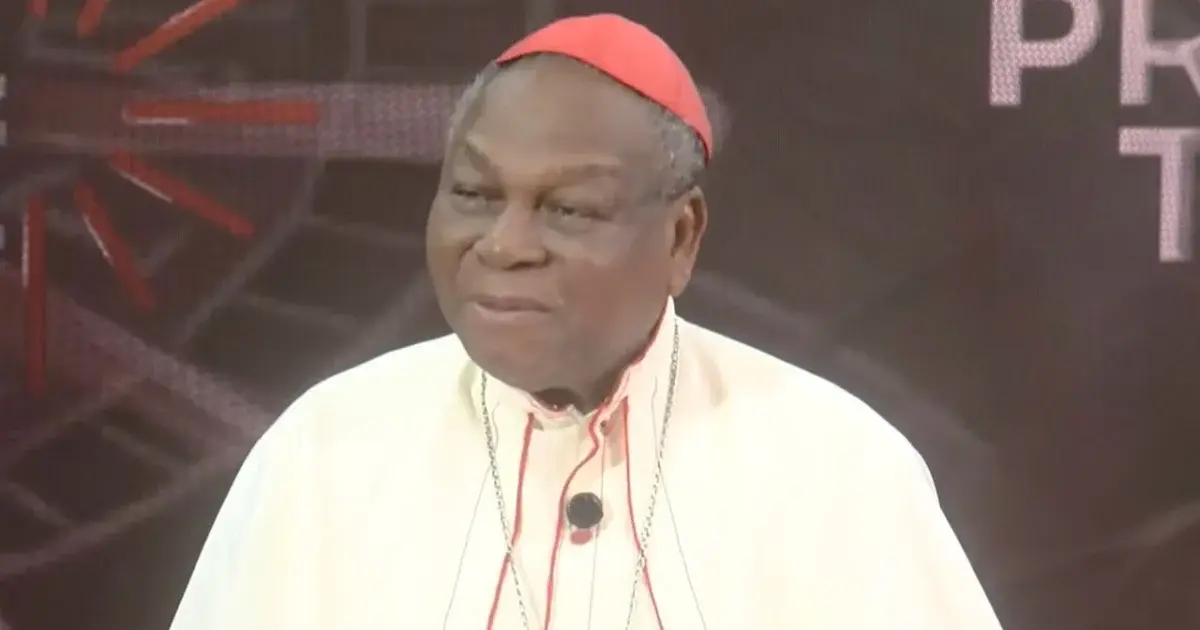
The Middle Belt Forum has thrown its weight behind former Catholic Archbishop of Abuja, Cardinal John Onaiyekan, and the Catholic Bishops’ Conference of Nigeria over their criticism of the country’s economic and security situation, insisting that their comments reflect the daily realities confronting millions of Nigerians.
- +Middle Belt forum backs Onaiyekan, Catholic bishops over economic warnings
The forum also condemned what it described as “unwarranted attacks” on the cleric by some presidential aides and supporters, saying speaking about poverty, insecurity and human suffering should not be politicised.
The forum also condemned what it described as “unwarranted attacks” on the cleric by some presidential aides and supporters, saying speaking about poverty, insecurity and human suffering should not be politicised.
The position was contained in a statement issued on Tuesday by the National Spokesman of the MBF, Luka Binniyat.
The statement followed recent exchanges after the Catholic Bishops’ Conference of Nigeria met with President Bola Tinubu at the Presidential Villa, Abuja, on July 24, during which the bishops reportedly expressed concerns over rising poverty, economic hardship and insecurity.
While the President maintained that his administration’s reforms were producing positive results, Onaiyekan later said in an interview that Tinubu appeared not to be receiving accurate information about the true condition of ordinary Nigerians.
The remarks drew criticism from some government officials, including the Minister of the Federal Capital Territory, Nyesom Wike, who accused the cleric of making political comments.
But the MBF said the attacks were “unfair, unnecessary and completely misplaced.”
According to the forum, “Cardinal Onaiyekan merely echoed what millions of Nigerians experience every day. He spoke neither as a politician nor as an opposition figure. The Cardinal spoke as a patriotic Nigerian and a respected religious leader who has consistently stood for justice, peace and the welfare of all citizens.”
The forum said the situation in the Middle Belt remained particularly dire, alleging that communities across the region had continued to suffer attacks by terrorists and armed Fulani militias.
It claimed that thousands had been killed, millions displaced and many communities destroyed, leaving farmers unable to cultivate their lands while widows, orphans and elderly people increasingly depended on humanitarian assistance.
“The consequences have been devastating. Farmers can no longer cultivate their land. Families have lost their homes, businesses and means of livelihood. Children have been forced out of school, while countless widows, orphans and elderly people now depend on humanitarian assistance simply to survive,” the statement read.
The MBF, however, acknowledged what it described as the sacrifices and courage of members of the Armed Forces and other security agencies in confronting insecurity, noting that many had paid the supreme price in the line of duty.
It argued that despite the efforts of security personnel, millions of Nigerians were still unable to live, farm and conduct legitimate businesses without fear.
On the economy, the forum maintained that although the national minimum wage had increased from ₦30,000 to ₦70,000 under the Tinubu administration, inflation and the depreciation of the naira had significantly eroded workers’ purchasing power.
It said the prices of petrol, food, transportation, electricity, cooking gas, healthcare and education had risen sharply since the introduction of the administration’s economic reforms.
The MBF urged the President to embrace constructive criticism rather than allow loyalists to attack those who expressed concerns about the country’s challenges.
“Leaders become stronger when they listen to uncomfortable truths, not when they surround themselves with those who tell them only what they wish to hear,” the statement added.
The forum also urged Tinubu to undertake an independent assessment of the living conditions of ordinary Nigerians, particularly victims of terrorism and violent attacks, saying firsthand accounts from displaced persons, farmers, widows, market women and unemployed youths would provide a more accurate picture of conditions in the country.
It reaffirmed its support for the Catholic Bishops’ Conference of Nigeria and Cardinal Onaiyekan, insisting that speaking truthfully about poverty, insecurity and human suffering was “a constitutional right, a moral obligation and a patriotic duty.”