Young adults are increasingly looking beyond their home countries in search of opportunity, flexibility and a better quality of life, as global mobility continues to rise.
- +Top 8 places to live abroad for young adults – experts
Experts say remote work, digital nomad visas and lower travel costs are making it easier to live and work abroad without putting careers on hold.
Experts say remote work, digital nomad visas and lower travel costs are making it easier to live and work abroad without putting careers on hold. From Asia to Europe and South America, cities are gaining attention for their balance of affordability, job prospects and social networks.
For many young professionals, the decision is no longer just about income, but about building a lifestyle that aligns with personal goals, community and long-term mobility in an interconnected world.
Here are eight destinations identified by experts as suitable for young adults seeking a new chapter abroad.
Thailand has strengthened its appeal to remote workers after launching the Destination Thailand Visa (DTV) in 2024. The visa allows long-term stays and supports flexible work arrangements.
Tim Leffel, author of “A Better Life for Half the Price”, says Chiang Mai remains a leading choice. “The long-time champ for remote workers and business owners is now even more attractive thanks to Thailand’s five-year, multi-entry digital nomad visa, the best one of its kind in the world,” he says.
Many residents spend about $500 per month on rent. Food options are widely available, and there are regular social events for expatriates. Travel within the region is also accessible, with domestic flights often priced below $100.
Canada continues to attract young professionals seeking structured career paths and public services.
Luther Yeates, founder of U.K. Expat Mortgage, says many migrants build careers in cities such as Toronto and Vancouver. He notes that Toronto offers a balance between cost and opportunity.
“We see clients who have developed fantastic careers in Canada… while benefiting from an all-round high quality of living,” he says.
He adds that while rent remains high, access to jobs, healthcare and transport supports long-term settlement.
Dublin is recognised as a centre for technology firms and international employers. Experts say this has created job opportunities for young workers.
Yeates points to the link between income levels and living costs. “Dublin has a surprisingly low cost of living compared to the local employment opportunities and the average salary on offer,” he says.
The city also has a social culture that supports networking. Public transport systems and healthcare services are widely used, although weather conditions remain a concern for some residents.
Da Nang is emerging as an alternative to more established remote work hubs. It combines access to beaches with a growing workforce.
Leffel says the city is gaining attention due to its affordability and location. “The current runner-up to Chiang Mai is coming on strong, with equally reasonable prices, terrific beaches nearby, and a young population that’s learning English fast,” he says.
Monthly expenses for a single person are estimated at about $423, excluding rent. The city also provides access to neighbouring countries including Laos and Cambodia.
Bangkok continues to attract freelancers and entrepreneurs working remotely. Experts say the cost of living allows residents to maintain stable lifestyles without high income levels.
Yeates describes the city as accessible for young professionals. “The cost of living is so low that you can afford to not be earning thousands and still have a high quality of life,” he says.
He adds that the presence of digital nomad communities supports collaboration and networking among residents.
Bansko has developed into a year-round base for remote workers. It hosts events such as the Bansko Nomad Fest, which brings together location-independent professionals.
Leffel highlights its affordability and location. “Bansko has bargain apartments to rent for 300 to 600 euros per month, and there’s a thriving co-working and social scene,” he says.
The town is a few hours from the capital, Sofia, and offers access to outdoor activities. Bulgaria has also introduced a digital nomad visa for non-EU residents.
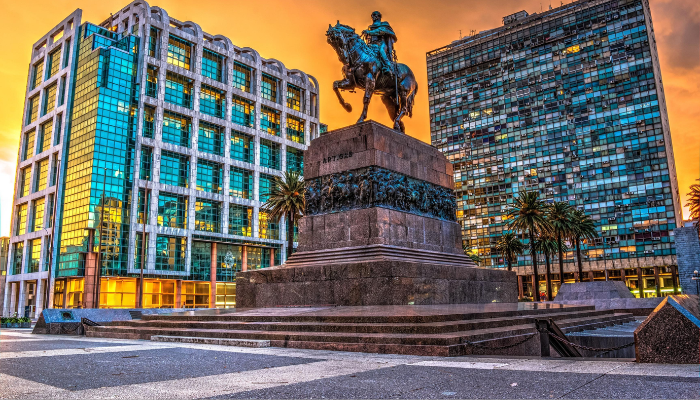
Montevideo is identified as one of the more stable cities in South America. Experts say it attracts residents seeking safety and consistent living standards.
Leffel notes that while Uruguay is more expensive than neighbouring countries, it provides other advantages. “It’s also one of the safest countries in the Americas,” he says.
Monthly costs for a single person are estimated at under $1,000, excluding rent. Popular areas among expatriates include Ciudad Vieja, Centro and Pocitos.
Lisbon continues to draw international residents due to its property market and growing expatriate population. Experts say the city appeals to both professionals and remote workers.
Yeates says it offers a mix of lifestyle and opportunity. “For Gen Z, I think this is a great place to consider… lots of expat communities already established,” he says.
While rents in central areas remain high, overall living costs are lower than in several European capitals. The city also benefits from transport links and access to coastal areas.