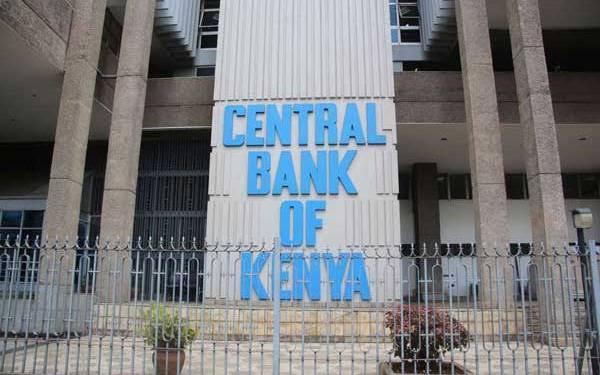
Kenya Central Bank freezes interest rates at 8.75%, monitors impact of Iran conflict
Kenya’s Central Bank has decided to keep its benchmark interest rate at 8.75%, pausing the easing cycle that has been in place for nearly two years.
Kenya’s Central Bank has decided to keep its benchmark interest rate at 8.75%, pausing the easing cycle that has been in place for nearly two years.
The decision was announced by CBK Governor, Kamau Thugge, on Wednesday after a meeting of the Monetary Policy Committee (MPC).
Policymakers opted to maintain the rate while assessing the potential impact of the ongoing US-Israeli conflict involving Iran and its effects on Kenya’s economy.
The move is also aimed at managing inflation levels.
During the meeting, the CBK MPC stated that holding the Central Bank Rate (CBR) at the current level is appropriate to maintain inflation within the 2.5% to 7.5% target range and to stabilize the exchange rate.
The committee observed that headline inflation stood at 4.4% in March, slightly up from 4.3% in February. However, it also warned of potential risks from global energy prices due to tensions in the Middle East.
He further explained that the ongoing conflict in the Middle East has disrupted global supply chains, causing a sharp rise in energy prices and introducing greater risks to the global economic outlook.
Thugge also highlighted that major central banks globally have kept their interest rates steady as they evaluate the long-term effects of the conflict on inflation and economic growth.
This pause in policy follows 10 consecutive interest rate cuts since August 2024, totaling 425 basis points. Despite a slight rise in inflation, which stood at 4.4% in March, it remains below the midpoint of the central bank’s target range, providing room for careful monitoring.
Kenya is not alone in holding rates steady. Other central banks in Africa, including South Africa, have paused monetary policy changes as they wait for more clarity on the Iran conflict’s effects on global commodity and energy markets, as well as on their domestic currencies.
The CBK has revised its growth forecast for the economy, now projecting a 5.3% growth rate, down from an earlier estimate of 5.5%, in response to emerging risks.
Foreign exchange reserves were reported at $13.7 billion in early April, sufficient to cover nearly six months of imports, well above the four-month threshold.
While the currency remains resilient, a decline in export earnings and remittances, combined with a global risk-off environment, could put pressure on the shilling, particularly if portfolio inflows decrease.
Kenya’s annual inflation eased to 4.3% in February 2026, down from 4.4% in January, giving the Central Bank of Kenya (CBK) greater room to consider additional interest rate cuts.
The report shows that the general price level in February 2026 was 4.3 per cent higher than in February 2025, reflecting a moderation in price pressures across key sectors.
Prices of items in Food and Non-Alcoholic Beverages rose by 7.3 per cent over the year.
Transport costs increased by 4.0 per cent, while Housing, Water, Electricity, Gas, and other fuels rose by 1.8 per cent.
These three divisions together account for over 57 per cent of the total weight across the 13 major expenditure categories in the CPI.
In its last MPC Meeting in February, Nigeria reduced the Monetary Policy Rate (MPR) by 50 basis points to 26.5% from 27%.
According to the MPC, the decision to cut the benchmark rate was driven by sustained improvements in key macroeconomic indicators, particularly inflation.