Inside Yomi Denzel Foundation’s playbook for building Nigeria’s next AI workforce
- +Real outcomes, not just training
The Yomi Denzel Foundation is doubling down on its mission to build Nigeria’s next generation of tech talent, combining digital skills training with access to tools, a gap many entry-level developers face.
The Yomi Denzel Foundation is doubling down on its mission to build Nigeria’s next generation of tech talent, combining digital skills training with access to tools, a gap many entry-level developers face.
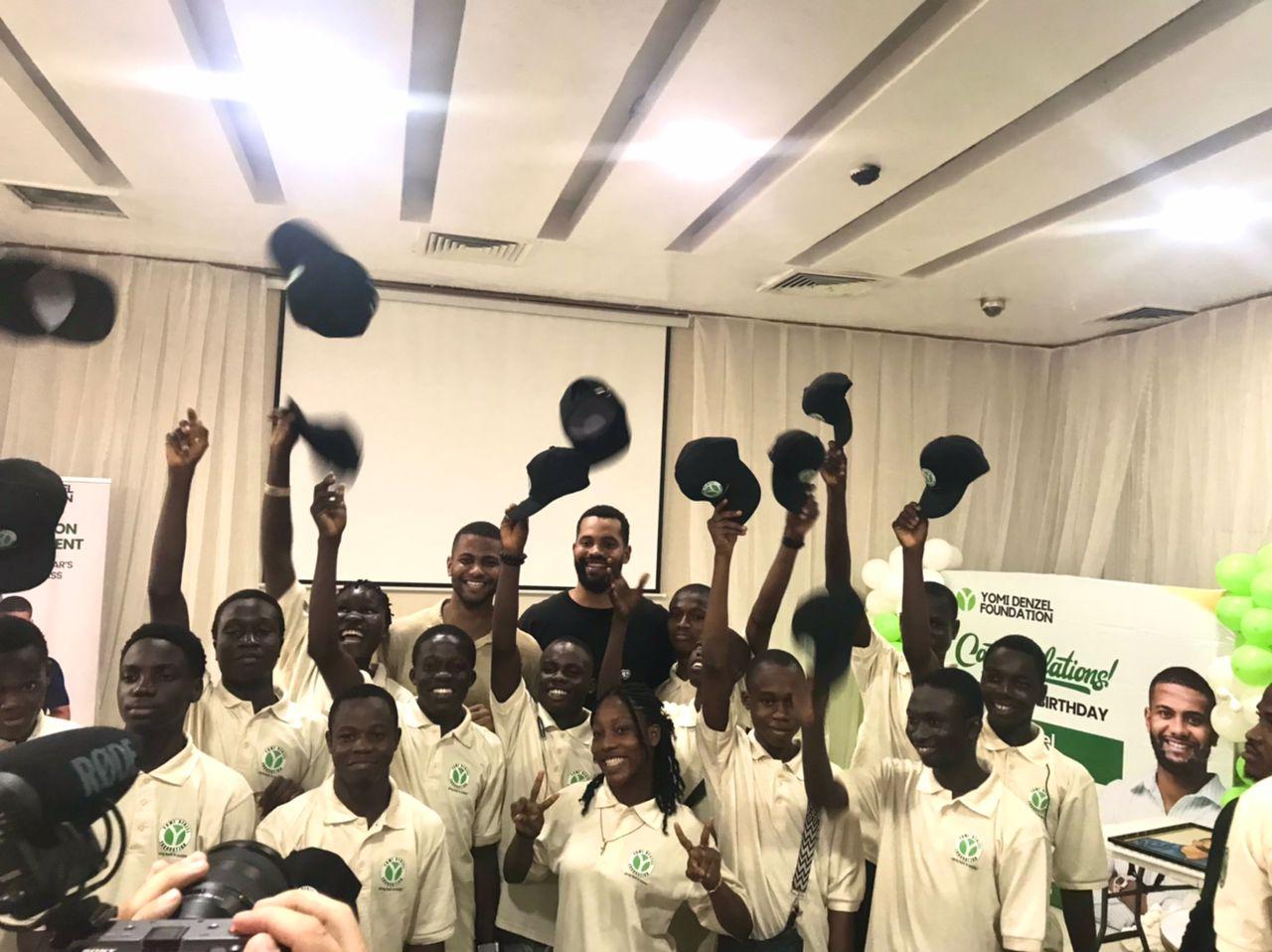
At its fourth graduation ceremony, the foundation trained over 40 young Nigerians in programming, artificial intelligence (AI), and data skills. But beyond certificates, it rewarded 25 top-performing students with brand-new HP laptops, a move that signals a deeper understanding of what it takes to succeed in Nigeria’s tech ecosystem.
The initiative aligns with the Federal Government’s 3 Million Technical Talent Programme (3MTT), which aims to build a globally competitive workforce.
“Certification is not the end. It is just the beginning,” said founder Yomi Denzel Olaniyi, positioning the programme as a launchpad rather than a finish line.
One of the biggest barriers for aspiring developers in Nigeria isn’t just learning, it is access to working tools. Laptops, stable internet, and software remain expensive for many young people.
Olaniyi said the decision was intentional, adding that, “We want to give you a tool to go further, to achieve more, to build a better life.”
This approach reflects a growing shift in Nigeria’s tech training space, from theory-heavy programmes to more practical, outcome-driven models.
The foundation is also placing a strong bet on artificial intelligence, urging students to build with emerging technologies rather than focus only on traditional programming paths.
“With AI now, you can do things that were impossible three years ago,” Olaniyi said.
Real outcomes, not just training
For many graduates, the programme is already translating into real-world opportunities.
One beneficiary, Oladipo Samuel, said he went from having no programming knowledge to winning 11 hackathons, securing internships, and working with companies like Microsoft and GTBank.
His story highlights a key trend, in that, employers are increasingly hiring based on demonstrable skills like portfolios, projects, and hackathons, rather than just degrees.
While the number of graduates, just over 40, may seem small, the model offers an important lesson for Nigeria’s digital economy ambitions.
Scaling talent development isn’t just about training millions of people. It is about ensuring they can actually participate in the economy after training.
The foundation’s mix of practical skills (Python, AI, data); real project exposure and hardware support, suggests a more complete pipeline from learning to earning.
Coordinator Temitoupe Oluwatukesi said the long-term goal is to build financially independent young Nigerians through technology, a goal that ties directly to Nigeria’s broader economic challenges, including youth unemployment and underemployment.
Nigeria’s push to build a digital economy will likely depend on more partnerships between government programmes like 3MTT and smaller, execution-focused organisations.
Because in the end, training alone doesn’t create a tech workforce, opportunity, access, and tools do, and that is where models like the Yomi Denzel Foundation’s may prove most effective.