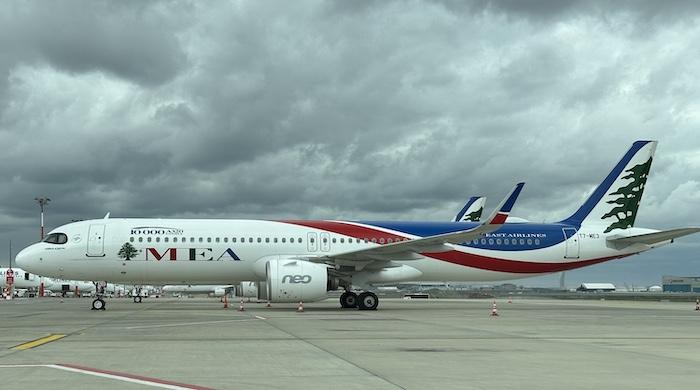
Lebanon Orders Safety Review Of Middle East Airlines Following Pilot Safety Concerns
Lebanon orders a safety review of Middle East Airlines following pilot concerns over flight safety and reporting practices.
Lebanon orders a safety review of Middle East Airlines following pilot concerns over flight safety and reporting practices.
Lebanon’s aviation authority has opened a formal safety review into Middle East Airlines following complaints from pilot groups that crews may have been exposed to heightened operational risks near conflict zones and discouraged from reporting safety concerns, according to correspondence reviewed by Reuters.
The move places the Beirut-based national carrier under renewed scrutiny at a time when it has remained one of the few airlines consistently operating in and out of Lebanon despite regional instability and a prolonged economic crisis that has severely affected the country’s aviation sector.
The airline has continued flights across the Middle East, Europe, and parts of Africa, helping maintain Lebanon’s connectivity as many international carriers have reduced exposure to airspace affected by ongoing military activity in the region.
In response to the concerns, Lebanon Civil Aviation Authority confirmed it has begun an audit of MEA’s operations and safety practices. The regulator said the review also aims to address concerns raised by pilot associations regarding operational decision-making during periods of regional escalation.
Pilot representatives, including the International Federation of Air Line Pilots’ Associations, have alleged that flight crews were at times expected to operate near areas affected by airstrikes and that internal reporting of safety incidents may have led to punitive reassignment to training duties, potentially affecting income in a system heavily reliant on flight-based pay.
MEA has rejected these claims, saying its operations remain fully compliant with safety regulations and that all flights conducted during periods of military tension were based on structured risk assessments developed with Lebanese authorities.
The airline also stressed that its safety record remains strong and that training assignments are part of standard regulatory and operational procedures, not disciplinary action.
Concerns about operational risk have grown since renewed regional hostilities intensified in recent years, with pilot groups pointing to incidents involving strikes near civilian aviation routes and warning that conflict zone flying requires heightened caution.
The issue has also drawn attention from international aviation stakeholders, including members of the SkyTeam alliance, which includes carriers such as Air France and Delta Air Lines. Both airlines have said they monitor the safety performance of partner carriers in line with global aviation standards.
Regulators such as the European Union Aviation Safety Agency and the US Federal Aviation Administration require airlines to assess the safety of codeshare and partner operators, particularly those flying through higher-risk regions.
MEA has also faced questions from pilot groups over financial arrangements within Lebanon’s aviation sector, including claims that some regulatory personnel received financial assistance linked to the airline. MEA says such support was coordinated with government institutions during Lebanon’s financial collapse and does not compromise regulatory independence.
The airline maintains that all oversight bodies continue to operate independently and that no safety regulators involved in audits are subject to airline control or influence.
Lebanese authorities say the review is ongoing and further findings will be communicated once the audit process is completed, as discussions continue between regulators, the airline, and pilot representatives.