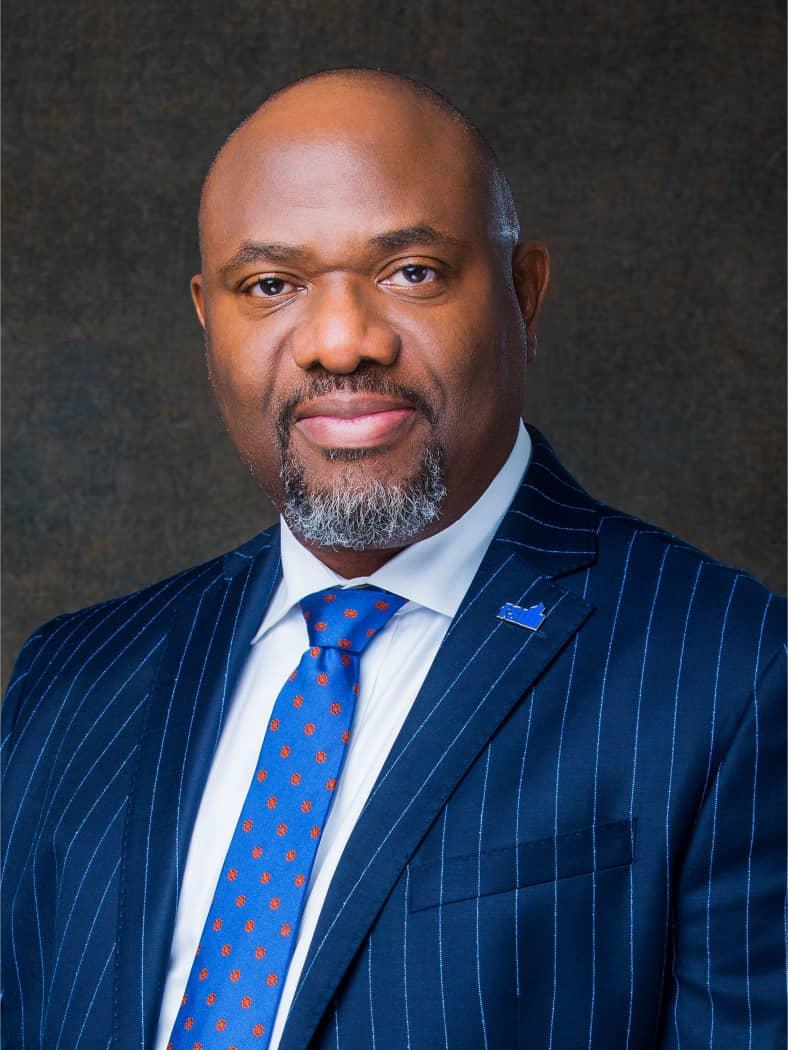
Mutual funds offer structured risk management, most times, inflation-beating returns, and diversification that is unmatched by savings accounts-Owolabi
Toyin Owolabi, Managing Director, FSDH Asset Management in this exclusive interview with BusinessDay, unpacks the FSDH Edge that fueled their 2025 performance, their 2026 outlook for a stabilizing economy, and why the democratization of investing through their digital platforms is the ultimate catalyst for inclusive wealth creation in Nigeria.Excerps:
Toyin Owolabi, Managing Director, FSDH Asset Management in this exclusive interview with BusinessDay, unpacks the FSDH Edge that fueled their 2025 performance, their 2026 outlook for a stabilizing economy, and why the democratization of investing through their digital platforms is the ultimate catalyst for inclusive wealth creation in Nigeria.Excerps:
Your flagship Coral Funds have historically balanced aggressive growth with capital preservation. Looking back at the 49% industry average return of 2025, what specific FSDH edge allowed your funds to navigate the year’s volatility while maintaining such a strong upward trajectory for unit holders?
The Coral Funds thrived in 2025 because, earlier in the year we looked at the macro economic indicators and selected sectors of the economy that showed promise. We then decided to invest in resilient stocks with strong fundamentals. We were disciplined and followed through.
Despite the volatility, we balanced investment in short-term financial instruments with selective exposure to equities and longer-dated fixed income. This tactical rebalancing ensured that our unit holders enjoyed strong returns without compromising safety.
In your recent 2026 outlook, FSDH projected a GDP expansion of 4% and a moderating inflation rate. How is FSDH Asset Management positioning its Coral Income and Coral Balanced portfolios to capture the growth phase you’ve predicted, especially as interest rates begin to stabilize?
In the short-to- medium term, Our Coral Income Fund will be proactive in keeping ahead of the interest rate curve by locking -in yields before rates plateau. Investing in government and corporate debt and bonds. Coral Balanced Fund will be investing in growth equities and as I mentioned earlier, stocks with strong fundamentals, while maintaining a defensive allocation in fixed income. This dual strategy ensures we capture upside from Nigeria’s growth phase while cushioning against residual inflationary pressures.
The FSDH Halal Fund has gained significant traction by offering Shari’ah-compliant returns. Do you see ethical and non-interest finance moving from a niche product to a mainstream wealth vehicle for the broader Nigerian investing public in the next five years?
Absolutely. The performance of the Halal Fund shows that ethical and non-interest finance resonates beyond niche audiences. We have realised that Investors seek inclusive, transparent, sustainable, and values-based wealth creation. Therefore, it is our expectation that Shari’ah-compliant and ethical finance would become mainstream, especially with younger Nigerians being more faith and ESG conscious and are investing based on their convictions.
FSDH has invested heavily in digital platforms to make investing seamless. How has the integration of your investment app changed the investor persona you see today, and what role will digital accessibility play in pushing the industry AUM past the current ₦6 trillion mark?
Based on customer feedback, the FSDH App has been a game changer for us in our retail drive. We lowered the barrier to entry and allowed for micro-investing. We also made it interactive, allowing for customised user display and real-time portfolio monitoring.
In the past, we catered primarily to institutions and high-net-worth individuals. However, we now see more retail participation especially first-time investors engaging confidently with our App. We believe this democratization of investing will be the catalyst for pushing Nigeria’s industry AUM beyond ₦6 trillion, opening the door for prosperity and inclusive wealth creation.
For many Nigerians, the memory of hyper-inflation remains a barrier to entry. As a leader of one of Nigeria’s oldest asset management firms, what is your direct advice to individuals still keeping their smart money in traditional savings accounts versus professional mutual funds?
With high-inflation, keeping money idle in savings accounts is silently eroding wealth. Mutual funds offer structured risk management, most times, inflation-beating returns, and diversification that is unmatched by savings accounts. Moving from passive savings to active investing is the path to long-term financial independence and protection against inflationary cycles.