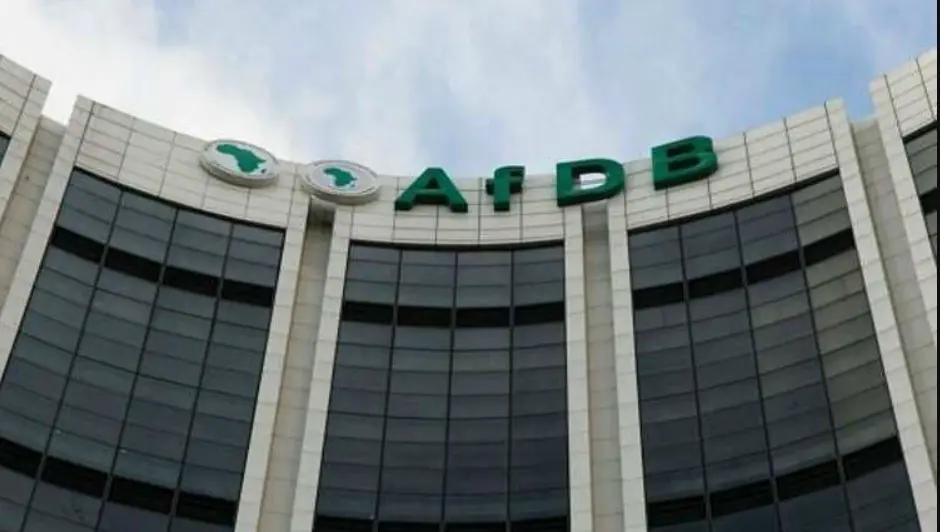
The African Development Bank (AfDB) has stated that African countries could save as much as $299 billion annually through improved public investment efficiency while unlocking trillions of dollars in development financing through stronger reforms and better domestic resource mobilisation.
- +Africa can save $299 billion yearly through efficient public investment — AfDB
The disclosure was contained in the 2026 African Economic Outlook (AEO) report released during the Bank’s Annual Meetings in Brazzaville.
The disclosure was contained in the 2026 African Economic Outlook (AEO) report released during the Bank’s Annual Meetings in Brazzaville.
Published under the theme, “Mobilizing Africa’s Development Financing at Scale in a Fragmented World,” the report highlighted both the continent’s growing fiscal pressures and the significant untapped opportunities capable of accelerating economic transformation and infrastructure development.
The AfDB report identified several major financing opportunities that could significantly strengthen Africa’s development capacity if properly harnessed.
The report described the low level of institutional investment in Africa as a major missed opportunity for the continent’s long-term development.
Despite global geopolitical tensions, supply chain disruptions, and tighter financial conditions, the AfDB projected that Africa would remain one of the world’s fastest-growing regions over the medium term.
The report also highlighted Africa’s widening development financing gap, estimating that the continent currently faces an annual shortfall exceeding $1.3 trillion needed to achieve the United Nations Sustainable Development Goals (SDGs).
According to the Bank, the financing gap is being worsened by weak domestic revenue mobilisation, rising debt pressures, illicit financial flows, shallow financial systems, and tighter global financing conditions.
The AfDB believes Africa has the financial potential to significantly narrow its development financing gap if governments deepen reforms and strengthen economic institutions.
In November, AfDB approved a $500 million loan to the Federal Government of Nigeria to finance the second phase of the Economic Governance and Energy Transition Support Programme.
As of 31 October 2025, the AfDB’s active portfolio in Nigeria consisted of 52 projects valued at $5.1 billion.