Government ahead of private sector in Nigeria’s procurement reforms — Gloopro CEO
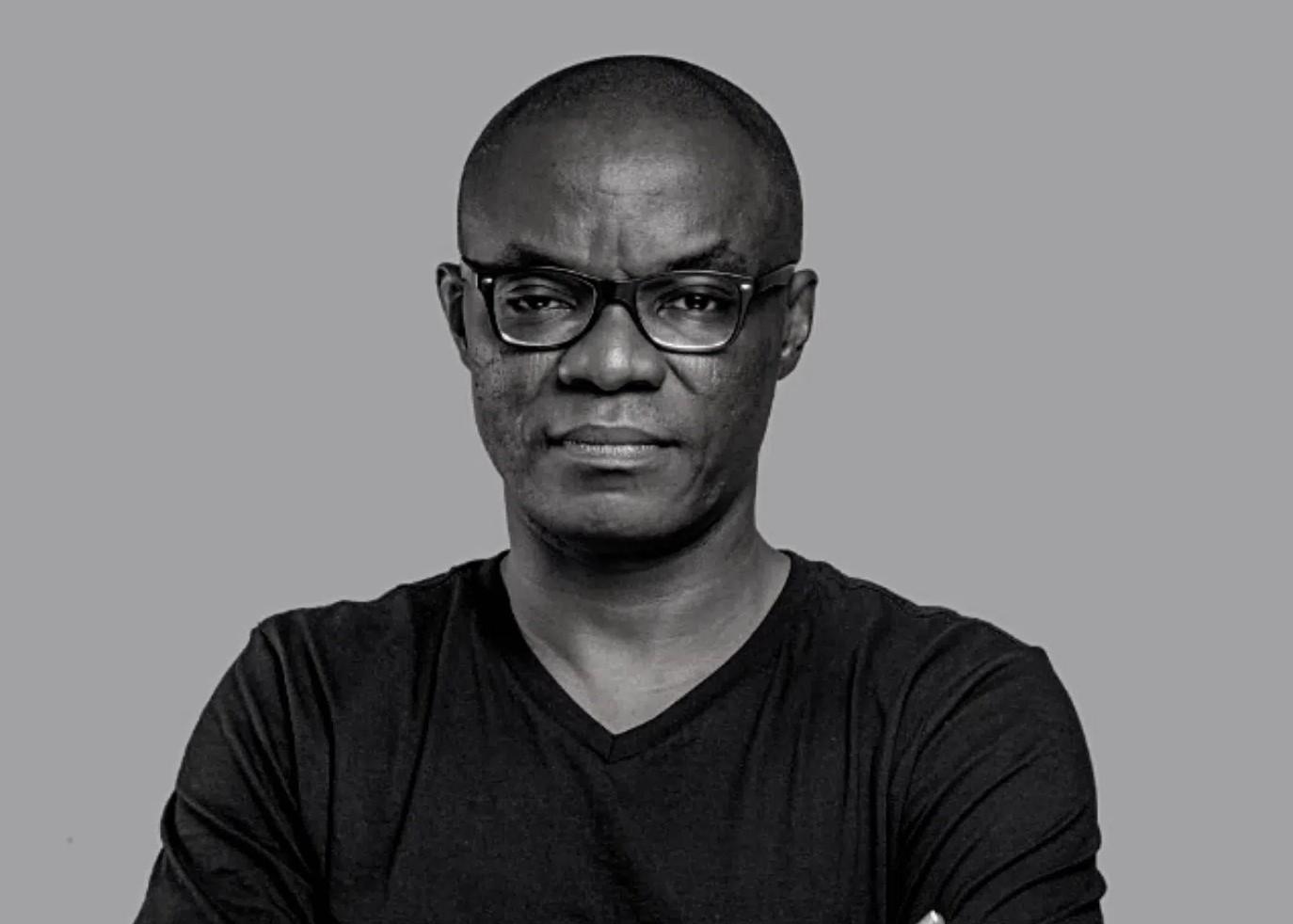
The Chief Executive Officer of Gloopro, Dr.
The Chief Executive Officer of Gloopro, Dr. Olumide Olusanya, has said Nigeria’s government institutions are currently ahead of the private sector in driving procurement reforms and digital transformation efforts.
Olusanya stated this during a media briefing held in Lagos ahead of the upcoming Digital Procurement Africa Summit, where he warned that Nigerian businesses risk falling behind globally if they fail to embrace digital procurement systems and structured supply chain processes.
According to him, procurement has evolved beyond routine purchasing into a strategic business function that directly impacts profitability, governance, operational efficiency and competitiveness.
Olusanya said it was unusual that the Nigerian government appeared to be taking procurement reforms more seriously than the private sector, noting that businesses are typically expected to lead innovation while governments follow.
He attributed the government’s stronger focus on procurement reforms partly to anti-corruption efforts and increasing demand for transparency in public spending.
According to him, agencies such as the Bureau of Public Procurement and procurement reforms introduced by the Lagos State Government have shown greater commitment toward digital procurement processes and transparency frameworks.
Olusanya said engagements with global procurement ecosystems revealed how far Nigeria and Sub-Saharan Africa still lag in digital procurement adoption and conversations.
He recalled attending the 2025 Procurement Strategies and Innovation Conference in the United Kingdom, where Lagos State was the only African government representation present.
According to him, the conference featured leading global procurement technology companies such as Amazon Business, SAP and Ivalua.
He explained that many global Enterprise Resource Planning systems, including those developed by SAP and Oracle, were designed for structured economies with formal supply chains, making implementation difficult in Africa’s fragmented and informal business environment.
Olusanya noted that weak procurement systems and poor data structures continue to prevent many African suppliers from integrating into global procurement networks.
According to him, digital procurement transformation can help formalise parts of Nigeria’s informal economy by creating traceable transaction histories for smaller suppliers.
He added that structured procurement systems could also strengthen local content implementation in sectors such as oil and gas while improving operational efficiency for multinational companies operating in Nigeria.
Olusanya disclosed that some organisations in Nigeria have already started deploying Artificial Intelligence-powered procurement technologies to improve efficiency and reduce delays.
According to him, procurement cycles that previously took up to 60 days have, in some cases, been reduced to just two days through automation and digital tools.
He, however, warned that AI adoption would remain ineffective without reliable procurement data.
Also speaking at the briefing, Ms. Remilekun Ibitoye, Corporate Communications Specialist at PRO ALLY, said the summit aims to create a platform for procurement executives, Chief Financial Officers and business leaders to discuss procurement transformation across Africa.
According to her, Africa can no longer afford to remain behind global markets in adopting technology-driven procurement systems.
Earlier this year, the Director-General of the Bureau of Public Procurement (BPP), Mr. Adebowale Adedokun said the ongoing procurement reforms in the country helped the Federal Government save more than N1.1 trillion between January and December 2025.
In addition to the cost savings, the bureau reported shorter contract approval timelines and stricter sanctions against erring contractors and non-compliant government officials.