Stakeholders demand policy action on women’s economic inclusion in mining, agriculture
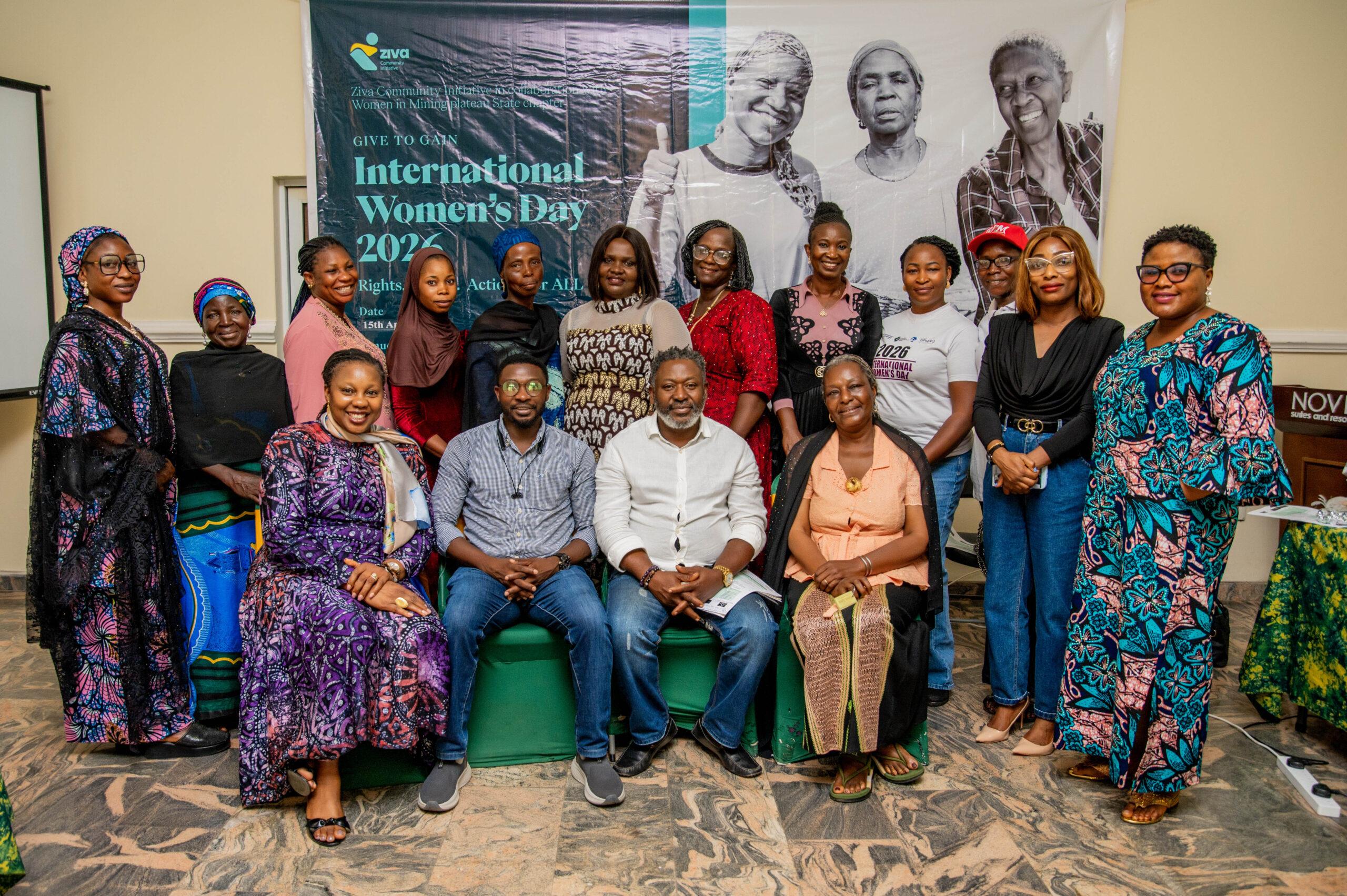
The call was made at a high-level roundtable convened in Jos by Ziva Community Initiative (ZCI) in partnership with Women in Mining, Nigeria, Plateau State Chapter, with support from Spring Nigeria and SRD Engaging Borders, to mark International Women’s Day 2026.
The call was made at a high-level roundtable convened in Jos by Ziva Community Initiative (ZCI) in partnership with Women in Mining, Nigeria, Plateau State Chapter, with support from Spring Nigeria and SRD Engaging Borders, to mark International Women’s Day 2026.
The event brought together women artisanal miners, agro-entrepreneurs, government officials, and development partners to address gaps in economic inclusion and governance across extractive and agricultural value chains.
Emily Offodile, executive director, ZCI, said discussions must translate into concrete outcomes that empower women beyond rhetoric.
She said women remain central to production systems but are largely excluded from the benefits, calling for stronger commitments to bridge the gap between participation and economic reward.
In a keynote address, Plangdat Dayil, gender and public policy analyst, said women’s labour in mining and agriculture remains “invisible but critical,” noting that systemic barriers continue to deny them fair value.
She identified limited access to finance, land ownership constraints, weak data systems, and exclusion from formal markets as key challenges.
Dayil called for gender-responsive budgeting, improved data capture, expanded financial access, and safer working conditions, stressing that equitable redistribution of value is essential for sustainable development in resource-rich communities
A panel session featuring Eucharie Onodu, member, WIMN; Talatu Goman, chief executive officer, Gomamty Global Services; Jackse Lean, director of administration, PLASMIDA; and Boniface Agbo, senior partnership manager, Seek Peace International, highlighted practical barriers faced by women across mining and agro-processing.
Panellists emphasised the need for inclusive policies, enterprise support, and capacity development to strengthen women-led businesses.
Participants also shared field experiences during an interactive session, detailing challenges ranging from unsafe working conditions to limited access to credit and markets.
A key outcome of the meeting was a commitment session where stakeholders pledged mentorship, policy advocacy, and financial and technical support to advance women’s economic empowerment.
The roundtable ended with a call for sustained collaboration and accountability mechanisms to ensure that commitments deliver measurable impact. Holders demand policy action on women’s economic inclusion in mining, agriculture