Afreximbank approves $10bn to ease impact of Iran war on African, Caribbean economies
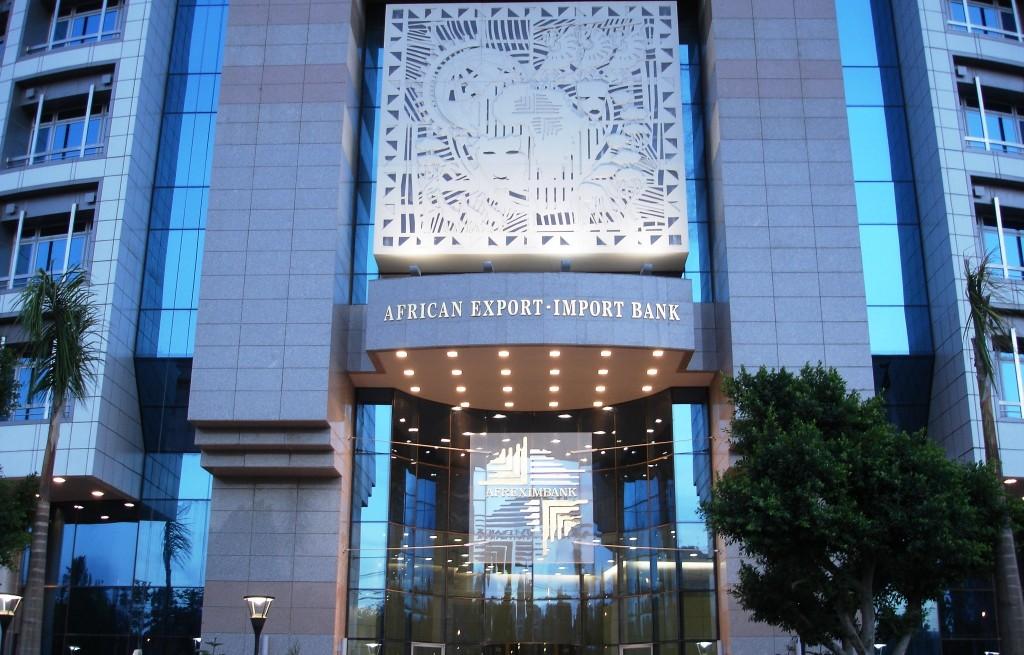
The African Export-Import Bank (Afreximbank) has approved a $10 billion facility to cushion the economic impact of the ongoing Iran war on African and Caribbean economies.
The African Export-Import Bank (Afreximbank) has approved a $10 billion facility to cushion the economic impact of the ongoing Iran war on African and Caribbean economies.
The development was disclosed in a statement signed by Vincent Musumba, the bank’s Communications and Events Manager, and released on Tuesday, April 7.
Named the Gulf Crisis Response Programme (GCRP), the facility is designed to support vulnerable member states by sustaining essential imports such as fuel, liquefied natural gas (LNG), food, fertiliser, and pharmaceuticals through the provision of short-term foreign exchange and liquidity.
Afreximbank said the fund is a necessary intervention to ease economic pressure caused by the ongoing war between Iran and a combined force of Israel and the United States, which has disrupted energy supply routes and impacted several oil-producing nations in the Gulf region.
The bank noted that the programme aligns with its core mandate of supporting member states during periods of economic disruption.
It added that the initiative will help countries navigate current challenges while building stronger, more resilient economies for the future.
He also commended the bank’s board for swiftly approving the intervention programme.
As part of the GCRP, Afreximbank has begun working with banks and corporates to secure supplies of fuel, energy products, fertiliser, and essential food items disrupted by the prolonged crisis.
Beyond financing, the bank plans to coordinate a regional response in collaboration with key institutions, including the UN Economic Commission for Africa (UNECA), African Union Commission (AUC), African Continental Free Trade Area (AfCFTA) Secretariat, and the Caribbean Community (CARICOM) Secretariat, to strengthen energy security, trade resilience, and supply chain diversification.
The initiative builds on Afreximbank’s track record of crisis interventions, including support during the 2015/16 commodity shock, the COVID-19 pandemic, and the 2023/24 Ukraine crisis.
Notably, the bank previously launched a $4 billion Ukraine Crisis Adjustment Trade Financing Programme for Africa, under which it disbursed $39 billion to help countries bridge liquidity gaps and access essential goods.
The $10 billion programme comes just seven days after Afreximbank secured $2 billion through a three-year dual-tranche syndicated term loan facility, its largest syndicated borrowing to date.
The bank said the five-year facility, arranged alongside Access Bank as co-mandated lead arrangers, is aimed at refinancing existing debt, optimising the refinery’s capital structure, and aligning its financing with current operational realities.