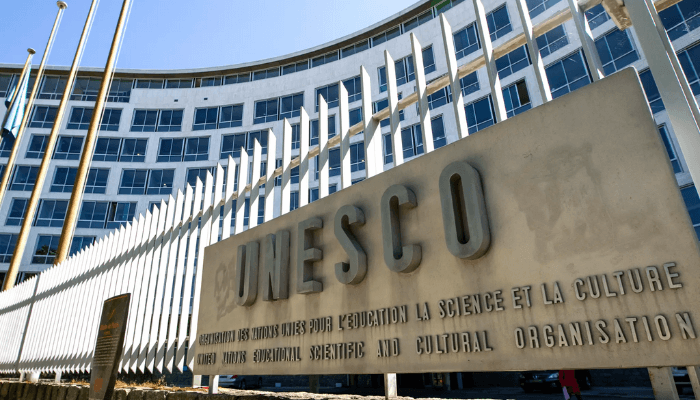
UNESCO, Japan support teacher training with ICT equipment for 15 Nigerian colleges
…initiative targets improved learning outcomes, girls’ education and digital teaching capacity
…initiative targets improved learning outcomes, girls’ education and digital teaching capacity
The Federal Government has concluded arrangements to hand over Information and Communication Technology (ICT) equipment and materials to 15 Federal and State Colleges of Education across Nigeria under a Japan-funded education support programme aimed at strengthening teacher capacity and improving learning outcomes.
The handover ceremony, scheduled for June 2, 2026, in Abuja, is part of “The Project for Capacity-building of Teachers to Promote Continuous and Inclusive Access to Safe and Quality Education for Girls in West Africa,” funded by the Government of Japan through the UNESCO International Institute for Capacity Building in Africa (UNESCO-IICBA).
According to the Federal Ministry of Education, the intervention represents a strategic investment in Nigeria’s education system. It underscores the commitment of development partners to enhancing teacher quality, promoting innovative teaching methods, and expanding inclusive learning opportunities, particularly for girls.
The project seeks to address key educational challenges facing countries in West Africa, including low educational attainment, high rates of out-of-school children, learning poverty, gender inequality, and the shortage of qualified teachers.
The initiative, which covers six West African countries, aims to accelerate progress toward achieving quality education through gender-responsive and conflict-sensitive education systems while strengthening teacher professional development and institutional capacity.
As part of the intervention, beneficiary institutions will receive a range of ICT equipment, including 65 laptop computers with carrying cases, 71 tablets, four desktop computers, five interactive smart boards, 19 all-in-one desktop computers, 14 projectors, 15 printers, and 15 backup hard drives.
The beneficiary institutions include Federal College of Education, Kontagora; Federal College of Education, Zaria; Federal College of Education (Technical), Gombe; Federal College of Education, Yola; Federal College of Education (Technical), Asaba; Federal College of Education (Special), Oyo; Federal College of Education (Technical), Umunze; College of Education, Zuba, FCT;
Isaac Jasper Boro College of Education; Enugu State College of Education (Technical); Sa’adatu Rimi College of Education, Kano; Adamu Augie College of Education, Argungu; Shehu Shagari College of Education, Sokoto; Adamawa State College of Education, Hong; and Taraba State College of Education, Zing.
The project is being implemented in collaboration with the African Union International Centre for the Education of Girls and Women in Africa (AU/CIEFFA) and the African Union Education, Science, Technology and Innovation (ESTI) team in Addis Ababa, Ethiopia.
Beneficiaries also include the Federal Ministry of Education, teacher educators, school inspectors, and primary and secondary school teachers across the country.
According to a statement by the ministry, the intervention will significantly improve the educational landscape for girls by increasing the number of qualified teachers, expanding the use of digital technologies in classrooms, enhancing teaching quality, and fostering safer and more inclusive learning environments.
The adoption of gender-responsive and conflict-sensitive pedagogies is also expected to improve school retention rates and learning outcomes for female students, particularly in underserved and conflict-affected communities.
Implementation strategies under the project include intensive teacher training, introduction of school safety guidelines, upgrading infrastructure in teacher training institutions, provision of digital learning tools, and the establishment of knowledge-sharing platforms to support evidence-based policymaking.
Meanwhile, UNESCO-IICBA and the Government of Japan have announced additional education-focused initiatives to support vulnerable learners and communities affected by crises.
One of the initiatives, titled “Empowering Female Teachers and School Leaders in Crisis