In Nigeria’s expanding recycling sector, effective recycling depends more on coordinated systems that involve formal and informal players across the value chain than on the adoption of technologies alone.
- +Fragmented systems stall Nigeria’s recycling gains despite rising innovation
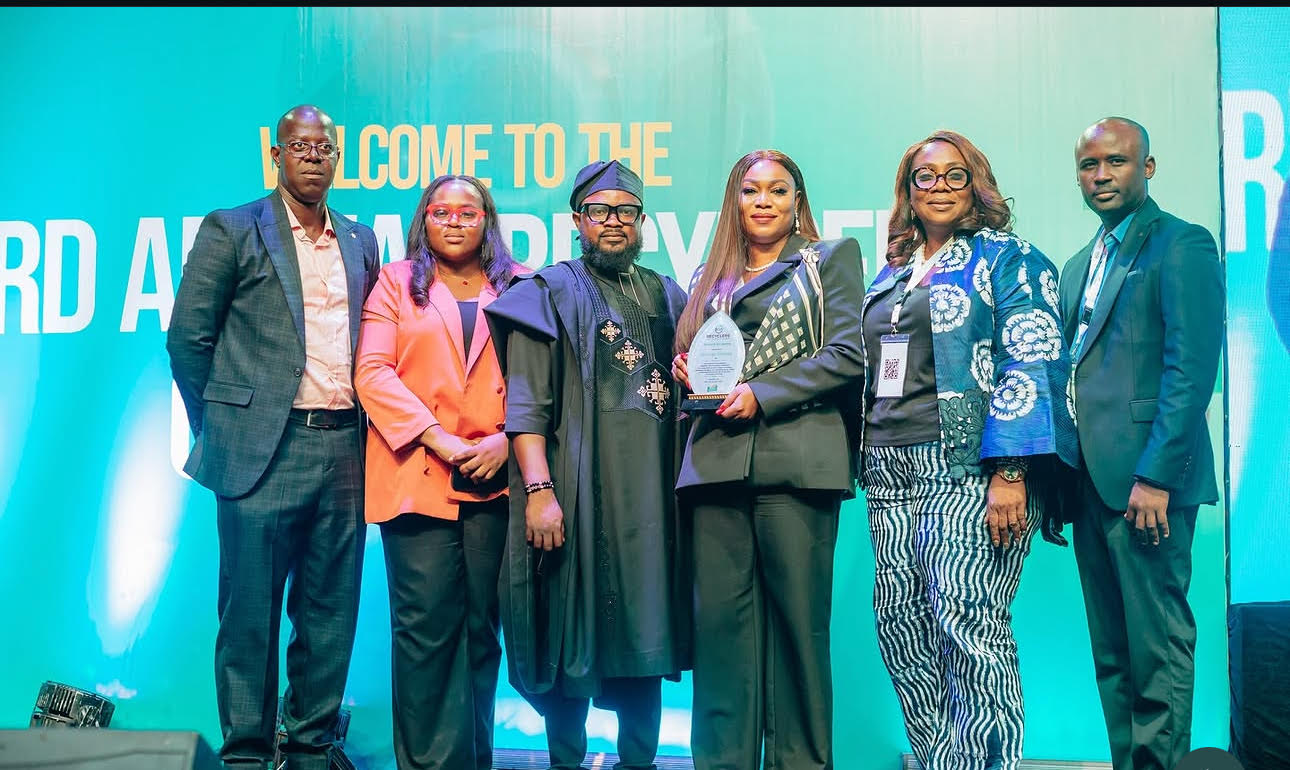
Environmental stakeholders reiterated at the 3rd Recyclers Association of Nigeria (RAN) annual conference on Friday that, despite the expansion of technology adoption in recycling processes, every player, including those in the informal sector, must be integrated into the system.
Environmental stakeholders reiterated at the 3rd Recyclers Association of Nigeria (RAN) annual conference on Friday that, despite the expansion of technology adoption in recycling processes, every player, including those in the informal sector, must be integrated into the system.
Recycling is a growing industry in Africa’s most populous nation, driven by circular economy initiatives, corporate sustainability and waste-to-wealth startups aiming to tackle low plastic recycling rates. While industry growth offers strong profitability, much of the sector relies on informal collection. This is leading to a disconnect in the industry.
During a panel session on ‘Harnessing Emerging Technologies in Recycling: Unlocking Opportunities, Navigating Challenges, and Charting Pathways for a Sustainable Future’, Boluwatife Aiyepoola, chief executive officer of Resourrect, described the industry as “emerging”.
According to her, technology is not about efficiency, but it is shaping how people respond to recycling. She noted that it is easier for Nigerians to recycle when systems are accessible and modern.
“A large portion of recycling, especially materials like aluminium, happens outside formal systems and through informal waste pickers and collectors,” Aiyepoola said. “Any recycling strategy that ignores the informal sector will fail; this is why integration and not replacement is necessary.”
Data shows that the waste recycling sector currently has an estimated market size of roughly $40 billion. It is forecast to grow to about $100 billion in the coming years.
Currently, Nigeria generates over 65 million tons of waste annually, with a recycling rate of just 2 percent, highlighting a vast opportunity for expansion.
Harold Ocunobo, president of RAN, disclosed that the association represents over 250 registered recycling businesses and supports more than 25,000 jobs across the country.
He explained that the numbers tell a powerful story. “Recycling is not merely an environmental imperative,” he said. “It is an economic engine, a source of dignity and a livelihood for thousands of Nigerians and a pathway to sustainable development.”
Nigeria’s limited recycling infrastructure presents a prime opportunity for investors to capture a significant share of a rapidly expanding market. However, all these will depend on how many informal players are captured in the recycling process.
The recycling stakeholders emphasised the role of collaboration in building working systems capable of boosting recycling habits in Nigerians. According to them, no single actor can fix the system alone without support from the government, private sector, providers, and associations.
Chukwuma Ndigwe, recycling lead at GZ Industries, disclosed that his firm is currently considering installing various systems to “grab the informal sector.” He said, “Better systems can unlock high-value recycling markets.”
As a country of over 200 million people, with rapidly growing cities, expanding consumption and increasing pressure on infrastructure, the speakers noted that it is important to rethink how waste is produced, consumed, recovered, reused, and regenerated.
Omotenioye Majekodunmi, director-general of the National Council on Climate Change, said during her keynote address that the circular economy is not simply about cleaning up the environment. For her, “waste is not waste. It is stored value.”
The circular economy, she noted, is about building a new economic system that reduces waste, lowers emissions, creates jobs, supports manufacturing and attracts investments
“This is why the work of recyclers is so important. We are not just collecting paper, metal, glass or waste. You are helping Nigeria reduce emissions, protect communities, create livelihoods and conserve resources and demonstrating that climate action can be practical, local and economically meaningful,” she said.
Majekodunmi noted that RAN’s mission aligns strongly with the mandate of the National Council on Climate Change.
“That mandate includes supporting actions that reduce emissions, strengthen resilience, promote green growth and ensure that Nigeria’s transition is fair, inclusive and economically productive. Recycling sits squarely within this mandate,” she explained.
The event brought together members of RAN, representatives from across different states, including Osun and Edo. It ended with an award presentation to members with impressive track records.