Blackouts spark power bank market boom despite trillions sunk into electricity sector
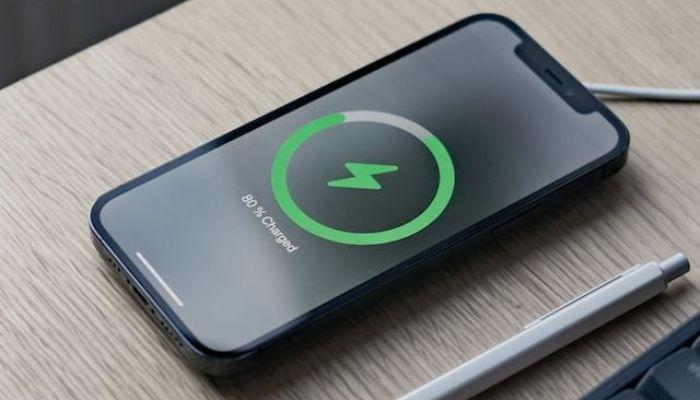
From government offices to markets, churches, mosques, hospitals, airports and schools, Nigerians carrying power banks alongside mobile phones have become a common sight, underscoring the country’s worsening electricity crisis despite trillions of naira spent on the sector since 1999.
From government offices to markets, churches, mosques, hospitals, airports and schools, Nigerians carrying power banks alongside mobile phones have become a common sight, underscoring the country’s worsening electricity crisis despite trillions of naira spent on the sector since 1999.
Across major cities including Abuja, Lagos, Kano, Port Harcourt and Enugu, demand for power banks has surged as households and businesses grapple with erratic electricity supply and repeated grid collapses.
Top government officials, including governors, ministers, lawmakers, diplomats and businessmen, now move around with power banks to keep their devices functional.
Eyewitnesses said Adebayo Adelabu, the immediate past Minister of Power, was seen at several official engagements carrying a power bank and charging cable.
Comfort Oche, a university student, said prolonged blackouts had disrupted studies and forced students to depend heavily on power banks. “Some students now contribute money collectively to buy the devices because many cannot afford them individually,” she said.
Bashir Abubakar, a power bank dealer in Nyanya, Abuja, said prices had risen sharply, with some 22,000mAh models selling for about N27,000, while premium brands cost over N50,000.
Dan Kunle, a power sector expert, blamed the worsening crisis on years of frozen electricity tariffs and mounting sector debts, while Kola Olubiyo, another power sector expert, said gas producers were owed about N6 trillion for supplies to thermal plants.
Since Nigeria’s return to democratic rule in 1999, successive administrations have committed enormous resources to fixing the country’s troubled electricity sector, yet stable power supply has remained largely elusive.
Former President Olusegun Obasanjo reportedly spent about $16 billion on power projects, making it one of the most controversial public investments in the nation’s history due to the limited improvement recorded.
His administration also introduced the Electric Power Sector Reform Act in 2005, which unbundled the defunct NEPA into successor companies. Despite the reforms, electricity supply remained erratic, while allegations of mismanagement trailed some projects.
Under Goodluck Jonathan, the federal government privatised the power sector in 2013, transferring generation and distribution companies to private investors. Since then, analysts estimate that over N7 trillion has been spent on bailouts, subsidies and intervention funds aimed at reviving the sector.
The administration of late former President Muhammadu Buhari secured multi-billion-dollar loans for transmission upgrades, including the $2.3 billion Siemens power deal signed in 2018.
President BolaTinubu has also prioritised reforms, approving a N3.3 trillion repayment plan in 2026 to settle longstanding debts in the power sector.