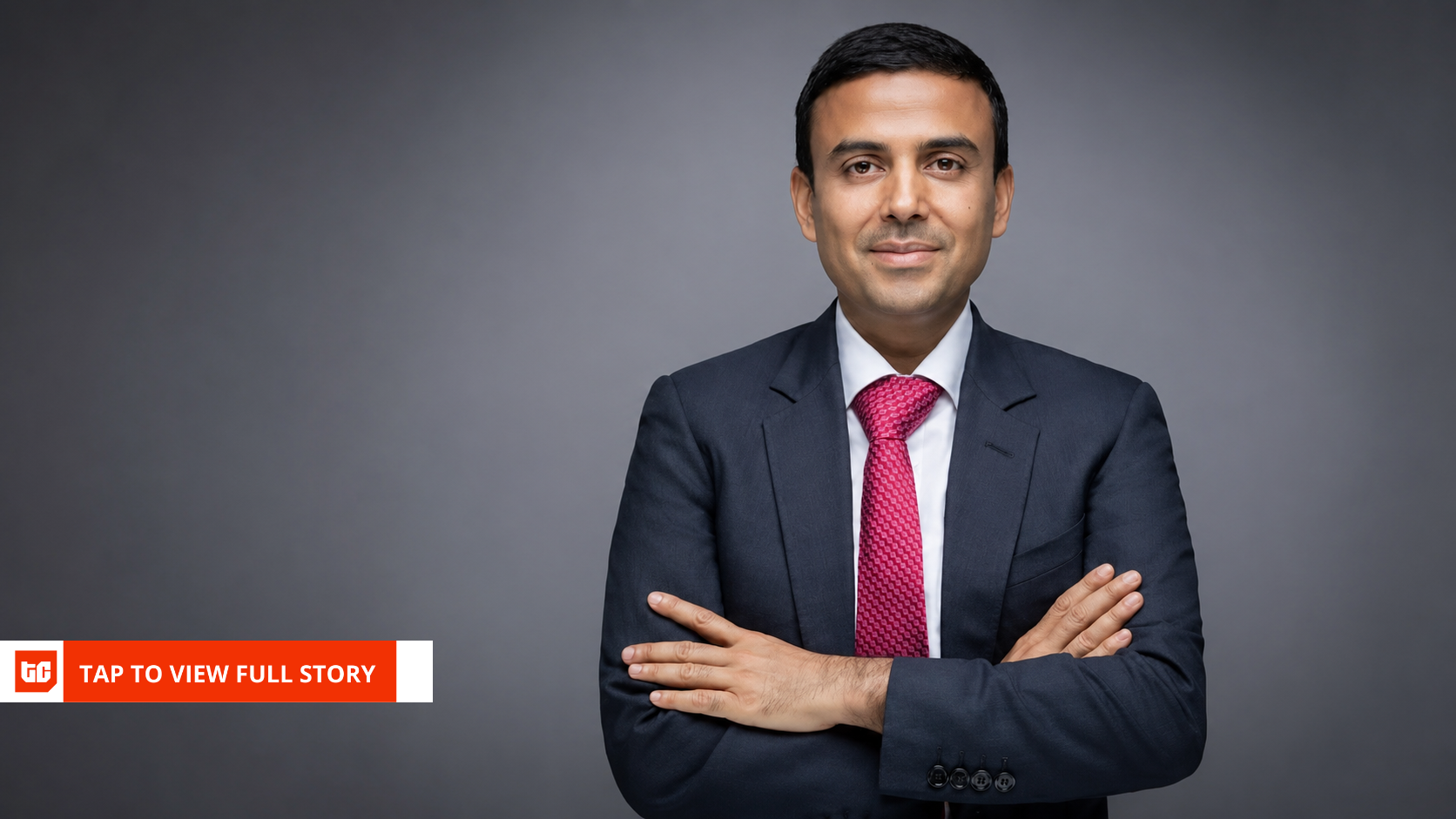
On June 1, Spiro, the electric motorcycle startup, announced a $215 million funding round, one of the largest capital raises ever secured by an African mobility company. The figure grabbed headlines, but the company’s plans for the capital offer the clearest insight into how it sees its future.
- +Why Africa’s most-funded EV startup is thinking beyond motorcycles
Across Africa’s tech ecosystem, investors have become more demanding about business fundamentals.
Across Africa’s tech ecosystem, investors have become more demanding about business fundamentals. Growth remains important. However, investors now want clearer evidence that startups can generate sustainable revenue, move towards profitability and maintain sound economics as they scale.
Spiro’s latest strategy speaks directly to that shift. The company still earns most of its revenue from selling electric motorcycles, yet it spends far more time talking about batteries, swap stations and energy infrastructure than motorcycles.
Few mobility startups have consistently attracted capital. Spiro has now raised more than $500 million through a combination of debt and equity financing, including a $50 million facility from Afreximbank, a $100 million funding round announced in 2025, and the latest equity raise led by Impact Fund Denmark and Equitane.
In a statement to TechCabal on Tuesday, Gagan Gupta, the company’s co-founder and chairman, described a business focused on expanding battery capacity, growing its swapping network and building energy services around it. Motorcycles remain the main source of revenue, but batteries and swap stations dominate the growth strategy.
“Spiro’s revenue mix today is primarily driven by vehicle sales, with energy services, operations and maintenance contributing the remaining share,” Gupta said.
Spiro is clear about where its revenue comes from today. Vehicle sales generate the largest share of the company’s revenue—Spiro declined to disclose the figures—while energy services, operations and maintenance account for the remainder. The revenue mix reflects the company’s current stage of development, with motorcycle adoption still growing before battery-swapping services can generate meaningful demand.
“Vehicle sales serve as the entry point for market adoption, but as fleet density increases, energy demand scales in a compounding manner and with it, the recurring, high-margin revenue profile that defines infrastructure businesses,” Gupta told TechCabal.
Gupta’s comments help explain how Spiro views the relationship between its vehicles and its infrastructure. The motorcycles bring riders onto the platform. The battery-swapping network is designed to generate ongoing activity after the initial sale.
That model differs from that of a traditional vehicle manufacturer, where revenue is largely tied to unit sales. Spiro’s approach depends on building a network that riders repeatedly return to. Every additional vehicle deployed creates another potential user of the company’s battery-swapping infrastructure.
The company expects the balance of revenue to evolve, declining to disclose its revenue from battery swaps or provide projections for when energy-related activities could rival vehicle sales. Revenue today remains tied primarily to getting more motorcycles on the road.
“While we do not disclose market-level payback data at this stage, we can confirm that our most mature markets are already demonstrating the utilisation trajectory consistent with the target unit economics,” Gupta said.
The latest funding round will not be used to launch a new business or test a new market.
According to Gupta, previous funding rounds enabled the company to establish its platform, validate product-market fit and build operational capacity for growth. The latest raise is intended to accelerate the expansion of the infrastructure already in place.
The new capital will be used to expand battery capacity, roll out more swap stations, deepen the company’s presence in existing markets and support further localisation of manufacturing. The plan is notable for what it does not include. Gupta did not point to a new product category, a major technology shift or a new business model. The focus remains on expanding the existing network.
Spiro says it has deployed more than 2,500 battery-swapping stations across Africa. Gupta argues that scale matters because riders need confidence that energy will be available wherever they operate. The company refers to this as “rider anxiety”—the hesitation to switch to electric motorcycles when access to battery-swapping services remains uncertain.
Commercial motorcycle riders earn money only when they are moving. A battery that runs out far from a swap station can lead to lost trips and income. Spiro argues that a dense network reduces much of that uncertainty, making electric motorcycles a more practical option for riders who depend on them for daily earnings.
The latest funding round is built around that premise: rather than pursuing a new line of business, Spiro is directing fresh capital towards expanding battery capacity and extending the reach of its swapping network.
Africa’s electric motorcycle sector is attracting a growing number of startups, drawn by a simple calculation. Some estimates put Kenya’s boda boda operators at three million, who spend a large share of their daily earnings on fuel. That has created an opportunity for companies that can offer a cheaper alternative without sacrificing convenience. The result has been a wave of investment into electric motorcycles, battery-swapping networks and the infrastructure needed to keep them running.
Besides Spiro, startups such as Ampersand, Roam and ARC Ride are also building businesses around electric two-wheelers, with many relying on battery-swapping networks to address charging constraints and reduce operating costs for riders.
Despite differences in approach, these companies are pursuing the same objective: lowering fuel costs, reducing downtime and making electric motorcycles practical for commercial transport.
Where Spiro stands apart is the amount of capital it has raised. Ampersand, one of the region’s best-known electric motorcycle companies, has raised over $43 million to expand its fleet, battery-swapping network and charging infrastructure across East Africa. Roam has raised nearly $32 million to expand production of electric motorcycles and buses.
Spiro, by contrast, has now secured more than $500 million in debt and equity financing, giving it significantly more firepower to build infrastructure across multiple markets at the same time.
The size of that opportunity helps explain the investor interest. Motorcycle taxis form the backbone of transport in many African cities, while rising fuel costs continue to squeeze rider incomes. Companies that can lower those costs and build reliable energy networks are competing for a market measured not just by vehicle sales but by the daily movement of millions of riders and passengers across the continent.