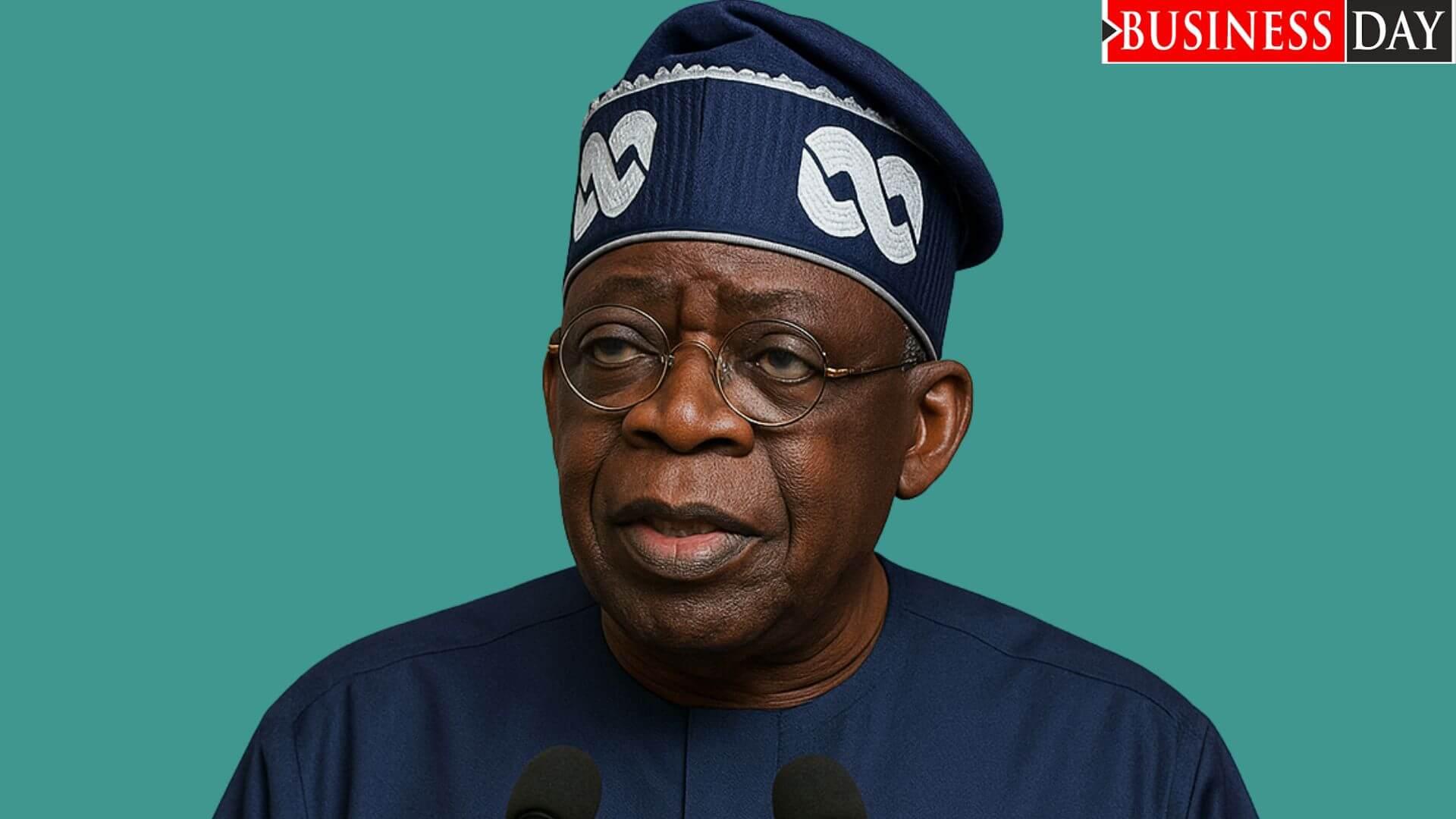
President Tinubu unveils UNESCO’s first global media, information literacy institute
Nigeria has taken a significant step onto the global stage with the unveiling of its first institute dedicated to media and information literacy.
Nigeria has taken a significant step onto the global stage with the unveiling of its first institute dedicated to media and information literacy.
President Bola Tinubu officially launched the International Media and Information Literacy Institute (IMILI), the world’s first UNESCO Category 2 Institute dedicated to Media and Information Literacy, in Abuja, on Wednesday.
The initiative signals a growing recognition of the need to equip citizens, especially young people, with the skills to navigate an increasingly complex digital information landscape.
President Tinubu, represented by George Akume, the secretary to the government of the federation (SGF), stated that the event marks a significant milestone for Nigeria, Africa, and the global community in the collective effort to combat misinformation and disinformation and to promote responsible communication in an age of unprecedented information access.
“This is a historic moment, not only for Nigeria and Africa, but for the global community. Today, we open the first UNESCO Category 2 Institute for Media and Information Literacy anywhere in the world, at a time when the need for it has never been greater.”
Tracing the journey to the Institute’s establishment, the President highlighted Nigeria’s commitment since hosting the 10th Global Media and Information Literacy Week in 2022 and fulfilling the pledge to create IMILI.
At a time when misinformation spreads rapidly and digital platforms shape public opinion, the institute is positioned as a timely intervention.
Beyond its symbolic importance, the new institute reflects Nigeria’s ambition to become a leader in fostering critical thinking, responsible media consumption, and digital resilience. By promoting media literacy at both national and international levels, the initiative could strengthen democratic participation, support informed decision-making, and create new opportunities for collaboration in the global knowledge economy.
He recognised the dedication of government officials, Nigeria’s Ambassador to UNESCO, and the unanimous endorsement by all 194 UNESCO Member States at the 43rd General Conference in Samarkand.
President Tinubu emphasised the urgent need for Media and Information Literacy (MIL) as a critical tool for responsible information use: “Misinformation spreads rapidly. Disinformation is used to divide communities and weaken institutions. Hate speech fuels conflict.
The line between fact and falsehood is increasingly blurred, often deliberately. These are global challenges that affect every society. This is why IMILI is not optional; it is essential.”
He also outlined the Federal Government’s concrete support for IMILI, including funding, institutional backing at the National Open University of Nigeria, and collaboration with UNESCO on legal and operational frameworks.
Reaffirming Nigeria’s leadership, the President called upon all citizens, especially young people, to embrace media literacy as a cornerstone for national development and global progress.
“Let this Institute stand as a beacon of truth, critical thinking, and responsible communication,” the President’s address concluded. “It is my honour to formally declare the International Media and Information Literacy Institute (IMILI) officially launched.”
The Honourable Minister of Information and National Orientation, Mohammed Idris, in his welcome address, echoed the significance of the occasion, highlighting IMILI as a testament to Nigeria’s readiness to lead in promoting informed citizenship and safeguarding information integrity. He recognised the contributions of key partners, staff, and international collaborators, and reaffirmed the government’s commitment to IMILI’s autonomy, sustainability, and global excellence. “The establishment of IMILI positions Nigeria at the forefront of global efforts to build resilient knowledge systems, foster critical engagement with the digital environment, and advance freedom of expression and access to information.
IMILI will serve as a global hub for research, capacity building, and policy dialogue, welcoming educators, journalists, policymakers, and young leaders from around the world,” said the Minister.
Suwaiba Ahmed attended the milestone event; the Minister of State for Education; Binyerem Ukaire, the permanent secretary, Federal Ministry of Information and National Orientation, and Hajo Sani, Nigeria’s permanent representative to UNESCO, among others.