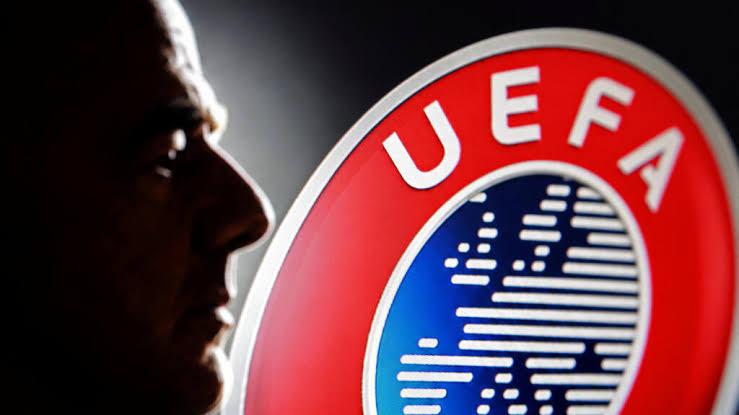
Pressure on FIFA president Gianni Infantino intensified on Saturday after UEFA declared it had lost confidence in the governing body’s leadership, following the collapse of the controversial plan to sell a stake in the commercial rights of the FIFA World Cup to private investors.
- +UEFA declares no confidence in Infantino’s FIFA leadership
- +“We must identify those responsible and hold them to account.”
The unprecedented rebuke came hours after FIFA abandoned its proposal to establish a $20 billion commercial entity that would have allowed external investors to acquire minority stakes in the World Cup and other major FIFA competitions.
The unprecedented rebuke came hours after FIFA abandoned its proposal to establish a $20 billion commercial entity that would have allowed external investors to acquire minority stakes in the World Cup and other major FIFA competitions.
European football’s governing body said the withdrawal of the proposal was only the beginning of a broader effort to restore confidence in FIFA’s governance.
“The current FIFA leadership has not only lost UEFA’s confidence but also that of many other members of the football family,” UEFA said in a statement as quoted on African News.
The organisation added that it would work with its member associations and other continental confederations to examine how the proposal emerged and ensure a similar situation does not happen again.
“We must identify those responsible and hold them to account.”
Opposition to Infantino’s leadership also spread beyond Europe, with Concacaf calling for greater accountability within FIFA.
The confederation said the proposal reflected deeper governance concerns rather than an isolated incident.
“A proposal of this magnitude does not reach that stage by accident. It is a symptom of leadership that has stopped putting football first,” Concacaf said.
“This recent unilateral and egregious act of poor governance and leadership follows a pattern of missteps and similar behaviour. A full review of this leadership must now take place.”
The regional body added that football leaders have “a duty of service over power” and insisted accountability should not be optional.
The Asian Football Confederation (AFC) also distanced itself from the proposal, with president Sheikh Salman bin Ibrahim Al Khalifa stressing that major decisions affecting world football must be taken collectively.
“The future of global football must always be shaped through proper consultation, collective dialogue and respect for the established governance structures of our game,” he said.
Infantino’s proposal sought to create a new company valued at $20 billion to manage FIFA’s commercial rights, with private investors purchasing minority stakes in exchange for billions of dollars in funding.
However, the plan faced mounting resistance after UEFA’s 55 member associations threatened to boycott the FIFA World Cup and all other FIFA competitions if it proceeded.
Concacaf and the AFC later joined UEFA in opposing the proposal, leaving FIFA isolated and ultimately forcing the governing body to withdraw the initiative.
The collapse of the World Cup investment proposal has triggered one of the most significant governance crises of Infantino’s presidency, with growing calls from football’s leading confederations for greater transparency, accountability and reforms within FIFA.