There is something I have come to understand after years of working around power systems and watching how electricity affects real businesses and homes across Nigeria.
- +Nigeria’s sun is not the problem — our delay is
Nigeria does not suffer from a lack of sunlight.
Nigeria does not suffer from a lack of sunlight.
And honestly, if you have lived anywhere from Lagos to Abuja, Port Harcourt to Kano, you already know exactly what that delay feels like. It shows up in noise, in fuel receipts, in frustration — sometimes even in lost opportunities.
The sun does not fail Nigeria. We fail to use it. Every morning, the sun rises across our cities, from the busy streets of Ikeja to the markets of Aba, from farms in Benue to growing neighborhoods in Abuja. It shines for hours, strong and dependable. Experts have already confirmed that Nigeria receives about 5 to 7 hours of useful sunlight daily, one of the strongest solar exposures in the world.
Yet somehow, we still behave like power is scarce. Let me share something simple but very real with you.
Not long ago, I stopped at a small cold-store business in Lagos; the kind you see in many neighborhoods. The owner had just bought a fresh stock of frozen chicken. Power had been unstable all week, and diesel prices had increased again.
He told me quietly, almost like he was tired of repeating himself, “Oga, if this light no come today, I go lose everything.” That moment stayed in my memory because that was not a theory but surely a survival state.
And to be honest, sometimes I still catch myself wondering why we waited this long. Not because the technology is new — it isn’t — but because the problem has been staring at us for decades. I remember one evening, sitting outside during a blackout, generator noise from different houses competing like some strange orchestra, and I thought to myself, this cannot be the best we can do as a country. If we are being honest with ourselves, this generator life has become too normal; and truthfully, it should not be.
I have also lived through the long fuel queues; the kind that stretches beyond the filling station into the main road, blocking traffic, wasting hours, and draining patience. You carry jerrycans in the boot, hoping the supply has not finished before your turn. That cycle has become so common that many Nigerians now see generator noise as a normal background sound. But it should not be normal, honestly.
Countries with less sunlight than Nigeria have already embraced solar power at scale. Meanwhile, Nigeria, a country blessed with sunlight almost year-round, still treats solar energy like backup instead of strategy. Solar energy is not perfect, but it is practical. It is predictable. And most importantly, it belongs to us.
Organizations like the Rural Electrification Agency and regulatory bodies such as NERC have already begun laying groundwork for decentralized energy and mini-grid expansion. But progress must accelerate.
From my own professional involvement in solar and power-related solutions, I have seen the difference that proper system design makes.
When sizing is accurate and components are properly matched, performance becomes reliable; and reliability is what Nigerians truly want. Think about the ripple effect if Nigeria commits fully to solar systems. Businesses will stay open longer without fear of fuel shortages. Students study without interruption. Hospitals maintain life-saving equipment reliably. Markets remain productive; whether in Mile 12, Aba Market, or Wuse Market.
Maybe the truth is, we delayed not because we lacked ideas, but because we kept waiting for the perfect time and perfect time rarely comes. Nigeria does not need to wait for electricity freedom. Electricity freedom has been shining over our land for generations. The real question now is not whether solar can power Nigeria. The real question is whether Nigeria is finally ready to stop delaying what has always been possible.
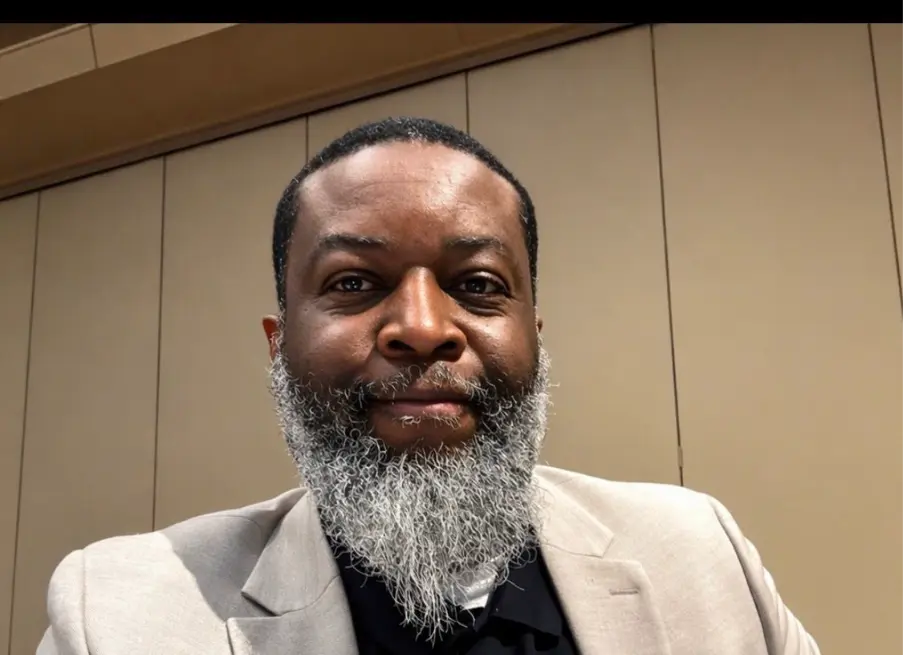
Bome Ojoboh is a power and infrastructure professional with hands-on experience in solar and energy solutions across residential and commercial environments. He writes about practical energy adoption, infrastructure growth, and sustainable development in emerging markets.