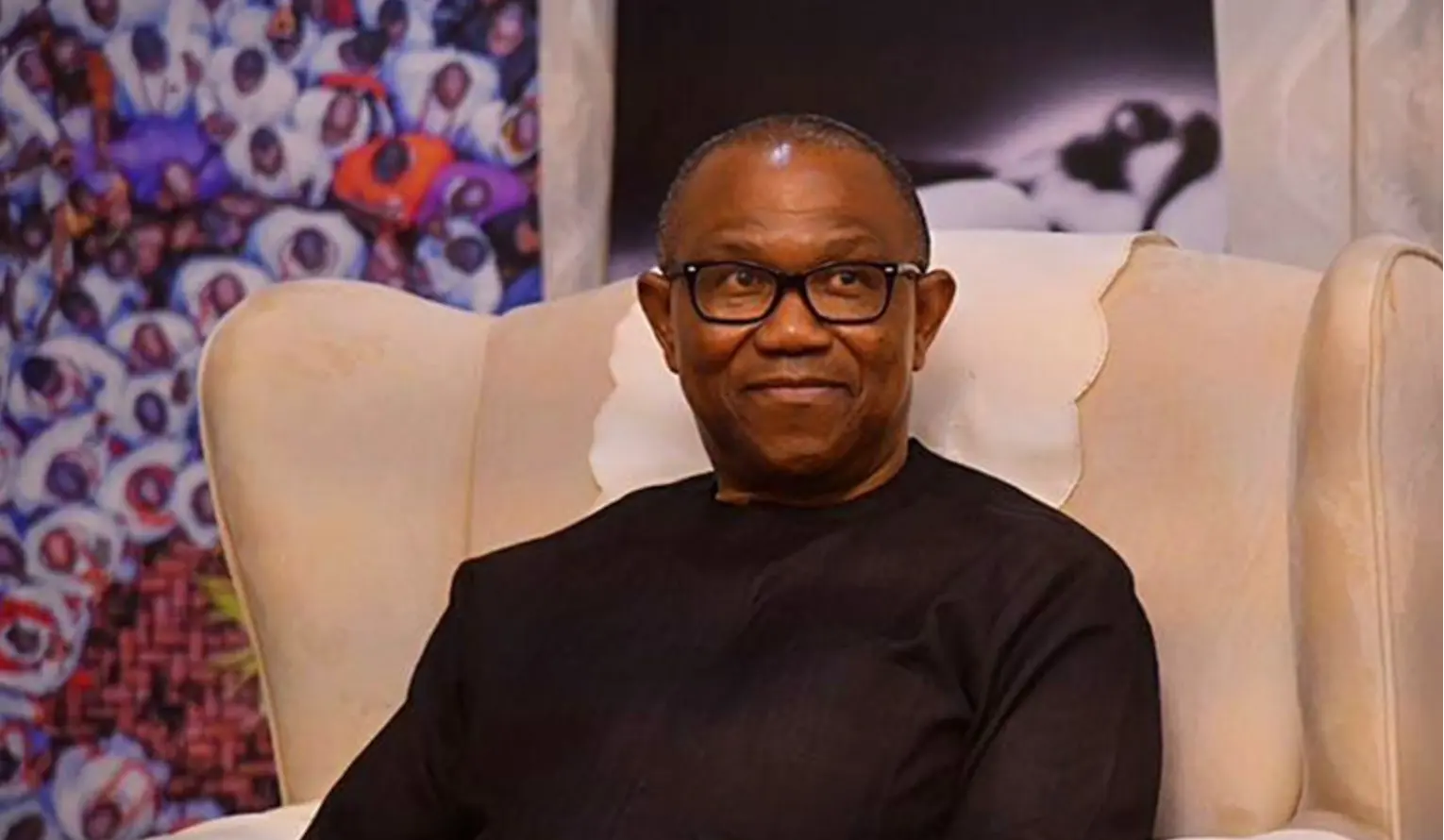
N3.3 trillion: Peter Obi questions Tinubu’s ‘repeated’ power sector debt settlments
Peter Obi, former Governor of Anambra State, has challenged the administration of President Bola Tinubu over what he described as repeated approval of funds to settle debts in Nigeria’s power sector, raising concerns about transparency and execution.
Peter Obi, former Governor of Anambra State, has challenged the administration of President Bola Tinubu over what he described as repeated approval of funds to settle debts in Nigeria’s power sector, raising concerns about transparency and execution.
Obi said this in a post he made on X, formerly Twitter, on Tuesday, April 7, 2026.
The development comes days after the Federal Government of Nigeria announced that it has approved N3.3 trillion for debt settlement in the country’s power sector.
Obi claimed that it is not the first time the administration of Tinubu has announced approvals to settle debts in the power sector.
The former presidential candidate of the Labour Party in the last general election then hinted at other announcements purportedly made for similar debt settlements in the same sector.
Obi added that Nigeria must move beyond recycled announcements and confront the power sector crisis with sincerity, transparency, and decisive reforms.
On April 5, Nairametrics reported that Tinubu approved a N3.3 trillion payment plan to settle longstanding debts in Nigeria’s power sector under the Presidential Power Sector Financial Reforms Programme.
Earlier in July 2025, there were also reports of an approved payment plan to clear outstanding debts estimated at N3.3 trillion.
Obi, who recently joined the African Democratic Congress (ADC) and is reportedly gearing up to contest in the next presidential election, also referenced Tinubu’s campaign promise on electricity.
While alleging that government institutions and agencies, including the Presidential Villa, account for a significant portion of the debts, Obi questioned the funding source for the new settlement.
Although the new settlement is said to cover debts accumulated over a 10-year period and is being implemented in phases to ensure transparency and accountability, Nigeria’s power sector continues to face persistent challenges.
Despite government claims that reforms have attracted about $2 billion in investments and reduced sector liabilities, the recurring debt settlements and grid instability continue to raise questions about the effectiveness of ongoing interventions and their impact on reliable power supply for Nigerians.