Luxury travel is often marketed as effortless, but in reality, it comes with a steep price tag. Across the world, a mix of geography, economic structure, and tourism models pushes certain destinations far above the global average cost of travel. From remote island nations to high-income European states, daily expenses in these places can quickly climb into hundreds of dollars before factoring in premium experiences.
- +Top 10 most expensive countries to visit in the world in 2026
According to MoneyLion, here are the 10 most expensive countries to visit in 2026, based on average daily travel costs and tourism pricing trends.
According to MoneyLion, here are the 10 most expensive countries to visit in 2026, based on average daily travel costs and tourism pricing trends.
Iceland ranks at the top of the global list, driven by high operating costs across the board. Hotels, meals, transport, and guided tours are all expensive, reflecting a high-wage economy and limited supply of accommodation. Its natural attractions, glaciers, volcanoes, and geothermal spas, are largely accessed through paid excursions, which further increases overall travel costs.
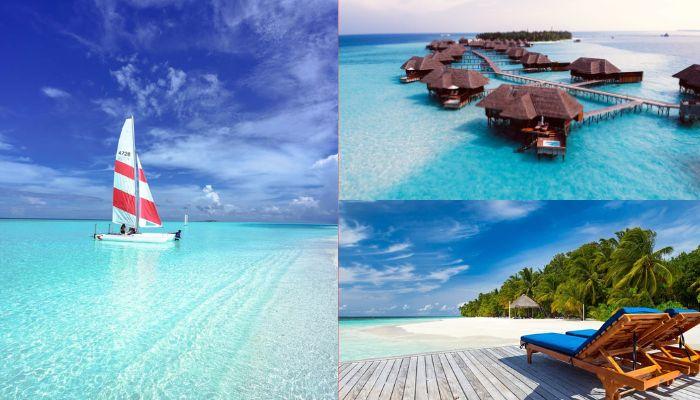
The Maldives is built around luxury tourism. Most stays are in private island resorts, where accommodation, food, and activities are bundled at premium rates.
Its remote location also means supplies are imported, and transport often requires expensive seaplane or boat transfers between islands.
Barbados combines strong tourism demand with a high-cost import economy. Upscale beachfront resorts dominate the hospitality sector, leaving limited low-cost alternatives for visitors.
Food, goods, and services are largely imported, which adds to everyday expenses for tourists.
Travel costs in the United States vary widely, but major cities such as New York, Los Angeles, and San Francisco significantly raise the average.
High hotel rates, transport costs, attraction fees, and tipping expectations all contribute to higher daily spending for visitors.
This Caribbean destination leans heavily on luxury tourism. With a limited number of budget accommodations, most visitors stay in high-end resorts.
Import dependence and small-scale infrastructure also contribute to higher prices across food and services.
Saint Kitts and Nevis offers an exclusive, low-volume tourism experience. With fewer hotels and a focus on boutique resorts, pricing remains firmly in the premium category.
Eco-resorts and curated experiences further increase the average daily cost.
Known as the “Spice Island”, Grenada combines natural beauty with relatively high import costs. Limited competition in the hospitality sector also keeps prices elevated.
Food, fuel, and accommodation costs tend to be higher than in many other Caribbean destinations.
Switzerland is one of Europe’s most expensive destinations. High wages and a strong currency translate into costly hotels, dining, and transport.
However, the quality of infrastructure, including its efficient rail system and premium hospitality standards, also shapes its pricing structure.
Greenland’s remote Arctic location makes travel inherently expensive. Limited infrastructure and reliance on imported goods drive up the cost of accommodation, food, and tours.
Access itself is costly, often requiring multiple flight connections.
The United Arab Emirates, particularly Dubai and Abu Dhabi, is known for luxury-driven tourism. High-end hotels, fine dining, shopping experiences, and entertainment attractions set the tone for visitor spending.
While budget options exist, the overall tourism model leans heavily towards premium experiences.