WORLD IN BRIEF: Iran wants BRICS to condemn US, Washington boosts UN aid, Kenya fuel prices surge and other stories
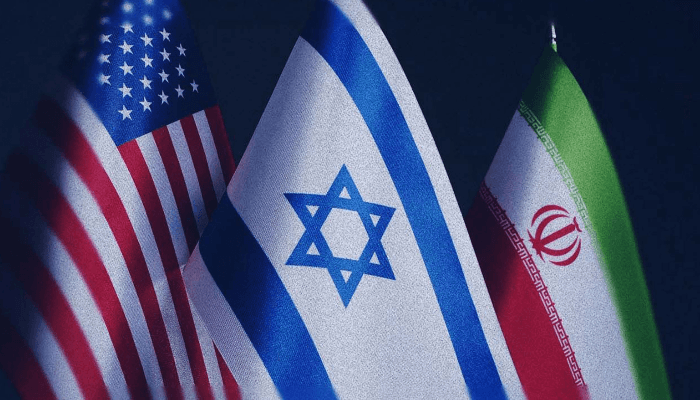
Iran urged fellow BRICS nations to condemn what it described as violations of international law by the United States and Israel during a tense summit in New Delhi dominated by the Middle East conflict and disruptions in global energy markets.
Iran urged fellow BRICS nations to condemn what it described as violations of international law by the United States and Israel during a tense summit in New Delhi dominated by the Middle East conflict and disruptions in global energy markets.
Abbas Araghchi, Iran’s foreign minister accused the US and Israel of “illegal expansionism and warmongering” and called on BRICS+ members to resist what he termed Western dominance. He also accused the United Arab Emirates of direct involvement in military operations against Iran, escalating tensions between Tehran and Gulf states despite both countries attending the summit.
The BRICS+ bloc includes Brazil, Russia, India, China, South Africa, Egypt, Ethiopia, Indonesia, Iran and the UAE.
Iran is introducing a tiered internet access system that would allow limited connectivity for approved individuals and organisations as authorities maintain a sweeping nationwide online blackout.
President Masoud Pezeshkian announced the creation of a new body to oversee cyberspace management, appointing First Vice President Mohammad Reza Aref to lead the initiative.
Digital rights groups warned the model could deepen restrictions on ordinary Iranians by granting selective internet privileges while maintaining broad censorship controls.
The administration of Donald Trump, the US president, pledged an additional $1.8bn in humanitarian support to the United Nations, while defending a broader overhaul of US foreign aid spending.
Mike Waltz, US ambassador to the UN said the funding reflected the administration’s push for “transparency” and institutional reform within the UN system.
Despite the new commitment, US humanitarian spending remains well below previous levels, having peaked at about $17bn in fiscal year 2022.
Evika Silina, the Prime Minister of Latvia, resigned after her coalition lost its parliamentary majority following disputes over the government’s handling of suspected Ukrainian drone incursions into Latvian territory.
Silina’s resignation followed mounting criticism after several drones crossed into Latvia, including one that crashed near a fuel storage site earlier this month. Defence minister Andris Spruds had already stepped down over the incident.
The crisis has intensified concerns across the Baltic region about airspace security as the war in Ukraine continues.
Presidents Donald Trump and Xi Jinping, president of China, agreed that the Strait of Hormuz must remain open during talks focused on the escalating Middle East conflict and stalled negotiations with Iran.
According to the White House, both leaders opposed any attempt to impose shipping tolls or further militarise the vital waterway, which carries a significant share of global oil exports.
The talks come as Chinese commercial vessels continue to transit the strait amid rising regional tensions and disruptions to energy markets.
Morocco plans to inject an additional $2bn into its 2026 budget to cushion the domestic impact of the Middle East conflict and surging energy costs.
Government officials said the funds would help stabilise consumer prices and protect purchasing power as the country grapples with higher import costs for oil, gas and coal.
Morocco imports most of its energy needs and lacks domestic refining capacity, leaving it particularly exposed to supply disruptions linked to the conflict around the Strait of Hormuz.
Kenya sharply increased retail fuel prices for a second consecutive month as Middle East tensions continue to disrupt global crude supplies.
The Energy and Petroleum Regulatory Authority raised petrol prices to 214.25 Kenyan shillings per litre, while diesel climbed to 242.92 shillings.
Kenya relies heavily on fuel imports from Gulf suppliers, leaving the economy vulnerable to the ongoing crisis in the Strait of Hormuz.
Zambia has allowed two copper producers to resume sulphuric acid exports to the Democratic Republic of the Congo after earlier restrictions created shortages for miners in Central Africa’s copper belt.
The acid is a key input for extracting copper and cobalt used in clean energy technologies. Zambia imposed export curbs last year after global supply disruptions linked to the Iran conflict tightened chemical markets.
Mining companies in Congo had warned that prolonged shortages could force production cuts.
Nearly 20 million people in Sudan are facing acute hunger as the country’s civil war pushes parts of the nation towards famine, according to a report by the UN-backed Integrated Food Security Phase Classification.
The report warned that 14 areas across Darfur and South Kordofan remain at risk of famine, with at least 135,000 people experiencing catastrophic hunger levels.
Aid agencies said families were increasingly resorting to desperate survival measures, including eating leaves and animal feed, as fighting between the Sudanese army and the Rapid Support Forces continues to devastate food supplies and displace millions.