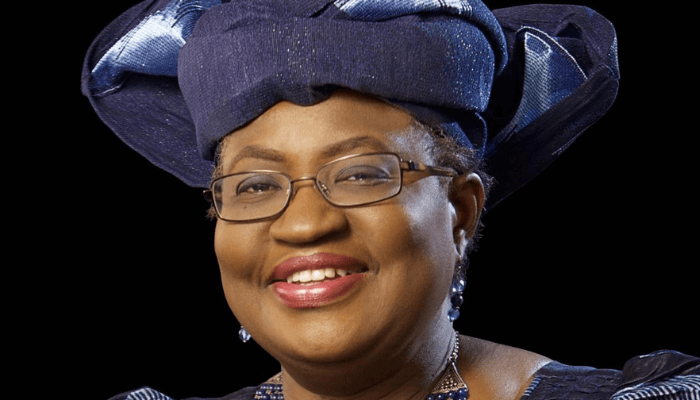
Okonjo-Iweala says Nigeria needs infrastructure maintenance, not just bigger budgets
Nigeria cannot build its way to economic prosperity through budgetary allocations alone if it fails to maintain the infrastructure it already has, Ngozi Okonjo-Iweala World Trade Organisation (WTO) Director-General warned on Monday.
Nigeria cannot build its way to economic prosperity through budgetary allocations alone if it fails to maintain the infrastructure it already has, Ngozi Okonjo-Iweala World Trade Organisation (WTO) Director-General warned on Monday.
Speaking at the 2026 Delta State Economic and Investment Summit themed ‘Harnessing Our Strengths, Unlocking Our Potentials’, the WTO chief stressed that sustainable growth hinges on a fundamental shift toward a strong maintenance culture, disciplined fiscal execution, and strategic regional expansion.
“Endowments alone do not add value. Budgetary allocations alone do not lead to new roads, to good maintenance,” Okonjo-Iweala told state leaders, investors, and policy experts. “We lack a maintenance culture in the country. We need maintenance. We need better ports and digital infrastructure, and lower trade costs. Execution is what matters, and successful execution requires focus. It requires prioritisation.”
The economist emphasized that state-level initiatives depend heavily on federal macroeconomic stability, noting that disciplined exchange rate management and inflation control are vital to improving overall prospects for success.
She added that Nigeria’s progress recorded so far indicates the country is moving in the right direction.
Highlighting regional expansion, Okonjo-Iweala called on Delta State to emerge as a premier growth hub alongside established commercial centers like Lagos, Kano, and Port Harcourt. Positioning Delta as a major industrial node would help decongest Nigeria’s existing trade gateways while driving decentralized national development, she said.
She endorsed Delta State’s proposed 2026 budget of N1.664 trillion, noting that its focus on capital expenditures aligns with moving the subnational economy onto a higher growth path.
However, she urged state leadership to maintain strict fiscal prudence, insisting public resources must be directed into productive investments rather than non-essential spending.
A central element of this strategy includes developing Special Economic Zones (SEZs), which Okonjo-Iweala described as one of the most effective industrial policy tools for governments with limited fiscal space.
SEZs allow states to cluster modern infrastructure, regulatory support, skilled labor, and supply chain inputs in targeted locations.
She highlighted Delta State’s natural gas assets as a critical foundation for these zones, but noted that fully functional industrial parks require federal cooperation to guarantee reliable electricity, transport links, water supply, and digital connectivity.