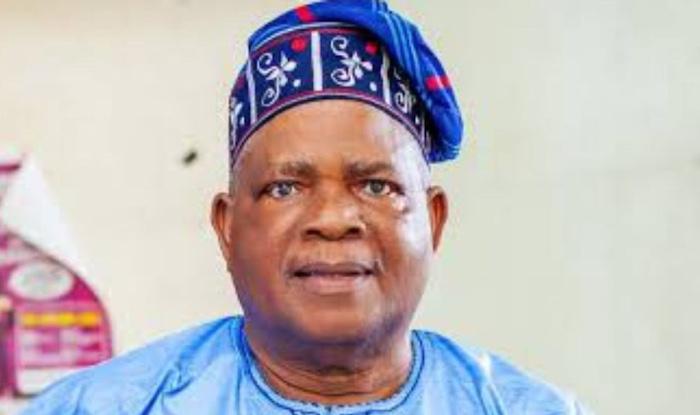
Veteran Actor Kola Oyewo Dies At 80, Leaving Behind Lasting Legacy That Shaped Nigerian Theatre And Film
Acclaimed theatre icon, actor and scholar, Kola Oyewo, dies at 80 after decades shaping Nigerian performing arts.
Acclaimed theatre icon, actor and scholar, Kola Oyewo, dies at 80 after decades shaping Nigerian performing arts.
Nigeria’s creative industry is mourning the death of veteran actor, dramatist, filmmaker, and scholar Dr. Kola Oyewo, who died at the age of 80. News of his passing was announced yesterday by fellow actor Kunle Afod, bringing an end to a remarkable career that spanned more than six decades and touched virtually every corner of Nigerian performance culture.
Born on March 27, 1946, in Oba Ile, Osun State, Oyewo began his acting journey in 1964 with the renowned Oyin Adejobi Theatre Group. What started as a young man’s passion for performance evolved into one of the most influential careers in the history of Yoruba theatre and Nigerian storytelling.
For many Nigerians, Oyewo’s name became synonymous with excellence on stage. His portrayal of Odewale in Ola Rotimi’s classic drama The Gods Are Not to Blame remains one of the defining performances in African theatre. The role elevated him beyond the boundaries of Yoruba theatre and established him as a respected figure across the continent’s dramatic landscape.
His contributions extended far beyond the stage. Over the years, he appeared in acclaimed productions such as Saworoide, Sango, Koseegbe, and Super Story, earning admiration from audiences who viewed him as a symbol of authenticity and artistic discipline. At a time when the Nigerian film industry was evolving from traditional travelling theatre to modern cinema, Oyewo stood as one of the bridge figures who carried the richness of indigenous storytelling into a new era.
Yet reducing Kola Oyewo to an actor alone would fail to capture the breadth of his influence. He was equally respected in academia. Armed with a doctorate in Drama from the University of Ibadan, he taught at Obafemi Awolowo University, Redeemer’s University, and later Elizade University. Through decades of teaching, research, and mentorship, he helped shape generations of actors, playwrights, scholars, and cultural practitioners.
His death invites reflection on a rare kind of career; one built on the intersection of performance and scholarship. In Nigeria, artists are often remembered for their visibility on screen, but Oyewo’s most enduring impact may lie in the students he trained and the cultural knowledge he helped preserve. He belonged to a generation that viewed theatre not merely as entertainment, but as a vehicle for education, identity, and historical memory.
That commitment earned him recognition far beyond the arts community. Earlier this year, as he celebrated his 80th birthday, President Bola Tinubu described him as a national treasure and a worthy ambassador of Yoruba theatre and Nigerian storytelling. The tribute highlighted his role in shaping Nigeria’s cultural landscape and inspiring younger generations of creative talents.
Oyewo’s passing also underscores the gradual departure of a generation that laid the foundations for modern Nollywood. Before streaming platforms, social media promotion, and blockbuster premieres, there were theatre practitioners like him who travelled, performed, taught, and documented Nigerian stories with unwavering dedication. Their work created the cultural ecosystem upon which today’s industry stands.
What distinguished Oyewo was not celebrity, but longevity. Few performers successfully navigated traditional theatre, film, television, and academia while maintaining relevance across generations. He did so with quiet authority and a deep respect for craft. His career became a living archive of Nigerian performance history.
As tributes continue to pour in, Kola Oyewo will be remembered not only for the characters he portrayed, but also for the cultural institution he became. His life demonstrated that art can entertain, educate, and preserve a people’s heritage at the same time.
The curtain has fallen on one of Nigeria’s most respected theatre icons. His voice may be gone, but his influence will continue to echo through classrooms, stages, and screens for years to come.