Become smarter about tech and commerce in Francophone Africa, and the policies shaping them. Read our newsletter here first or subscribe below.
- +👨🏿🚀TechCabal Daily – PalmPay eyes Hong Kong
OPay and PalmPay.
OPay and PalmPay. Two Chinese-backed fintech apps with a presence in Nigeria. Both of them play in the mobile money space. One of them green, the other purple. Both of them want to go public; OPay is targeting the United States in a $4 billion listing, announced in May, and now, PalmPay is heading to Hong Kong, Bloomberg reported.
The more interesting part is that Chinese investors may now have an exit pipeline for Africa-focused tech companies—and rather unsurprisingly, it’s not on African stock exchanges.
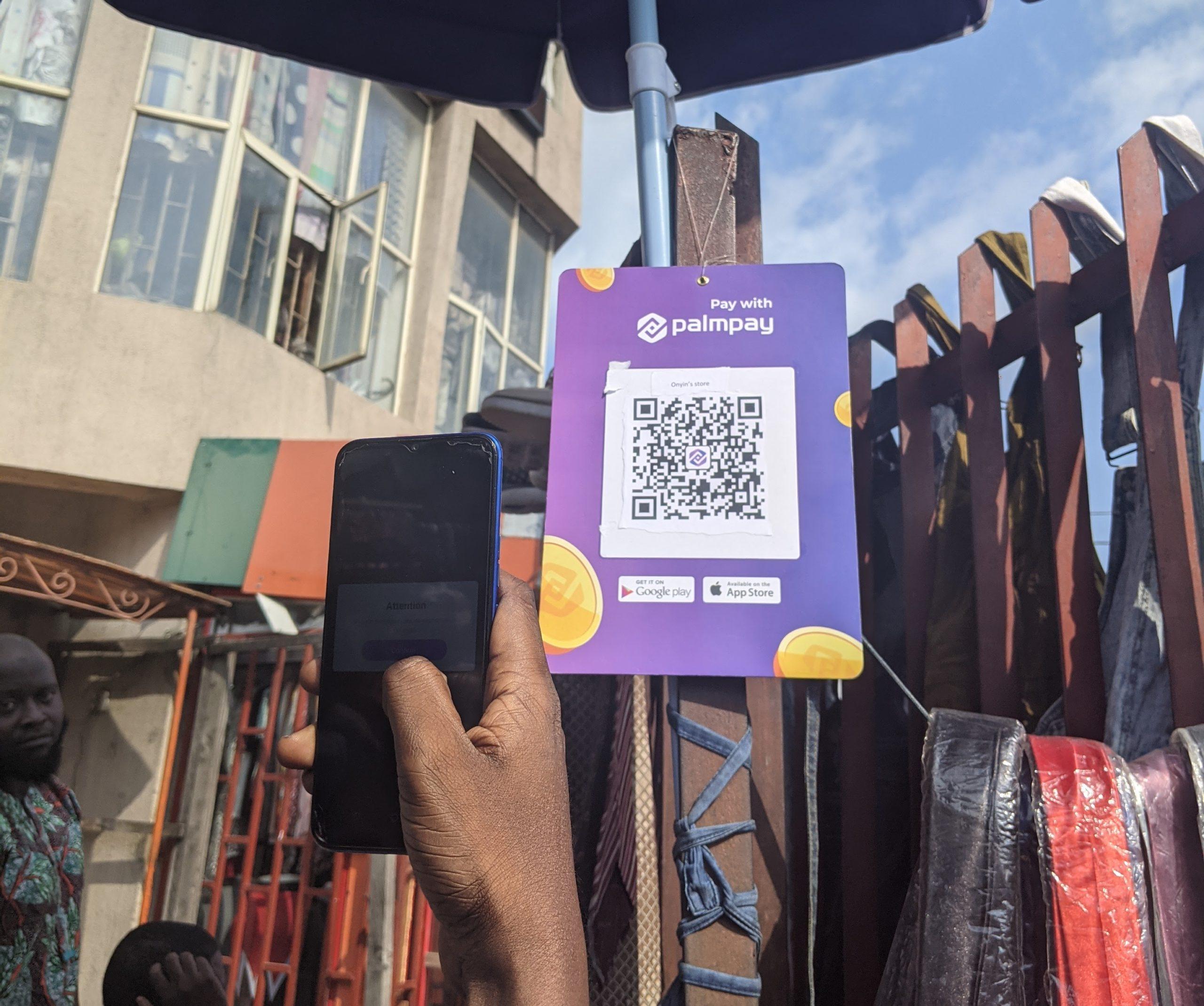
According to Bloomberg, PalmPay, a profitable fintech, is discussing a funding round that could raise about $200 million and value the company at over $1 billion. The company is also preparing for a potential Hong Kong listing, though the plans are still under discussion.
Explain like I’m new here: PalmPay launched in Nigeria in 2019 with backing from Chinese smartphone manufacturer Transsion Holdings and semiconductor giant MediaTek, and most recently expanded into South Africa, Côte d’Ivoire, Uganda, and Tanzania. Transsion owns the Tecno, Infinix, and itel brands that dominate much of Africa’s smartphone market, giving PalmPay a distribution advantage that few fintech startups enjoy.
Between the lines: A Hong Kong listing is the part that makes this interesting. Most African fintechs have traditionally looked to New York or London for initial public offerings (IPOs). PalmPay is pointing in a different direction, toward Hong Kong Exchanges and Clearing (HKEX), which has become one of the world’s busiest equity fundraising venues.
The timing is not random. HKEX finished 2025 as the world’s largest IPO fundraising market, raising $37.4 billion across 119 listings, while listings on second-placed NASDAQ raised less than $30 billion, excluding special purpose acquisition company (SPAC) listings, which are shell companies that raise money first and later merge with a private business to take it public.
Equity capital market fundraising in Hong Kong reached $103 billion, while technology, media, and telecommunications (TMT) companies alone raised $34.5 billion, the second-highest tech fundraising total globally. If PalmPay goes through with its Hong Kong listing plan, it will also be in the company of Chinese conglomerates Tencent and Alibaba, which went public on HKEX in 2004 and 2019, respectively, raising a combined $11.2 billion (not adjusted for inflation).
Zoom out: If OPay reaches Wall Street and PalmPay reaches Hong Kong, Nigeria’s mobile money wars will have produced something unusual: two Chinese-backed African fintechs taking two completely different routes to the public markets.
Fincra now issues dedicated GHS virtual accounts to enable businesses to collect payments. See how Fincra GHS virtual accounts work.
We have argued before that MultiChoice’s future may extend well beyond television, and Moment’s latest funding round strengthens the case that payments could become a significant part of that story, as the pay-TV giant continues to revive its premium streaming ambitions under French owner Canal+.
Moment, the Cape Town-based payments company spun out of MultiChoice’s fintech ambitions, has raised $22 million in a Series A round led by AlphaCode Venture Partners, bringing its total funding to $55 million. The round includes fresh backing from Canal+, which completed its takeover of MultiChoice and listed on the Johannesburg Stock Exchange (JSE) in June.
Explain like I’m new here: Moment was launched in 2023 as a joint venture between MultiChoice, Rapyd, and General Catalyst. The original idea was simple but clever: use MultiChoice’s enormous subscription payment flows—then processing about $3.5 billion annually across 22 million households—as the anchor for a broader African payments platform.
The interesting part is that Moment is gradually escaping its parent’s shadow. After its 2024 seed extension, about 95% of its processing volumes still came from MultiChoice South Africa and Showmax South Africa. Today, the company says it is processing payments for 10 million people every month, supports over 2 million physical payment locations, and handles about 600,000 transactions a day across third-party enterprise clients.
Canal+’s involvement is the clearest signal yet that the French broadcaster sees payments as more than a side project. The streaming wars are expensive. Subscription billing infrastructure, recurring payments, and merchant acceptance networks are much less glamorous—and potentially much more durable.
Zoom out: The satellite dish may still be MultiChoice’s public face. But increasingly, the payment rail behind the subscription could become its more valuable business.
With PalmPay, you can bank with confidence. Enjoy seamless everyday banking with security features designed to help protect your money. Send money, pay bills, and manage your finances all in one app. Learn more.
As they say, data is life. And for telecom operators, the more people who troop onto their networks, the healthier the business looks. In May, Nigeria’s Internet subscriber base grew by 2.67 million users, and Globacom, the country’s third-largest telecom operator, accounted for nearly half of that surge.
What’s happening? The latest figures from the Nigerian Communications Commission (NCC), the country’s telecom regulator, show Nigeria had about 157 million Internet subscribers in May 2026, up from 154.3 million in April. Globacom led the pack, adding roughly 1.2 million subscribers to reach 16.8 million. Airtel Nigeria came second, adding 1.07 million to hit 55.8 million, while MTN Nigeria—the market leader—added 382,894 users to reach 83.5 million.
The laggard was T2 Mobile, formerly 9mobile, which recorded zero growth for the second consecutive month, stuck at 802,534 subscribers. That stagnation is notable because T2 has had a national roaming agreement with MTN Nigeria since May 2025, allowing its users to piggyback on MTN’s network where T2 coverage is weak. So far, that deal hasn’t translated into visible growth.
What else? Globacom’s surge isn’t accidental. The operator has been running aggressive promotions, including a “Welcome-Back” offer targeting subscribers whose lines have been inactive for at least 90 days, and device promotions that tie smartphone purchases to data benefits and eSIM offers.