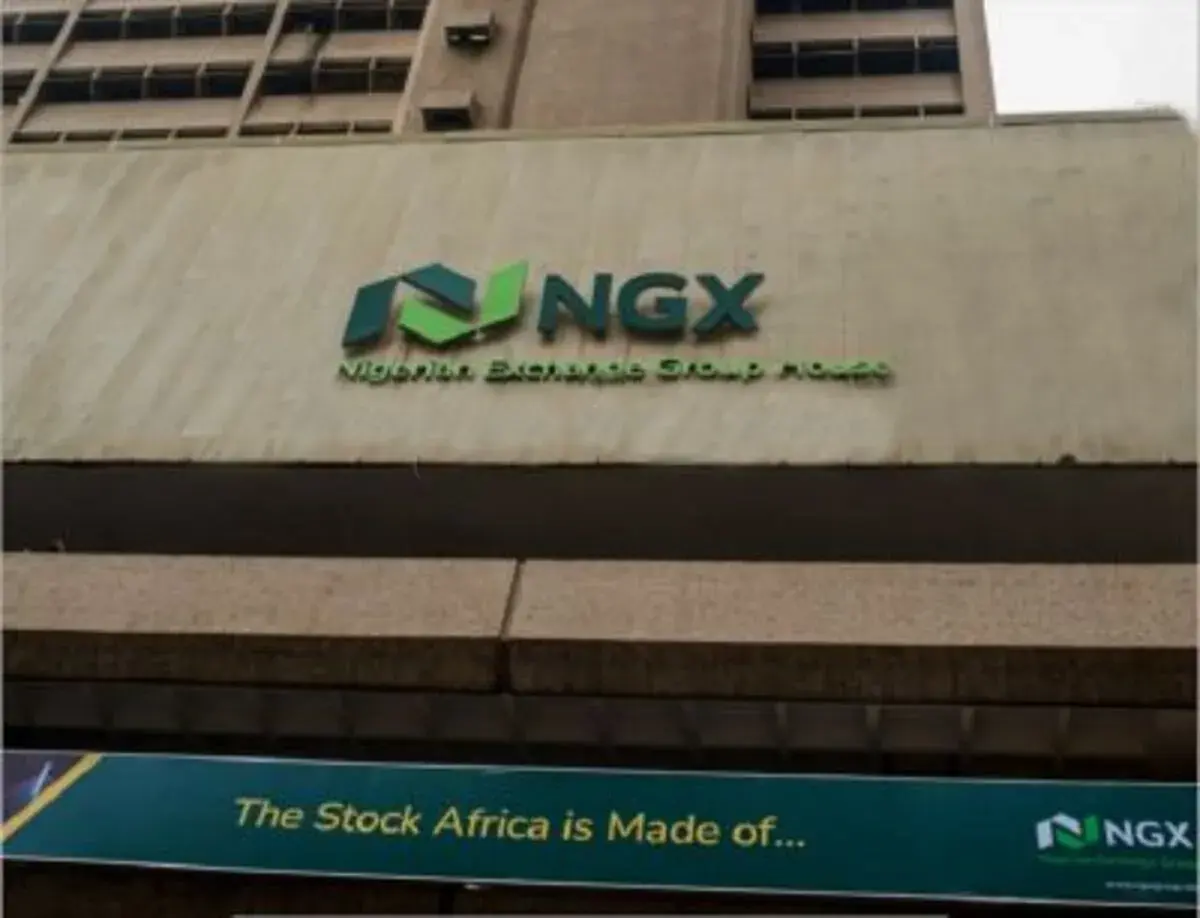
Nigeria’s stocks enter August with the NGX All-Share Index (ASI) hovering around 247,000 index points, approaching record highs.
- +Nigerian stocks set for profit-taking in August, Dangote Refinery in spotlight
Market capitalization stands at approximately N158.3 trillion after a robust seven-month growth.
Market capitalization stands at approximately N158.3 trillion after a robust seven-month growth.
August trading performance will be driven by post-H1 profit-taking short trades, supported by increases in quality tier-1 banking, energy, and select consumer and industrial stocks.
Tier-1 banks continue to be the main movers in the market, with high interest rates boosting their revenue and profits through higher NIMs.
Energy Companies like Aradel Holdings and Seplat benefited from relatively high crude prices in the second quarter and stability in local output, making them key liquidity drivers
Market participants anticipate selective rallies as leading tier-1 banks announce their audited interim dividends after earnings reports for the first half. Domestic institutional investors such as PFAs and asset managers remain focused on high earnings yields.
There may be short-term downward pressure on the index as investors execute tactical profit-taking following the long rally. This period coincides with the seasonal H1 profit-taking and pre-IPO capital reallocation.
The pre-IPO private placement at a raise of $2.5 billion on Dangote was 3.7 x oversubscribed ($4 billion in bids), indicating the appetite for the impending primary raise has the market
The IPO, valued between $40-$50 billion, with a potential 5%-10% public offer of up to $5 billion, is set to be the largest in Nigeria’s capital market history.
Local institutional investors mainly pension funds, asset managers, and some retail investors—are seeking cash from top-performing domestic stocks, including Tier 1 banks, MTNN, Airtel, and Dangote Cement, to fund their subscriptions to the refinery IPO.
This rebalancing may cause short-term declines and volatility across the broader ASI, despite multi-year rallies in the industrial and select consumer sectors, especially among large Tier 1 banks. Reallocations from winning stocks to meet IPO subscription demands are likely to exert downward pressure.
Furthermore, secondary market liquidity may contract funds to sell existing holdings to participate in the IPO. This period will also trigger index rebalancing: Dangote Refinery will be added as a key index component alongside Dangote Cement and BUA Group, significantly altering weights and benchmark tracking on the NGX 30.
The proposed dollar-denominated yield stream is expected to attract offshore global funds back into Nigerian equities. Managers are building cash reserves in Q3, positioning for upcoming primary market issuances and auctions scheduled for late summer, alongside debt issuances. An increase in NTB stop rates could prompt shifts from high-risk assets into equities, further influencing market dynamics.
However, beyond the short-term rotation, several structural reasons limit the risks of a Nigerian stock market crash: The listing would inject trillions of Naira into the NGX market value. Market outlook suggests the Nigerian stock market total valuation can increase by 30% to 45% on the listing. –
NGX Group and Dangote Group are largely targeting institutional capital across Africa (South Africa, Kenya, Ghana) and the world “frontier” market investors to avoid choking the local Naira liquidity.
The vast majority of the cash flows from the refinery are denominated in foreign currency (~$6.4bn a year once at full capacity), supporting dual-currency or USD-denominated dividend payouts, which may prove uniquely appealing to foreign portfolio investors seeking a hard currency yield from their investment.