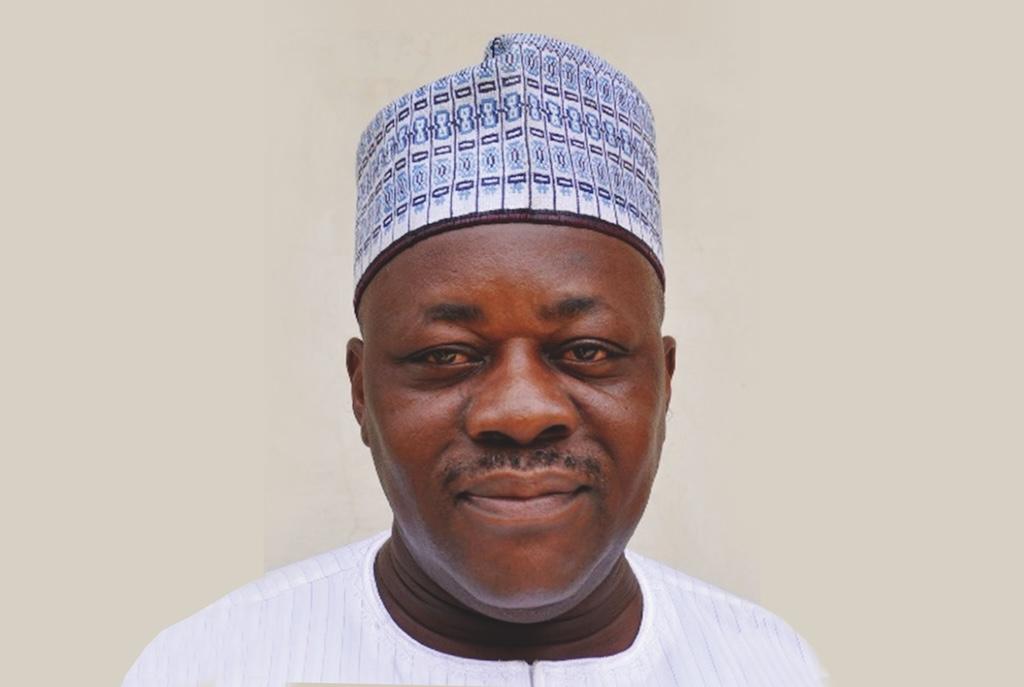
The state of the nation, By Jibrin Ibrahim, et al.
Today is June 12.
Today is June 12. As we celebrate, maybe I should say mourn, the great events that followed the annulled election of 12th June 1993, let us not forget that the event was a very long time ago. 33 years is ancient history for a majority of Nigerians, with a population whose median age is 18 years. For those of us of a certain age and a tradition of democratic struggles, June 12 was Nigeria’s rite of passage to becoming a true and enduring democratic society. The big issue is that the June 12 narrative is a story of great heroes and heroines, having key names that include the winner of the June 12, 1993 presidential election, Chief MKO Abiola; his wife, Kudirat; General Shehu Musa Yar’Adua and Pa Alfred Rewane, who are often cited. But maybe the greatest heroes of June 12 were the millions of unsung ordinary Nigerians who came out, contested military rule and literally chased them out of power, gaining a historic victory over military authoritarianism. The ordinary Nigerian today is not celebrating June 12. They are asking the question why, how and when Nigerian democracy died. The lived reality of the current generation is that the only agency they have seen in centres of political power are powered by greedy looters of the public treasury. The time has come to stop our praise singing about our democracy and its heroes and fully reopen the struggle for democracy in today’s Nigeria.
The Fourth Republic has been in place since 1999. Over that period, the country’s democratic process has been emptied of its essence. One way of understanding what happened to our democracy is to review how reckless political cabals have created a situation in which Nigeria faces a grave threat to its foundational constitutional principle of the separation of powers. Checks and balances between the branches of government have been imperilled. The separation of powers divides government responsibilities into three distinct branches—legislative (makes laws), executive (enforces laws), and judicial (interprets laws). This constitutional framework ensures a system of “checks and balances” that prevents tyranny, preserves individual liberties, and promotes governmental accountability.
The core reasons why separation of powers is essential for modern democracy include:
Preventing Tyranny: By dividing authority across independent branches so that no single person or group can aggregate enough power to form a dictatorship.
Enabling Checks and Balances: Each branch has the constitutional authority to monitor and limit the others. For instance, the legislature can pass laws, but the executive can veto them, while the judiciary can strike down unconstitutional laws.
Protecting Human Rights: An independent judiciary ensures that laws are applied fairly and that citizens are shielded from arbitrary government actions or overreach.
Conscious of these principles, ten of us as concerned Nigerian citizens issued a press release this week expressing our alarm at the increasing threats to the Nigerian Nation, its democratic order and the rule of law. Our assessment of the state of the Nation reveals that Nigeria stands at a dangerous crossroads where rising insecurity, an alarming level of electoral manipulation by government, and the weakening of democratic institutions are converging into a national crisis that threatens the country’s survival.
The legislative branch has been placed under near total control of the executive branch. The judiciary appears to have lost both its independence and its integrity. There are no checks on the powers of the executive who now govern as they please without accountability or respect for the people’s concerns. Institutions have been compromised, weakened, and subordinated to the interests of the executive arm of government. This erosion of institutional independence has fuelled public distrust to its highest level in our history creating a crisis of political exclusion and impunity that is pushing violent extremism, organised crime, and communal conflict to a tipping point.
To reverse this trajectory, Nigeria must urgently recommit to democratic accountability, judicial independence, and institutional reforms that strengthen the rule of law. The electoral processes must be transparent, credible, and insulated from executive interference.
The crisis in Nigeria cannot be separated from the broader instability engulfing the Sahel region. The spread of terrorism, arms trafficking, unconstitutional changes of government, and porous borders across countries such as Mali, Burkina Faso, and Niger continue to intensify insecurity in Nigeria and the wider Lake Chad Basin. The collapse of regional cooperation and democratic governance in parts of the Sahel further emboldens armed groups, weakens state authority, and undermines civilian protection across West Africa.
Regional security cooperation between Nigeria and Sahelian states should be revitalised by establishing strong bilateral and multilateral platforms for intelligence sharing, border governance, and community-based peacebuilding initiatives.
Equally important is investing in youth employment, education, social protection, and local conflict resolution mechanisms to address the root causes of radicalisation and insecurity.
Professor Jibrin Ibrahim Dr Husseini Abdu Ambassador Fatima Balla (OON) Dr Usman Bugaje Professor Ibrahim Gambari (CON) Dr Yahaya Hashim Professor Attahiru Muhammadu Jega (OFR) Mohammed Kuna Abubakar Balarabe Mahmoud (SAN, OON) Mallam Kabiru Yusuf.