Israeli Airstrikes Kill 10 In Lebanon Despite Ceasefire As US-Iran Talks Remain Uncertain
Israeli airstrikes killed at least 10 in Lebanon despite ceasefire, raising tensions as uncertainty grows over US-Iran negotiations.
Israeli airstrikes killed at least 10 in Lebanon despite ceasefire, raising tensions as uncertainty grows over US-Iran negotiations.
The attacks occurred on Saturday, with Israel saying its military action was in response to overnight attacks allegedly carried out by Hezbollah. The Iran-backed group, however, insisted it would not tolerate unrestricted Israeli military operations within Lebanese territory.
The ceasefire in Lebanon is viewed as a key requirement for launching a proposed 60-day diplomatic process between the United States and Iran aimed at resolving disputes surrounding Tehran’s nuclear programme and other regional security issues. However, uncertainty remains over when such talks may begin.
Under an interim agreement reached earlier this week between Washington and Tehran, both sides and their regional allies are expected to halt military operations across multiple fronts, including Lebanon.
Israel has maintained that it is not bound by the arrangement, arguing that it was not involved in the negotiations. Israeli officials have also indicated that troops will remain in areas of southern Lebanon currently under Israeli control.
Sources from both Israel and Hezbollah confirmed that the ceasefire became effective on Friday afternoon following diplomatic efforts backed by the United States.
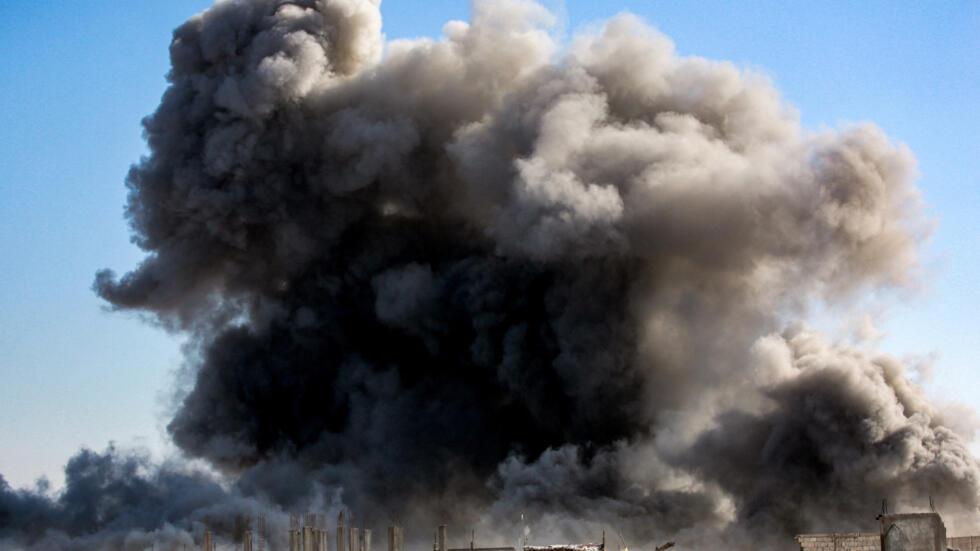
Despite the agreement, Lebanon’s National News Agency reported that Israeli fighter jets and drones carried out strikes across southern Lebanon and the Bekaa Valley, regions widely regarded as Hezbollah strongholds.
Israeli military officials claimed that more than 50 projectiles were launched toward Israeli positions in southern Lebanon overnight, prompting retaliatory operations against what they described as Hezbollah-linked targets.
While Hezbollah did not officially claim responsibility for the reported attacks, a senior official from the group stated that it would resist any attempt by Israel to operate freely inside Lebanese territory and rejected a return to previous security arrangements.
The conflict in Lebanon intensified after Hezbollah became involved in the wider regional confrontation linked to the ongoing war between Israel, the United States and Iran, leading to extensive military exchanges and Israeli ground operations in southern Lebanon.
Among Saturday’s deadliest incidents was an airstrike on a residential building in the town of Barish in the Tyre district. Local authorities said four members of the same family, including two children, were killed when the structure was hit.
The Lebanese army also reported that one of its soldiers lost his life in a separate Israeli strike along the Kfarrumman-Nabatieh road.
An Israeli military spokesperson said lasting stability could only be achieved if Hezbollah ceased activities Israel considers violations of existing agreements. The spokesperson added that Israeli operations were focused on eliminating security threats and dismantling Hezbollah infrastructure rather than targeting civilians.
According to Lebanon’s Health Ministry, Israeli military operations since March 2 have resulted in the deaths of 3,912 people, including women, children and medical personnel. Israel, meanwhile, says at least 32 soldiers and four civilians have been killed during the same period.
As violence continued despite the ceasefire, uncertainty persisted over whether meaningful negotiations between Washington and Tehran would begin soon. The discussions are intended to transform the recently announced 14-point interim agreement into a broader and more permanent settlement.
Pakistan’s Interior Minister, Mohsin Naqvi, travelled to Tehran on Saturday for meetings with Iranian Foreign Minister Abbas Araqchi as part of ongoing mediation efforts, according to Iranian state media.
Recent reports also indicate that US Vice President JD Vance cancelled a planned trip to Switzerland, where talks with Iranian officials had been expected, citing escalating tensions involving Israel and Hezbollah.
The White House has not confirmed speculation that US envoy Steve Witkoff and presidential adviser Jared Kushner could still hold meetings with Iranian representatives in Switzerland.
Swiss officials reportedly met with delegates from Qatar on Friday at the Buergenstock resort near Lucerne as diplomatic efforts to sustain negotiations continued.
The wider regional conflict has claimed at least 8,000 lives, with the majority of casualties recorded in Iran and Lebanon. The fighting has also contributed to rising global energy prices and renewed inflationary pressures.
The interim agreement includes provisions aimed at easing sanctions on Iran, releasing frozen assets worth billions of dollars and granting waivers for Iranian oil exports. It also outlines a proposed reconstruction fund valued at approximately $300 billion alongside additional economic incentives.
US President Donald Trump defended the agreement amid criticism from some lawmakers and political allies who argue that the concessions offered to Iran may be excessive.
In a social media post on Friday, Trump insisted that Iran had been weakened by the conflict and dismissed suggestions that Washington entered negotiations out of necessity, stating that the United States would continue to monitor developments throughout the 60-day period outlined in the agreement.