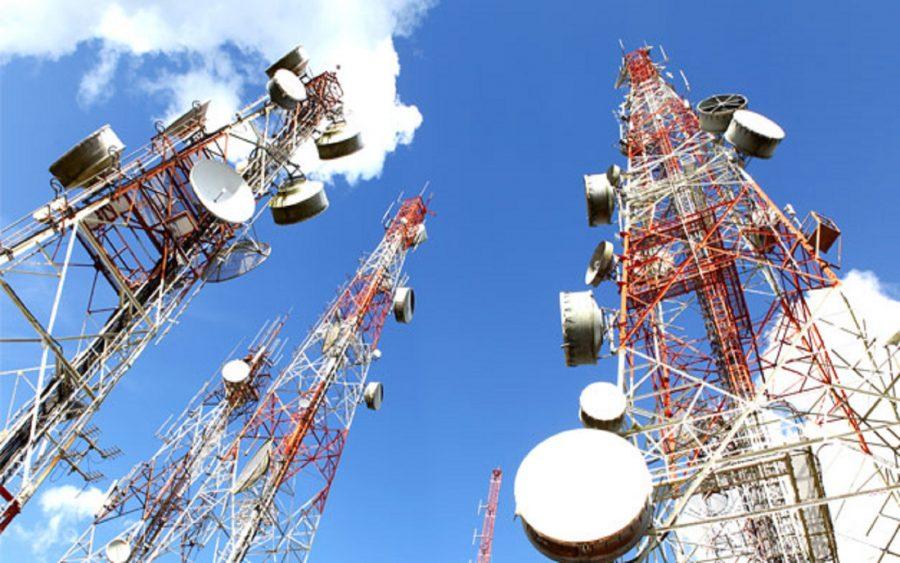
Soaring diesel costs, weak grid power and persistent vandalism of telecom infrastructure are forcing operators in Nigeria to deepen hybrid energy solutions to sustain network operations, JUSTICE OKAMGBA writes
- +Telcos accelerate hybrid energy shift as diesel nears N2,000/litre
Telecommunications companies are increasing investments in hybrid and renewable energy systems, as soaring diesel prices, weak electricity supply, and rising infrastructure vandalism threaten the backbone of Africa’s largest mobile market.
Telecommunications companies are increasing investments in hybrid and renewable energy systems, as soaring diesel prices, weak electricity supply, and rising infrastructure vandalism threaten the backbone of Africa’s largest mobile market.
For years, telcos have depended heavily on diesel generators to keep mobile towers running because the national power grid remains unreliable. But a fresh wave of energy inflation driven by global oil market disruptions and domestic fuel price volatility is now forcing operators to rethink how they power the country’s digital infrastructure.
“We are doing a lot on renewable energy and providing many hybrid solutions across sites,” the Chairman of the Association of Licensed Telecommunications Operators of Nigeria, Gbenga Adebayo, said during an interview on Arise News.
“But investment in that takes time, and scaling it up also takes time,” he added.
The pressure on operators has intensified in recent months as diesel prices climbed sharply, adding to the already high cost of running telecom infrastructure in a country where operators collectively manage tens of thousands of off-grid base stations.
MTN Nigeria, the country’s largest telecom company, warned last week that rising energy prices could hit profits later this year.
In its unaudited quarterly earnings report released Wednesday, the operator said it expected a 1.8 to 2 percentage-point decline in full-year EBITDA margins if diesel prices average around N2,000 per litre during the second half of the year.
The company, which serves about 89.5 million subscribers, operates more than 20,000 base stations nationwide, most of them dependent on diesel-powered generators because of unstable electricity supply.
“We continue to monitor developments in the operating environment, including energy price volatility and regulatory dynamics,” MTN Nigeria Chief Executive Officer Karl Toriola said in the report.
The cost concerns reflect a broader structural challenge facing Nigeria’s telecom sector. Unlike operators in markets with stable electricity, telecom companies in Nigeria effectively run parallel energy systems to keep networks online.
According to the State of Africa’s Infrastructure Report 2025 by the Africa Finance Corporation, telecom operators in Nigeria consume more than 40 million litres of diesel every month to power their sites.
That amounts to over 480 million litres annually, with estimated yearly spending exceeding $350m.
The PUNCH analysis estimated that telecom operators spent about N71.3bn every month on diesel between January and August last year, translating to roughly N570bn within eight months.
The latest fuel price spike follows renewed instability in global oil markets linked to tensions involving the United States, Israel and Iran, which disrupted shipping activity around the Strait of Hormuz earlier this year and pushed crude oil prices above $100 per barrel.
Those disruptions filtered quickly into Nigeria’s deregulated fuel market, where diesel prices surged nationwide.
The Dangote Refinery recently adjusted diesel prices to around N1,750 per litre, while retail prices in some parts of the country reportedly climbed above N1,200 per litre.
As fuel costs rise, operators are increasingly turning to hybrid systems that combine diesel generators with solar panels, battery storage and grid electricity when available.
For telecom firms, the shift is not only about cutting costs. It is also part of a broader push to reduce carbon emissions and align with global sustainability targets.
Airtel Nigeria says it has been expanding efforts to connect more telecom sites to the national grid while deploying alternative power systems across its operations.
“The most important factor for us here in Nigeria is the grid,” the company’s Chief Technical Officer, Harmanpreet Dhillon, said previously in Lagos. “Our first goal is to connect all of our sites to the grid, as many of our base stations currently lack grid connectivity. Once we achieve this, we will reduce our reliance on generators, which in turn will cut down our diesel consumption.”
But even as operators invest in cleaner energy infrastructure, theft and vandalism challenges persist. Adebayo said telecom companies are increasingly losing batteries, generators and solar equipment installed at network sites to criminal activity.
“What we are seeing is a high trend of vandalisation of sites where batteries are stolen from base stations and they end up in people’s homes or offices,” he said.
“We also have cases where solar elements are attacked on sites and sold in the open market.”
The problem highlights the complicated realities of building digital infrastructure in Nigeria, where telecom towers often operate in remote or insecure areas with limited protection.
Operators say the situation has become especially difficult as rising fuel prices increase the black-market value of diesel and energy equipment.
According to Adebayo, vandalism now extends beyond power systems to fibre optic infrastructure critical for internet connectivity.
He said fibre routes within Nigeria experience an average of about 40 cuts daily, many linked to road construction activities, theft and deliberate damage.
“The one running from Lagos to Kano records an average of about 40 cuts a day,” he said, comparing it to undersea cables connecting London to Lagos, which he said had recorded only one outage in roughly two years.
The repeated fibre cuts increase downtime, raise maintenance costs and affect network quality for millions of users.
Nigeria’s telecom operators have long argued that the country’s communications infrastructure should receive stronger legal protection because of its growing importance to banking, public services and the digital economy.
Adebayo said attacks on telecom infrastructure should attract penalties similar to those imposed for oil pipeline vandalism.
“Vandalising telecom infrastructure should be seen as bad as vandalising oil pipelines because of the impact on the economy and public services,” he said.