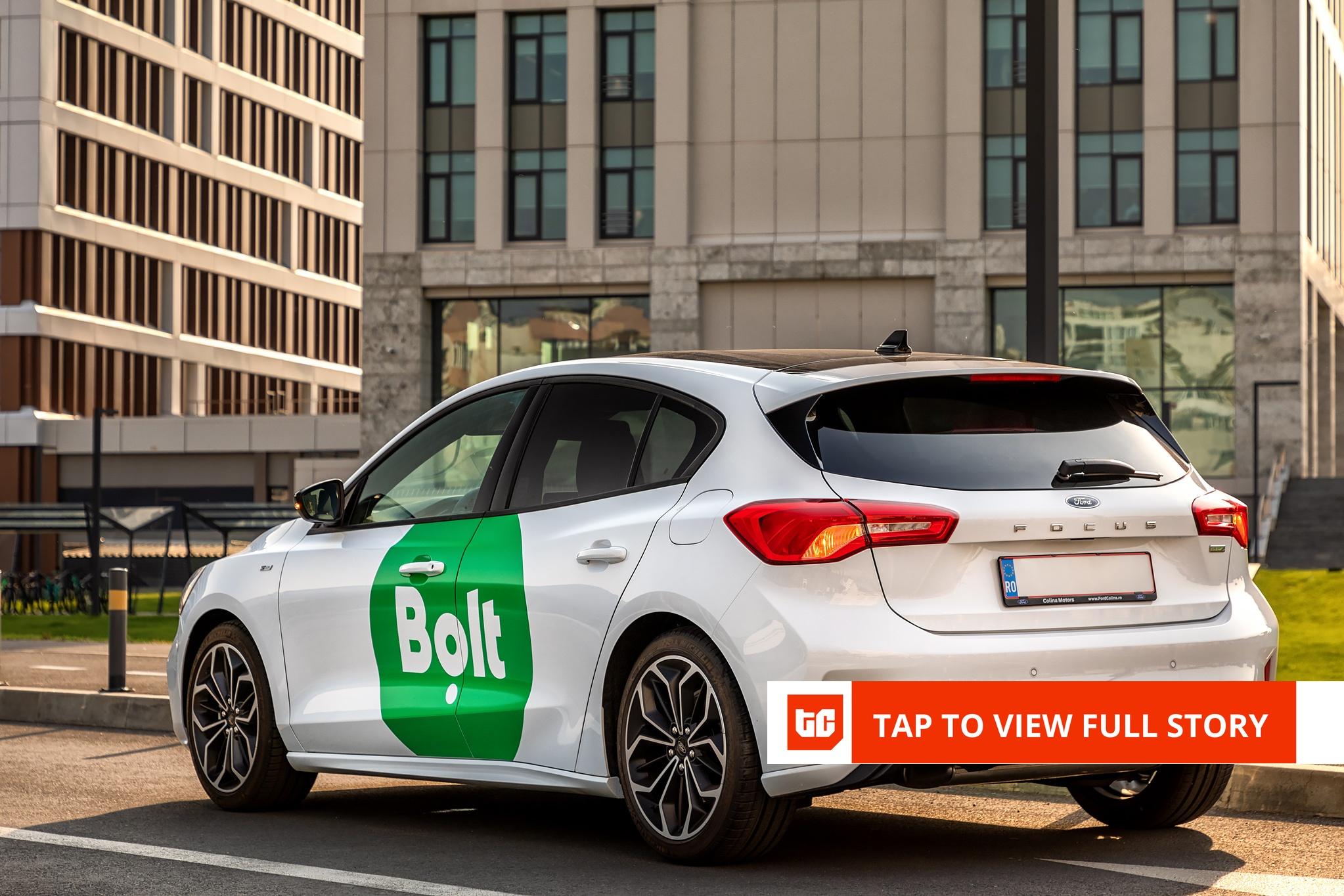
Bolt, the Estonian ride-hailing giant, has hiked ride fares in Kenya by 6% after a sharp jump in fuel prices intensified pressure from drivers.
- +Bolt hikes fares by 6% in Kenya as rising fuel costs hit drivers
The fare increase, announced on Tuesday in Nairobi, makes Bolt one of the first major ride-hailing firms in Kenya to formally pass rising operating costs to consumers, a shift in a market long defined by discounts and cheap rides.
The fare increase, announced on Tuesday in Nairobi, makes Bolt one of the first major ride-hailing firms in Kenya to formally pass rising operating costs to consumers, a shift in a market long defined by discounts and cheap rides.
The move follows Kenya’s latest fuel price review on April 15, when the Energy and Petroleum Regulatory Authority raised petrol prices in Nairobi to KES 197.60 ($1.53) per litre and diesel to KES 196.63 ($1.52).
“This fare adjustment is part of a broader effort to respond meaningfully to their concerns, particularly around fuel prices, while ensuring that our service remains accessible and dependable for riders. The 6% increment ensures that riders continue to enjoy some of the most competitive fares in the market,” Dimmy Kanyankole, Bolt’s Senior General Manager, Rides, East Africa, said in a statement.
Kenya is one of Africa’s largest ride-hailing markets, with thousands of drivers relying on platforms such as Uber, Little, and Bolt for full-time income. The sector has become increasingly strained as inflation, fuel costs, vehicle financing expenses, and platform commissions eat into driver earnings.
Earlier fuel price adjustments on April 14 had briefly pushed pump prices above KES 206 ($1.60) per litre before government intervention eased the increases.
Ride-hailing drivers have staged protests and threatened strikes in recent months, arguing that fares no longer reflect the real cost of operating vehicles in Nairobi. Many drivers are listed on multiple platforms at once, which allows them to shift between apps depending on trip demand, incentives, and surge pricing.
The increase will test whether Kenyan consumers, already dealing with higher food, transport, and electricity costs, are willing to pay higher ride fares for more reliable service.
“We understand that price changes affect both drivers and riders, and we have taken a thoughtful approach to ensure that this adjustment supports the sustainability of our platform for everyone,” Kanyankole added.