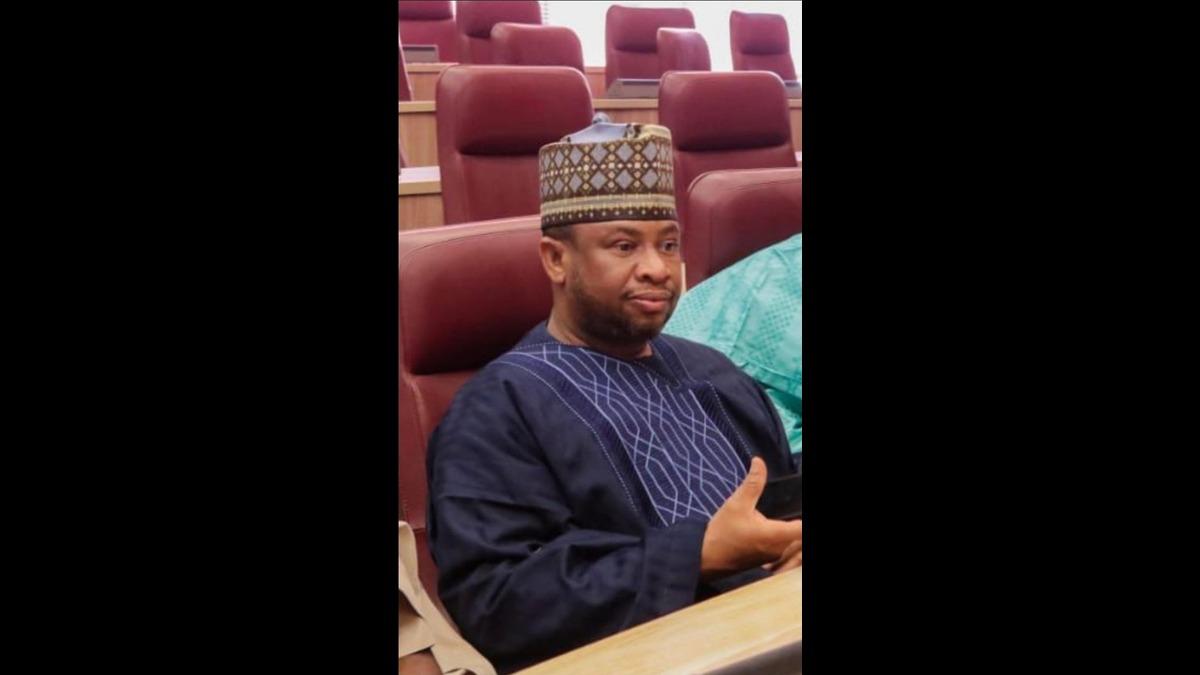
Just as he prepared to take on a key diplomatic role, Mohammed Mahmud Lele’s sudden death has left a gap in Nigeria’s foreign service and raised fresh concerns about continuity in its international engagements.
- +Nigeria’s ambassador-designate to Algeria dies after prolonged Illness
Nigeria’s ambassador-designate to Algeria, Mohammed Mahmud Lele, has died following a prolonged illness, bringing a sudden end to his anticipated diplomatic mission and prompting condolences from government officials and associates who described his passing as a significant loss to the country’s foreign service.
Nigeria’s ambassador-designate to Algeria, Mohammed Mahmud Lele, has died following a prolonged illness, bringing a sudden end to his anticipated diplomatic mission and prompting condolences from government officials and associates who described his passing as a significant loss to the country’s foreign service.
Lele, who had been appointed to represent Nigeria in Algeria but had yet to fully assume his post, died after battling health complications over an extended period, according to sources familiar with the situation. His death comes at a time when Nigeria continues efforts to strengthen diplomatic and economic ties with North African nations, particularly in areas of trade, security cooperation, and regional integration.
Although details surrounding the exact nature of his illness have not been publicly disclosed, those close to the late diplomat indicated that his condition had kept him away from active public engagement in recent months. His passing has therefore not only halted his personal career trajectory but also created a vacancy in a strategic diplomatic position.
Before his nomination as ambassador, Lele built a reputation within public service circles as a seasoned administrator and committed public servant. Colleagues recall his years of experience in governance and policy implementation, noting that he brought a pragmatic approach to leadership and a deep understanding of Nigeria’s bureaucratic and political landscape. His appointment to Algeria was widely seen as a recognition of his competence and dedication.
Officials who have reacted to the news expressed sadness over the loss, emphasising that Lele’s expertise and institutional knowledge would be missed. Some noted that his role would have been particularly important in advancing bilateral relations, especially at a time when Nigeria is seeking to diversify its international partnerships beyond traditional allies.
The Ministry of Foreign Affairs is yet to release a comprehensive statement detailing funeral arrangements or the next steps regarding the ambassadorial position. However, diplomatic sources suggest that the government will soon begin the process of identifying a replacement to ensure continuity in its foreign policy objectives in Algeria.
Lele’s death also highlights the human dimension of public service, reminding many of the personal sacrifices and health challenges that can accompany demanding national assignments. Observers say his passing may prompt renewed attention to the welfare of government officials, particularly those preparing for overseas postings.
As tributes continue to emerge, friends and colleagues have described Lele as a calm and thoughtful individual who approached his responsibilities with diligence. Beyond his professional life, he is remembered as a family man and a mentor to younger professionals navigating careers in public administration.
His death marks not just the loss of an individual, but also the interruption of a diplomatic chapter that had yet to fully unfold.