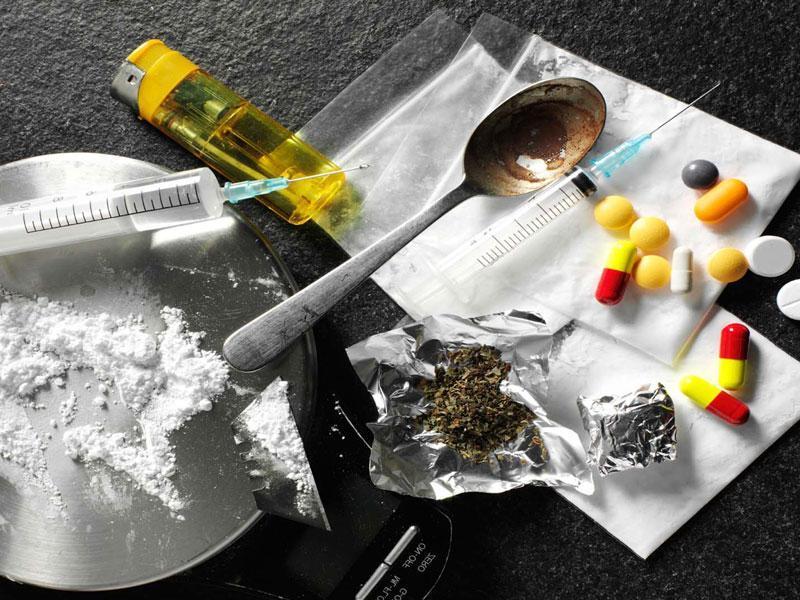
Community and security stakeholders have identified the rising consumption of illicit drugs among the youth as a major catalyst for the surge in domestic violence and crime across the country.
- +Drug abuse: Nigeria major security threat
They called on governments at all levels, as well as relevant agencies, to intensify campaigns against the sale and consumption of illicit drugs and other dangerous substances.
They called on governments at all levels, as well as relevant agencies, to intensify campaigns against the sale and consumption of illicit drugs and other dangerous substances.
These concerns were raised during the 10th anniversary and award ceremony of the National Youth Progressives Forum (AYPF), themed “Fighting Cultism, Drug Abuse and Other Related Social Vices,” held at Nnamdi Azikiwe University, Awka, Anambra State.
The event also featured the unveiling of a book titled “Exposing the Dangers of Drug Abuse, Cultism, Alcoholism and Other Anti-Social Vices,” by Chika Nwosu.
A report by the United Nations Office on Drugs and Crime (UNODC), in partnership with the National Drug Law Enforcement Agency (NDLEA), identifies Nigeria as one of the countries serving as hubs for the production, consumption, and distribution of narcotics.
This is despite measures being implemented by the government to curb the menace and reduce the involvement of Nigerians, especially youths, in activities linked to hard drugs.
Disturbed by this development, security, youth, and community stakeholders in Anambra state convened in Awka to deliberate on strategies to combat the growing threat of illicit drug use and other dangerous substances in society.
In his remarks, one of the conveners and President of the Anambra Youth Progressives Forum, Chika Nwosu, stated that cultism and drug abuse pose serious threats to social stability, as they destroy lives, destabilize families, weaken social and cultural institutions, and undermine the moral fabric of society.
“Cultism and drug abuse are not just personal problems; they are serious social threats. They destroy lives, destabilize families, weaken institutions, and undermine the moral fabric of our society. Many promising young people have lost their lives, their education, and their future opportunities because they were drawn into these dangerous activities.
Therefore, this conference is not merely a celebration of our anniversary; it is also a call to action—a collective effort to raise awareness, educate young people, and promote responsible choices that will safeguard their future,” he stated.
According to him, the situation demands collective national action to raise awareness, educate young people, and promote responsible choices that will safeguard both their future and national security.
Nwosu also called on the government to strengthen collaboration with youth organizations, community and religious leaders, as well as other social groups, to build a generation of responsible, visionary, and productive young people.
“As part of our contribution to this campaign against social vices, I have authored a book titled ‘Exposing the Dangers of Drug Abuse, Cultism and Other Anti-Social Vices.’ The purpose of this book is to provide practical insights, real-life experiences, and educational guidance to help young people understand the dangers of these destructive behaviours and make better life decisions,” he added.
Kingsley Ezika, Chairman of the Police Campaign Against Cultism and Other Vices in Anambra State noted that the government must strengthen laws against cultism and drug trafficking and ensure strict enforcement to effectively address drug abuse in Nigeria.
“It is unfortunate that today many young minds are being misled into believing that our core values are archaic and retrogressive. As a result, they pursue the illusion of cultism, drug trafficking, and other vices in the quest for quick wealth. The consequences are dire: dialogue and reasoning have been replaced by violence, and peace has given way to fear.
“This is not sustainable and does not reflect who we are. The time to act is now, as failure to do so will lead to devastating consequences that will resonate for generations,” he said.
A representative of Safenest, Mrs Ruth Okolie, observed that accountability, strong support systems, and integrated treatment approaches are essential to breaking the cycle of illicit drug distribution and consumption in the country.
“Domestic violence manifests in various forms, including intimidation, coercive control, psychological and emotional abuse, stalking and harassment, as well as online or digital abuse. In the majority of cases, it is experienced by women and perpetrated by men; however, it can also occur in reverse or within same-sex relationships,” she explained.
Kingsley Ubaoji, a professor and the Dean of Student Affairs at Nnamdi Azikiwe University, Awka, who spoke on behalf of the Vice-Chancellor, Ugochukwu Anyaehie , reiterated that the institution maintains zero tolerance for student involvement in cultism and drug abuse.
Similarly, the Chairman of the Anambra State Post Primary School Service Commission, Nkechi Ikediugwu, represented by Anulika Adibe, urged parents to be more vigilant regarding their children’s activities and peer associations. She also cautioned students against jeopardizing their future by engaging in destructive behaviours.
Other speakers, including the Chairman of the National Youth Council of Nigeria (NYCN), Emeka Obi, advised students and youths to shun violence, cultism, and drug abuse, emphasizing that such vices ultimately destroy promising futures rather than advancing them.