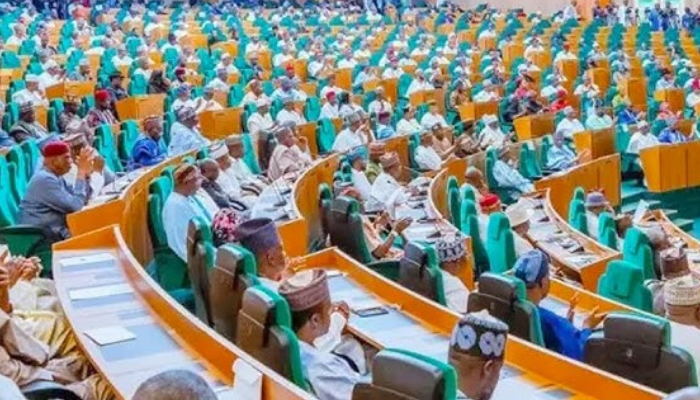
27 years after Nigeria returned to democratic rule and decades after the country abandoned regional policing, the National Assembly has finally pushed the country to the threshold of one of its most consequential constitutional reforms. But the passage of the Constitution Alteration (State Police) Bill may have ended the legislative battle only to begin a far more contentious political one. The debate has quickly shifted from whether Nigeria needs state police to whether Nigeria’s governors can be trusted with them. That question has dominated public discourse since the Senate approved the bill on Wednesday, despite the legislation containing multiple constitutional safeguards designed to prevent abuse. The bill represents a dramatic departure from Nigeria’s long-standing centralised policing structure. Once ratified by at least 24 State Houses of Assembly, states will, for the first time since the First Republic, have constitutional authority to establish and fund their own police services alongside the Federal Police Service. Ironically, Nigeria is not introducing an entirely new idea. Before the military centralised policing in 1966, regional governments operated local police forces. Those forces were eventually scrapped after they became notorious for political intimidation, election manipulation and victimisation of opponents by regional premiers. That historical experience has continued to haunt every attempt to revive state policing. Successive National Assemblies struggled unsuccessfully with the proposal. During the Eighth Assembly, lawmakers led by Ike Ekweremadu secured passage of constitutional amendments creating state police, only for the proposal to collapse after failing to receive approval from the required number of State Houses of Assembly.
- +State police: Can governors be trusted with the gun?