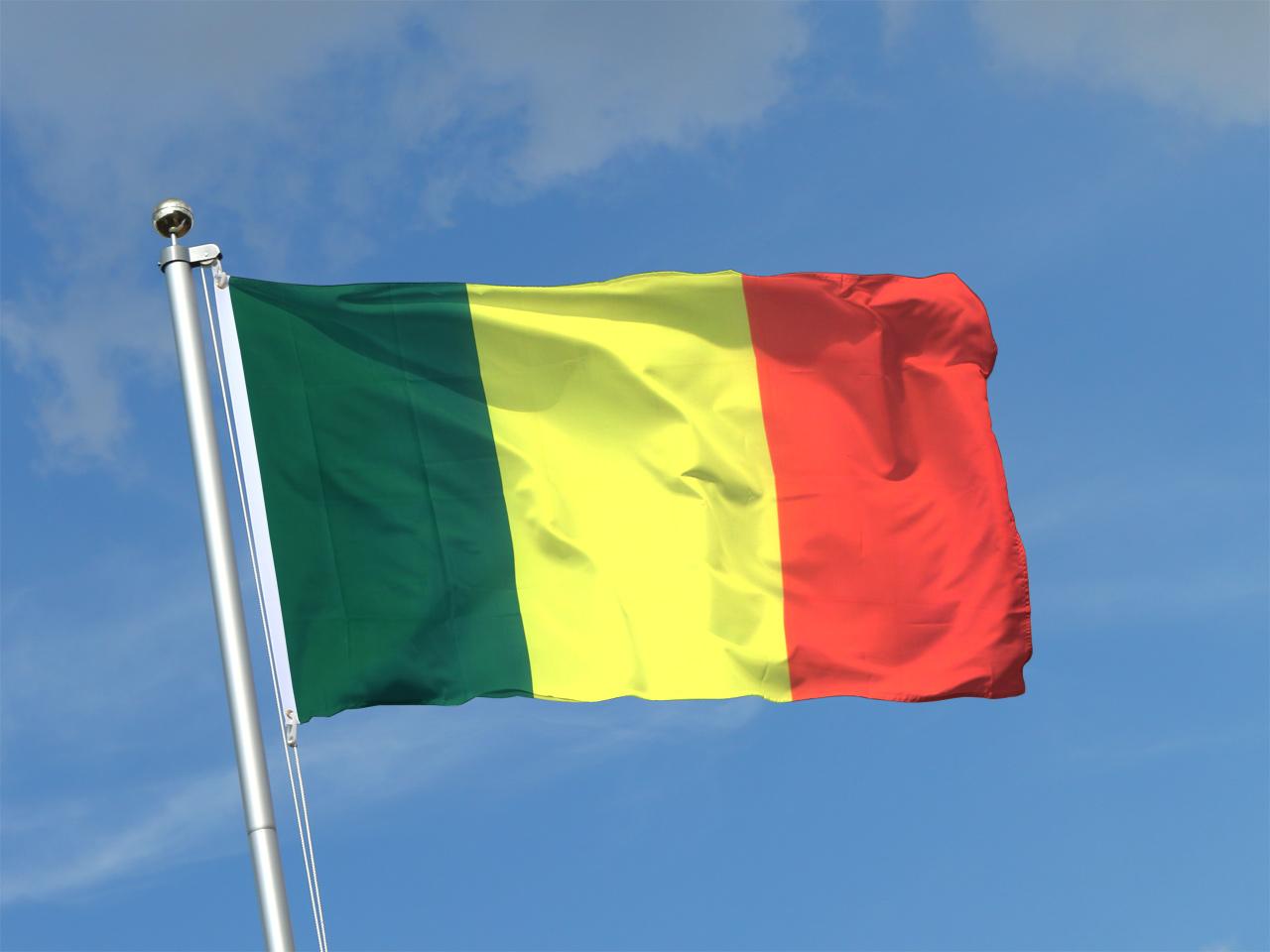
Authorities in Mali have imposed a 72-hour nightly curfew in the capital, Bamako, following a wave of coordinated attacks that struck the city and other regions.
- +Mali imposes nightly curfew as coordinated attacks reach capital
The curfew, announced by Governor Abdoulaye Coulibaly, runs from 21:00 to 06:00 local time and took effect on April 25, 2026, as security forces intensified operations across the capital.
The curfew, announced by Governor Abdoulaye Coulibaly, runs from 21:00 to 06:00 local time and took effect on April 25, 2026, as security forces intensified operations across the capital.
The attacks, claimed to involve both jihadist and separatist groups, mark a significant escalation in the country’s ongoing security crisis.
Officials and analysts say the scale and coordination of the attacks are unprecedented in recent years.
Authorities confirmed that at least 16 people were wounded during the initial assaults.
Reports also suggest that Defence Minister General Sadio Camara may have been killed after his residence in Kati was destroyed, though this remains unconfirmed.
The government has yet to release a verified death toll as security operations continue.
The violence spread across multiple locations, highlighting the scale of the offensive.
In Bamako and nearby Kati, explosions and heavy gunfire were reported near a major military base and the Modibo Keita International Airport.
Fighting also occurred in central and northern regions, including Gao, Mopti, and Sevare.
In Kidal, separatist fighters claimed control of large parts of the area following clashes with government troops.
Reports indicate that Russian Africa Corps fighters were involved, with suggestions of a subsequent withdrawal agreement.
The coordinated nature of the attacks has heightened concerns about security across the country, with residents urged to remain indoors as operations continue.
Mali has faced prolonged instability since a series of political and security crises.
The country is currently governed by a military junta led by General Assimi Goïta, who came to power in 2020.
The latest attacks underscore ongoing security challenges and raise fresh concerns about the government’s ability to stabilise the country.