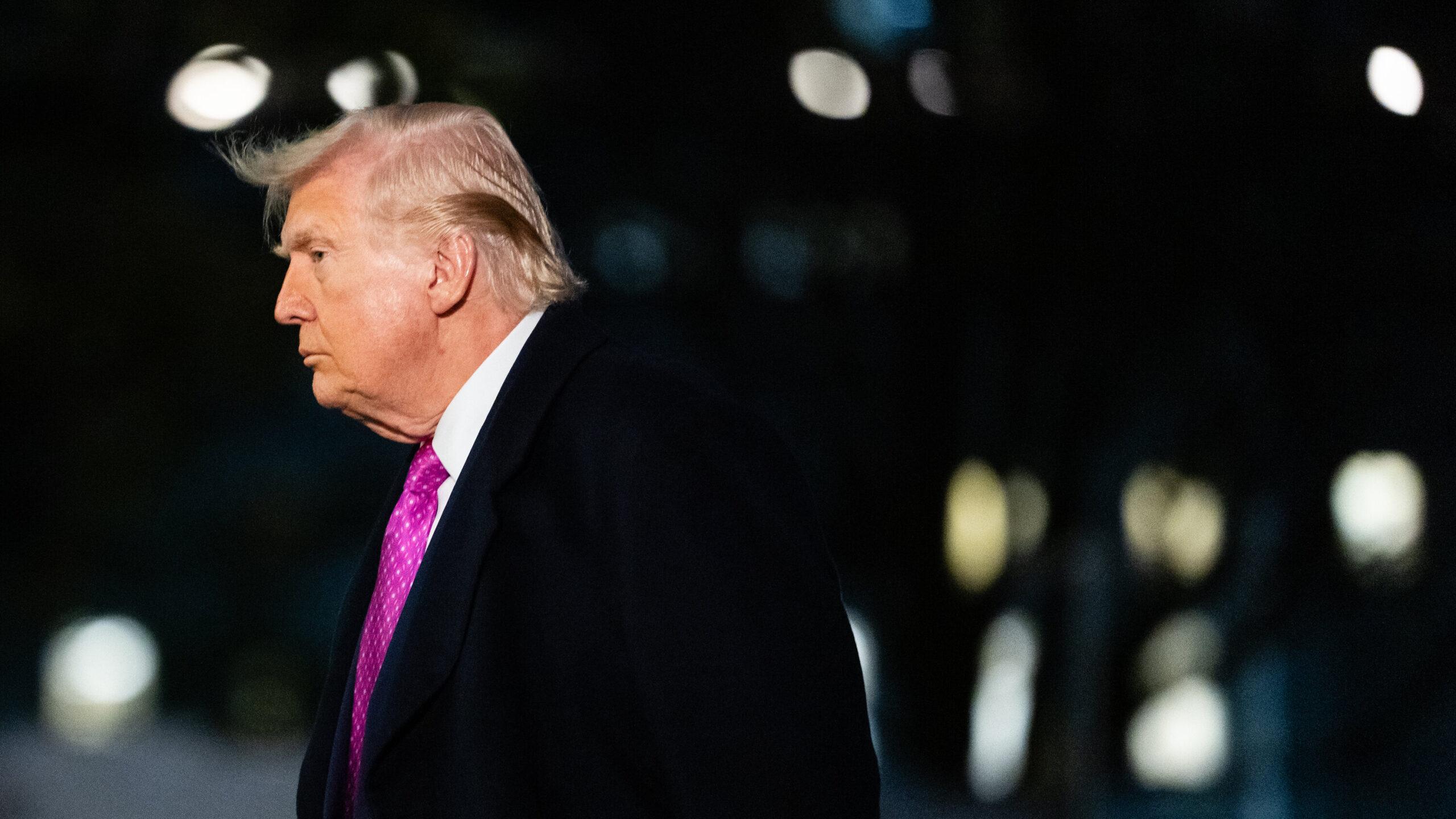
Donald Trump, the United States president has said Washington and Tehran are close to reaching a major agreement that could ease tensions across the Middle East and reopen the Strait of Hormuz after weeks of conflict and economic disruption.
- +Trump says US, Iran close to deal as Hormuz tensions ease
Trump said on Saturday that an agreement had been “largely negotiated”, adding that only final details remained before an announcement could be made, according to BBC reports.
Trump said on Saturday that an agreement had been “largely negotiated”, adding that only final details remained before an announcement could be made, according to BBC reports.
“Final aspects and details of the deal are currently being discussed, and will be announced shortly,” Trump wrote on social media after what he described as a “very good call” with the leaders of Saudi Arabia, the United Arab Emirates and Qatar.
The US president did not disclose the terms of the proposed agreement, but repeated that any deal would “absolutely” prevent Iran from obtaining a nuclear weapon.
The breakthrough comes after months of rising tensions between Washington and Tehran, including military strikes, retaliatory attacks and a standoff over the Strait of Hormuz, one of the world’s most important oil shipping routes.
Esmail Baghaei, Iranian foreign ministry spokesman, confirmed that talks were advancing, although he warned that serious differences remained.
“Our intention is to reach an agreement in the form of a framework, consisting of 14 points,” Baghaei told Iranian state television. He said Iran was finalising a memorandum of understanding that could pave the way for more negotiations within the next 30 to 60 days and eventually lead to a final peace agreement.
Baghaei also cautioned against reading too much into recent diplomatic progress, accusing the United States of sending “contradictory statements” during the negotiations.
The talks follow a ceasefire reached in April after a sharp military escalation between the US, Israel and Iran threatened to destabilise the wider region.
The crisis intensified after the US and Israel launched strikes on Iran in February, prompting Tehran to retaliate against Israel and Gulf states aligned with Washington.
Iran later leveraged its influence over the Strait of Hormuz, a narrow waterway through which roughly one fifth of global oil and gas supplies pass, severely disrupting international shipping and energy markets. Since then, the United States has maintained pressure on Tehran through a naval blockade targeting Iranian ports.
US Central Command said on Saturday that American forces had redirected 100 vessels, disabled four ships and allowed 26 humanitarian aid vessels to pass since operations began in April.
Brad Cooper, Centcom commander said the mission had been “highly effective”. “Our forces have allowed zero trade into and out of Iranian ports, which has squeezed Iran economically,” he said.
Iran, however, has continued to insist that ships moving through the Strait of Hormuz must coordinate with what it calls the Persian Gulf Strait Authority, a demand rejected by Washington and its Gulf allies.
Trump also spoke on Saturday with Israeli prime minister Benjamin Netanyahu, saying the discussion “went very well”, a sign that Israel remains closely involved as negotiations move forward.
Pakistan prime minister Shehbaz Sharif later praised Trump’s diplomatic efforts, describing their latest conversation as “very useful and productive”.
Pakistan has emerged as a key intermediary in the talks between Washington and Tehran. “We hope to host the next round of talks very soon,” Sharif wrote on X.
Despite the renewed momentum, uncertainty still hangs over the negotiations. Just a day earlier, reports in US media suggested the Trump administration had been considering another round of military strikes on Iran if diplomacy failed.
Trump fuelled speculation on Friday when he announced he would remain in Washington during the “important period of time” instead of attending his son Donald Trump Jr’s wedding.
Only last week, the US president had warned that the fragile truce was on “massive life support” after rejecting Iranian demands that he called “totally unacceptable”.
The latest developments have nevertheless raised hopes that both sides may now be searching for a diplomatic exit from one of the most dangerous confrontations in the Middle East in recent years.