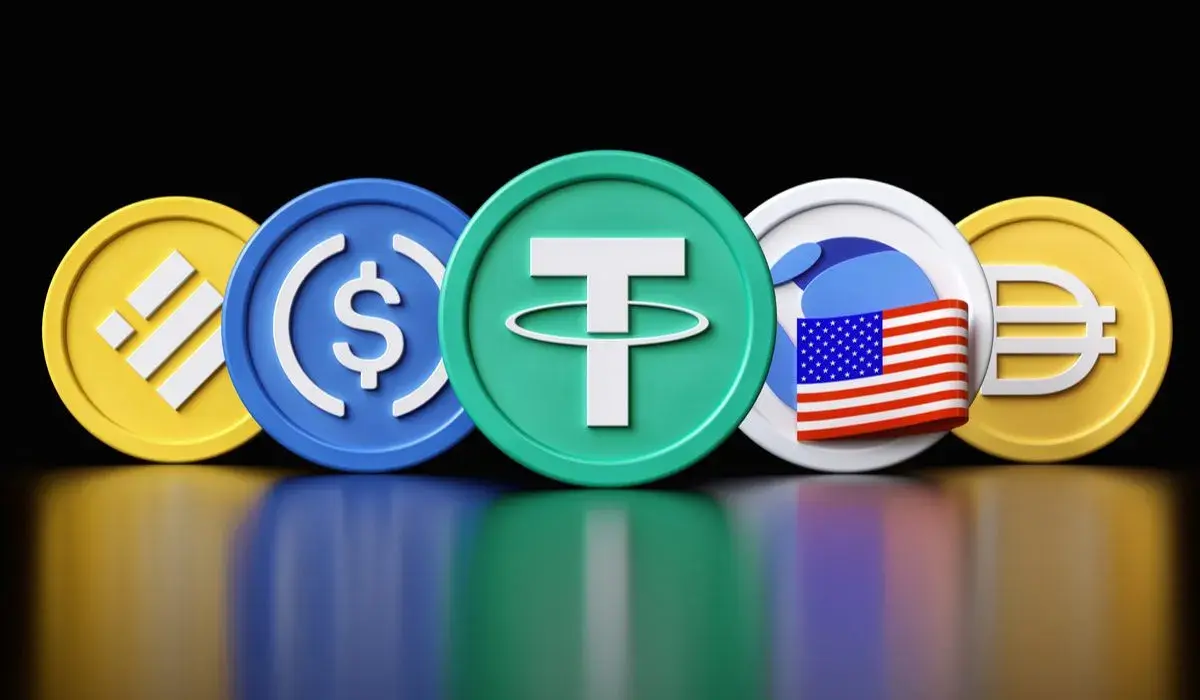
The International Monetary Fund (IMF) has called on Nigeria to bring stablecoins and other crypto-asset activities within its regulatory perimeter.
- +IMF urges Nigeria to regulate stablecoins amid rising crypto stability risks
This forms part of broader recommendations aimed at strengthening financial stability and safeguarding recent macroeconomic gains.
This forms part of broader recommendations aimed at strengthening financial stability and safeguarding recent macroeconomic gains.
This was contained in the IMF’s latest Article IV Consultation report on Nigeria, concluded by the Executive Board on June 1, 2026 and released on Tuesday, June 9, 2026
The Fund’s position comes at a time when Nigeria’s crypto ecosystem continues to expand rapidly, driven by retail adoption, cross-border payments demand, and inflation hedging behaviour, despite evolving regulatory frameworks.
In the report, IMF Directors specifically emphasised the importance of strengthening supervisory frameworks to cover stablecoins and broader crypto-asset activities, signalling growing concern over risks that could spill into the formal financial system.
The call places digital assets alongside other systemic risks flagged by the Fund, including rising non-performing loans, the sovereign-bank nexus, and exposure to volatile portfolio flows.
The IMF also noted that Nigeria’s financial system remains broadly resilient, supported by recent bank recapitalisation efforts, but warned that continued vigilance is required as financial innovation accelerates.
Beyond digital assets, the IMF urged Nigerian authorities to maintain a tight, data-dependent monetary policy stance until inflation is firmly anchored, while supporting the Central Bank of Nigeria’s transition toward an inflation-targeting framework.
The IMF also urged accelerated implementation of Basel III standards, including countercyclical capital buffers and liquidity coverage ratios, as part of efforts to strengthen Nigeria’s banking system resilience.
It warned that rising non-performing loans and deepening links between banks and sovereign exposure require closer supervisory attention.
It further called for improvements in macroeconomic statistics to enhance policy formulation, while urging the integration of climate considerations into economic planning.
As part of the moves to regulate crypto in Nigeria, Nigeria’s Securities and Exchange Commission (SEC) in August 2024 granted an Approval-in-Principle to two crypto exchanges, Quidax and Busha, giving them the status of legally recognised crypto trading platforms in the country.
The two exchanges were approved under the Accelerated Regulatory Incubation Program (ARIP) of the Commission.
At the time, the SEC had noted that the approved firms were not the only entities that had applied to ARIP and the RI Program.
It added that other applications received were being assessed and would be granted Approval-in-Principle on a case-by-case basis as they meet all its requirements.
However, almost two years later, the SEC has yet to grant approval to another exchange despite the queue of several exchanges that have applied to the regulator.