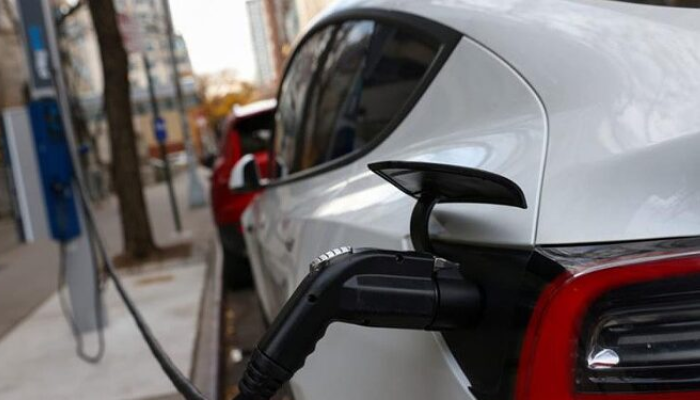
Electric vehicle manufacturers advocate investment in charging infrastructure, local production to boost adoption
Stakeholders in Nigeria’s electric vehicle industry have called for increased investment in charging infrastructure, local manufacturing and supportive policies to accelerate the adoption of electric mobility across the country.
Stakeholders in Nigeria’s electric vehicle industry have called for increased investment in charging infrastructure, local manufacturing and supportive policies to accelerate the adoption of electric mobility across the country.
The call was made during the inaugural elective congress of the Electric Vehicles Manufacturers Association of Nigeria (EVAMAN), where industry players and government representatives highlighted the economic and industrial opportunities within the country’s emerging electric vehicle sector.
Speaking at the event, on Thursday in Abuja, Prince Mona Mustapha, President of EVAMAN, said Nigeria has enormous potential to become a major player in Africa’s electric mobility revolution due to its large market, skilled workforce and growing technological capacity.
According to him, the association was established two years ago with the vision of ensuring that Nigeria is not left behind in the global transition to cleaner and more sustainable transportation systems.
Mustapha called on the Federal Government to support the growth of the electric vehicle industry through strategic investment in charging infrastructure and the establishment of a dedicated intervention fund to drive large-scale adoption and expansion of the sector across the country.
He noted that since the inauguration of the caretaker committee, the association had achieved significant milestones, including registration with the Corporate Affairs Commission (CAC), engagement with relevant government agencies and expansion of membership across the electric vehicle value chain.
He said the association had also focused on promoting conversations around local manufacturing, technology transfer, charging infrastructure development, battery recycling systems and policy incentives needed to encourage investment and innovation in the sector.
“We brought together manufacturers, assemblers, technology innovators, charging infrastructure providers, renewable energy experts, researchers and investors under one platform. Today, the association has grown into a respected body representing different interests within Nigeria’s electric vehicle ecosystem,” he said.
Mustapha added that despite challenges such as financial limitations, infrastructure gaps and policy uncertainties, the association remained committed to driving growth in the industry through collaboration and strategic partnerships.
He urged the incoming leadership of the association to build on the existing foundation by prioritising policy advocacy, investment mobilisation, infrastructure development, technical training and public awareness.
Also speaking at the event, Kingsley Tochukwu Udeh, Minister of Innovation, Science and Technology, represented by Ibiam Oguejiofo, the National Coordinator and Chief Executive of the Strategy Implementation Task Office for Presidential Executive Order No. 5, reaffirmed the Federal Government’s commitment to supporting the growth of Nigeria’s electric vehicle industry.
He said the government was working to strengthen local content policies through Executive Order No. 5, which prioritises Nigerian expertise, indigenous companies and local materials in science, engineering and technology-related projects.
According to him, the transition to electric mobility presents both environmental and economic opportunities for Nigeria, particularly in reducing fuel dependence, improving energy efficiency and creating jobs.
“The EV value chain has the potential to generate substantial employment opportunities across mining, battery processing, manufacturing, assembly, charging infrastructure deployment, maintenance services, software systems, logistics management and recycling,” he said.
The minister added that Nigeria must position itself not only as a consumer market but also as a producer of electric vehicle technologies and clean mobility solutions for Africa and the global market.
He encouraged EVAMAN to develop a strong local content charter that would promote the use of Nigerian labour, locally sourced materials, indigenous technologies and domestic supply chains across the electric vehicle value chain.
Also speaking at the event, Princess Zahrah Mustapha Audu, Director-General of the Presidential Enabling Business Environment Council (PEBEC), said the Federal Government’s Renewed Hope Agenda recognised the future of transportation as one driven by cleaner, smarter and more sustainable systems.
According to her, Nigeria must strategically position itself to benefit from opportunities within the electric mobility value chain through industrial growth, energy efficiency, environmental sustainability and improved quality of life for citizens.
She encouraged the association to work closely with government institutions, regulators, investors, development partners and other industry stakeholders to build an inclusive and sustainable ecosystem.
Audu also emphasised the need to prioritise local content development, technical capacity building, research and innovation to position Nigeria as a leader in Africa’s electric mobility transition.
She noted that the Presidential Enabling Business Environment Council viewed innovation-driven sectors such as electric mobility as critical to the future of Nigeria’s business environment and economic competitiveness.
“For Nigeria, the electric vehicle sector presents a major opportunity not only for mobility diversification but also for local manufacturing, renewable energy integration, infrastructure development, digital innovation and youth empowerment.
“Our mandate remains focused on improving the business environment by removing regulatory and operational bottlenecks, promoting investor confidence and enabling businesses to thrive,” she said.