Safety remains one of the most important factors people consider when choosing where to live, work, study or invest. Across Africa, security conditions differ significantly, with some countries facing challenges such as political instability, armed conflict and crime, while others have maintained relative peace and stability for years.
- +Top 10 safest countries to live in Africa in 2026
The latest Global Peace Index (GPI) highlights the continent’s safest countries based on factors including levels of conflict, public safety, political stability and militarisation.
The latest Global Peace Index (GPI) highlights the continent’s safest countries based on factors including levels of conflict, public safety, political stability and militarisation. While no country is entirely free from security concerns, several African nations continue to stand out for their peaceful environments and strong institutions.
Their stability has helped improve quality of life, attract tourists, encourage business activity and draw foreign investment. Peaceful societies often create better conditions for economic growth, job creation and community development.
As parts of Africa continue to navigate security challenges, these countries demonstrate that peace and development can go hand in hand, creating opportunities for residents and serving as models of stability across the continent.
Here are the 10 safest countries in Africa in 2026, according to the latest Global Peace Index rankings.
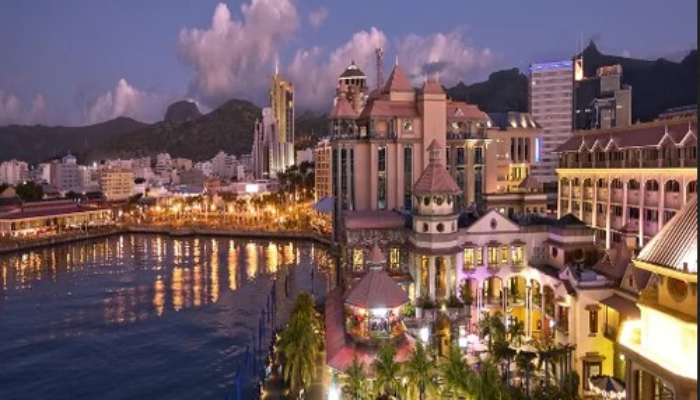
Mauritius takes the top spot as Africa’s safest country and remains one of the highest-ranked nations globally for peace.
The island nation has built a reputation for political stability, public safety and effective governance. Its economy, driven by tourism, financial services and manufacturing, has benefited from a relatively predictable environment that appeals to both investors and visitors.
For many travellers, Mauritius is known for its beaches and resorts. For residents, however, its appeal goes beyond tourism. The country’s institutions, infrastructure and social stability have helped make it one of the most secure places to live on the continent.
Botswana has long been viewed as one of Africa’s success stories when it comes to governance and stability.
Since gaining independence, the country has largely avoided the political upheavals that have affected several nations across the continent. Its democratic tradition and steady institutions have helped create an environment where citizens enjoy a strong sense of security.
Botswana is also home to some of Africa’s most recognised wildlife destinations, including the Okavango Delta. The country’s focus on conservation and tourism has further strengthened its international reputation.
Sierra Leone’s position on the list reflects the progress it has made since emerging from a devastating civil war more than two decades ago.
The country has worked to strengthen democratic institutions and improve security, resulting in a more stable environment than many observers might expect. While challenges remain, particularly in urban areas where crime and protests occasionally occur, the country’s peace ranking has improved over time.
Its inclusion highlights how sustained recovery efforts can contribute to greater stability and public confidence.
Ghana continues to stand out as one of West Africa’s most stable democracies.
The country has become known for peaceful elections and orderly transfers of power, factors that have helped reinforce public trust in its political system. This stability has played an important role in attracting investment and supporting tourism.
From the historic sites of Cape Coast to the busy streets of Accra, Ghana remains a destination that draws visitors from around the world while maintaining its reputation as one of the region’s safer countries.
Senegal has earned recognition as one of West Africa’s more stable nations, supported by a political system that has remained relatively steady for decades.
Its capital, Dakar, serves as a major centre for business, culture and diplomacy in the region. The country’s music, art and historical attractions continue to attract international visitors.
Although security concerns occasionally arise in some border regions, Senegal remains one of Africa’s strongest performers when it comes to peace and stability.
Known for its unique wildlife and landscapes found nowhere else on Earth, Madagascar occupies a distinctive place on the list.
The island nation has faced periods of political uncertainty over the years, yet it continues to rank among Africa’s safer countries. Its peace score reflects a security environment that remains comparatively stable despite ongoing economic and infrastructure challenges.
Tourism continues to play an important role in the country’s economy, supported by its natural attractions and biodiversity.
Namibia’s vast landscapes and relatively small population have helped shape its reputation as one of Africa’s safer destinations.
The country combines political stability with a tourism sector built around wildlife, deserts and outdoor experiences. Visitors are drawn to attractions such as the Namib Desert and Etosha National Park, while residents benefit from a generally stable social environment.
Its consistent performance in global peace rankings has helped reinforce its standing on the continent.
Despite being Africa’s smallest mainland country, The Gambia continues to perform well on measures of peace and security.
Located along the Atlantic coast, the country has become a popular destination for tourists seeking beaches, wildlife and cultural experiences. In recent years, political reforms and efforts to strengthen democratic institutions have contributed to a more stable national environment.
While caution is still advised in certain border areas, The Gambia remains among the safest countries in West Africa.
Zambia’s reputation for stability has helped position it as one of southern Africa’s safer countries.
The country is perhaps best known internationally for Victoria Falls, one of the world’s most famous natural attractions. However, its peace ranking is also linked to a history of relative political stability and the absence of major internal conflict.
This environment has supported tourism, business activity and conservation efforts across the country.
Liberia rounds out the top 10 after recording gradual improvements in peace and stability over recent years.
The country has spent years rebuilding institutions and restoring public confidence following the civil wars that shaped much of its recent history. Although concerns about crime and occasional unrest remain, Liberia has made progress in strengthening governance and improving security conditions.
Its presence on the list reflects how countries can move forward through sustained efforts to maintain peace and stability.