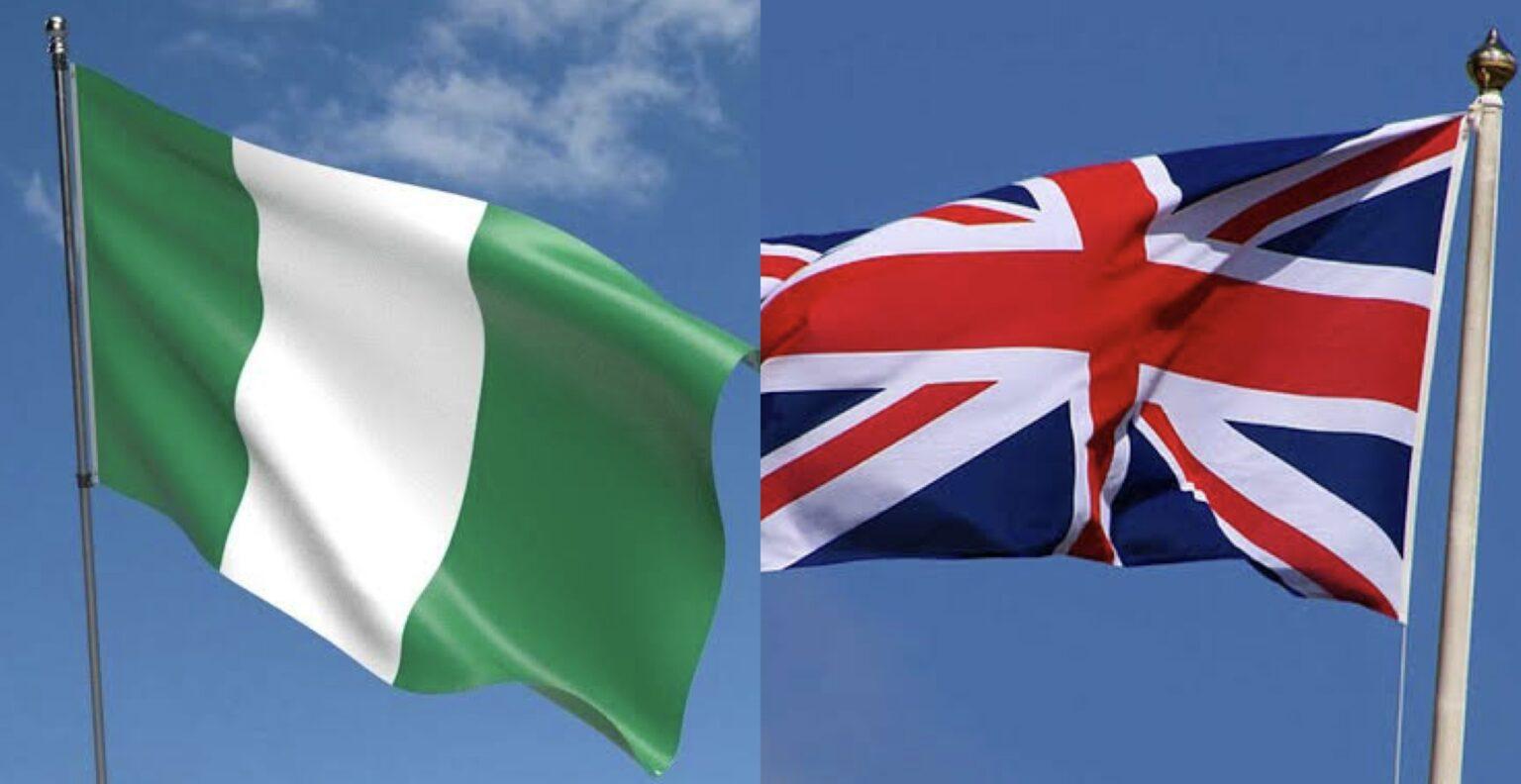
The United Kingdom has unveiled a new £15 million Growth Programme for Nigeria aimed at accelerating economic transformation, attracting private investment, and supporting reform-driven growth across the country.
- +UK launches £15 million Nigeria growth programme
According to a statement released by the British High Commission Abuja, on Friday, the programme was launched during a two-day visit to Nigeria by the UK Minister for Africa and International Development, Baroness Jenny Chapman.
According to a statement released by the British High Commission Abuja, on Friday, the programme was launched during a two-day visit to Nigeria by the UK Minister for Africa and International Development, Baroness Jenny Chapman.
The new programme was one of the major outcomes of Chapman’s meeting with Nigeria’s Minister of Finance and Coordinating Minister of the Economy, Taiwo Oyedele.
According to the UK government, the three-year initiative is designed to help Nigeria transition from macroeconomic stabilisation to sustained economic growth driven by reforms and investment.
Speaking during the visit, Oyedele described the UK–Nigeria relationship as one of the most important bilateral partnerships for both countries.
He added that the Growth Programme would support capital market development, technology investment, small businesses, and technical assistance.
Alongside the Growth Programme, both countries also agreed to deepen collaboration in Nigeria’s digital economy through the SPRIRET initiative under the UK’s Digital Access Programme.
The initiative is expected to support digital governance reforms across five Nigerian states, reduce regulatory barriers, and encourage investment in broadband infrastructure, digital services, and emerging technologies.
During the visit, Chapman also met with Nigeria’s Minister of Industry, Trade and Investment, Jumoke Oduwole, where discussions focused on the Enhanced Trade and Investment Partnership (ETIP), export opportunities under the Developing Countries Trading Scheme, fintech collaboration, and stronger capital market links.
In Kaduna, Chapman met with Governor Uba Sani to review more than two decades of partnership between the UK and Kaduna State and discuss areas for deeper collaboration.
She also engaged with members of the business community and institutional investors on investment mobilisation and climate finance opportunities.
The UK minister visited community animal health workers and livestock breeders to assess UK-backed support programmes focused on breeding techniques, livestock vaccines, and animal health services.
Speaking at the end of the visit, Chapman said the engagements reinforced her confidence in the UK–Nigeria partnership.
The UK government noted that the latest announcement builds on existing economic engagement in Nigeria, including nearly $800 million invested by British International Investment across agriculture, renewable energy, and manufacturing.
It also disclosed that UK Export Finance is supporting the rehabilitation and expansion of Lagos ports through an approximately $1 billion financing package involving contracts for British Steel.
According to the statement, seven Nigerian banks now operate in the UK, while London continues to play a growing role in helping Nigerian firms access international capital markets, including fintech companies such as LemFi and Moniepoint.
Earlier in April, the United Kingdom said it was targeting £9 billion in fresh capital inflows into African frontier markets, including Nigeria, as part of a new five-year investment strategy led by British International Investment (BII).
Under the strategy, BII will contribute nearly £5 billion, while the remaining funds are expected to be raised from private investors across Africa and globally.
The UK said the initiative is designed to attract investments into sectors and markets where funding remains limited.