6 planes cost me $2m to insure, same amount to insure 25 in Europe – United Nigeria Airlines CEO
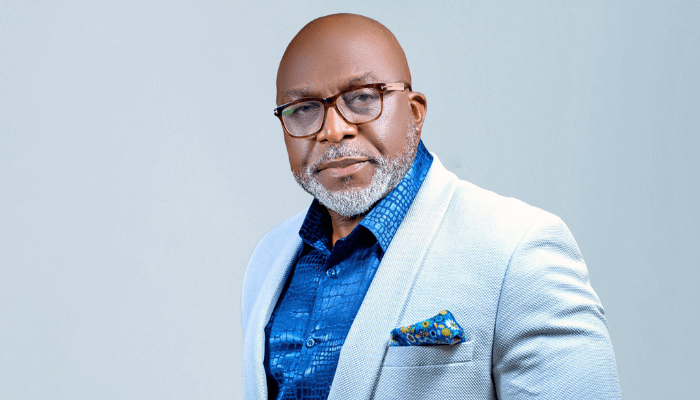
Addis Ababa|| Obiora Okonkwo, Chairman of United Nigeria Airlines, has revealed that he is paying a huge sum of $2 million to insure just six Boeing 737-800 aircraft.
Addis Ababa|| Obiora Okonkwo, Chairman of United Nigeria Airlines, has revealed that he is paying a huge sum of $2 million to insure just six Boeing 737-800 aircraft. In comparison, he noted that the same amount would cover a fleet of 25 aircraft in Europe.
Lamenting the high insurance rates facing Nigerian carriers, Okonkwo identified these lopsided costs as a primary “bottleneck” that continues to increase operational expenses across the continent.
Speaking during a high-stakes panel at the IATA Focus Africa Conference in Addis Ababa, Okonkwo emphasised that these hidden costs are a major hurdle to profitability, forcing airlines to pay for “empty air” when incidents beyond their control keep planes on the tarmac.
He also hinted that the current recurring bird strikes is costing the airline huge sums as it has to pay lessors obligations despite the fact that two of his aircraft have been grounded as a result of bird strike.
“From January to April, we have had seven bird strikes. As we speak now, we have two aircraft on ground.”
He called on Original Equipment Manufacturers (OEMs) help us Nigerian airlines with the equipment to fight bird strikes.
“I know you may have done that in other regions, we need that in Nigeria in honesty. We want you to get involved because that will help us. I tell you that 40 to 50 percent of our down time is caused by bird strike. So, you can help us in that area. It’s a special appeal,” Okonkwo said.
Okonkwo pointed out a glaring void in Nigeria’s aviation ecosystem: the total absence of a domestic MRO (Maintenance, Repair, and Overhaul) facility capable of handling C-checks for Embraer, Boeing, or Airbus fleets.
Okonkwo shared that he recently acquired six Boeing 737-800s, but the path to getting them into Nigerian airspace was paved with “empty” expenses. These aircraft, he said had to be flown to thee U.S. just for painting and routine checks.
“At the high cost of fuel today, can you imagine that much?” he asked the panel, noting that these ferry flights represent hours of “flying for free” before a single passenger even boards in Nigeria.
“The OEMs are cashing billions of dollars, but the operators are left with $1.30 per seat. Everything about this policy and growth is skewed against us. We are the last to be considered, and we are not breathing. We need to breathe.”
He highlighted the “total blockade” Nigeria faced in aircraft leasing for 15 years due to past industry failings.
While those doors are finally reopening, he warned that the current terms remain suffocating. Many lessors still demand “layers upon layers” of protection, often making a Wet Lease more economically viable than a Dry Lease, despite the long-term disadvantages.
He drew a sharp comparison between the success of Ethiopian Airlines (160 aircraft over 80 years) and the American giant Southwest Airlines, which reached 1,000 aircraft in 70 years.
“Like Southwest, we have the same history,” he noted, suggesting that United Nigeria could one day see similar scale—but only if the “lopsided” rules are corrected.
To reach that future, Okonkwo called for a revolution in how African aviation is financed. He urged for a shift away from the rigid “sovereign guarantee” requirements of global EXIM banks, which often exclude private carriers.
“We need to stand up for our rights,” Okonkwo concluded. “It must be a win-win. We deserve better consideration, because without the operators selling tickets, the entire ecosystem fails.”